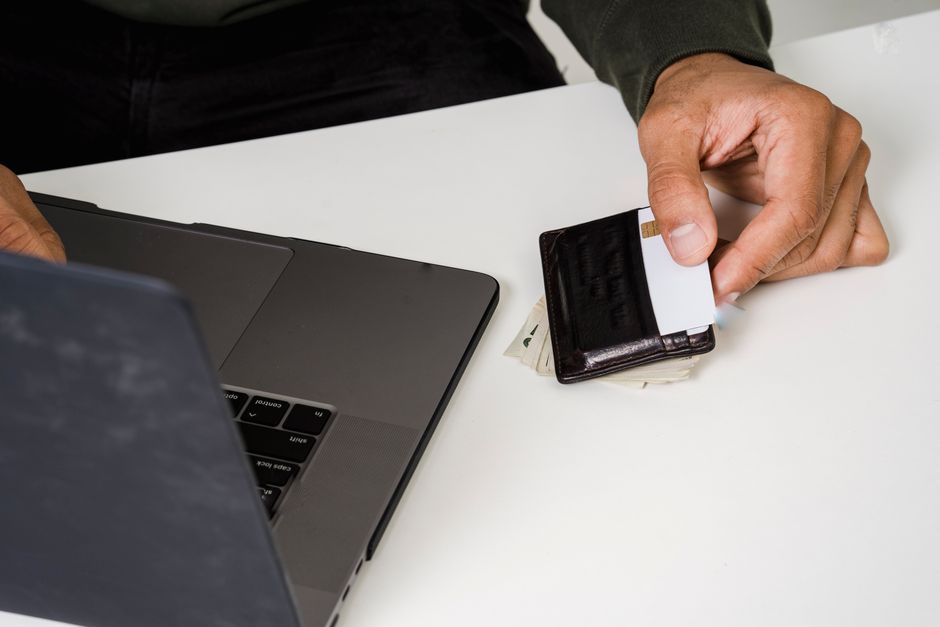
You sit down and feel it. A lump of leather, receipts, and loyalty cards digging into your hip. The average bifold wallet holds 12 to 15 items. Most people carry 8. That extra space turns into bulk — and that bulk messes with your posture, your pocket fit, and your daily comfort.
Everyday carry (EDC) wallets solve one thing: they force you to carry less. But not all slim wallets are built the same. Some fall apart in 6 months. Some scratch your cards. Some can’t hold cash without folding it into origami.
Here are the four wallet types that actually work for daily carry, with exact models, prices, and the tradeoffs you need to know.
Front Pocket Wallets: The Most Practical EDC Choice
If you sit for work, drive often, or just hate the back-pocket lump, a front pocket wallet is the fix. These wallets sit flat against your thigh. No pressure on your sciatic nerve. No bulge visible through suit pants or chinos.
The Bellroy Card Sleeve ($79) is the benchmark here. It holds 4 to 8 cards plus folded cash in a profile that’s 8mm thick. The leather is premium — 0.8mm thick, vegetable-tanned, and it ages well without stretching out. Bellroy uses a pull-tab in the quick-access slot so your most-used card slides out without digging.
The tradeoff: front pocket wallets usually lack coin storage. If you handle cash or coins daily, you’ll need a separate coin pouch or a different design.
For a cheaper option, the Flowfold Minimalist ($35) uses recycled sailcloth. It’s 60% lighter than leather and completely RFID-blocking. I’ve used one for 18 months. The stitching holds, the material doesn’t stretch, and it’s machine washable. Downside: the fabric feels cheap compared to leather.
Verdict: For anyone who carries 4-6 cards and sits at a desk, the Bellroy Card Sleeve is the best balance of slimness and durability. Spend the $79.
Rigid Metal Wallets: Durable but Not for Everyone
Metal wallets like the Ridge Wallet ($95) have a cult following. They’re CNC-machined from aluminum or titanium, hold 1-12 cards with a money clip or elastic band, and never wear out. The Ridge comes with a lifetime warranty. Drop it off a mountain. Run it over with a car. It still works.
The problem is comfort. A metal wallet in your front pocket presses against your leg. In summer shorts, it’s noticeable. In tailored trousers, it creates a hard rectangle that ruins the drape of the fabric. The Ridge also scratches cards over time if you slide them in and out against the aluminum edges.
Some people love the weight and the security. Others switch back to leather within a month.
Verdict: Get the Ridge if you need absolute durability and carry 3-5 cards daily in casual pants. Skip it if you wear suits, dress pants, or have any concern about pocket feel.
| Wallet | Material | Card Capacity | Price | Best For |
|---|---|---|---|---|
| Ridge Wallet | Aluminum/Titanium | 1-12 cards | $95 | Outdoor use, durability |
| Bellroy Card Sleeve | Leather | 4-8 cards | $79 | Daily office carry |
| Secrid Slimwallet | Leather + aluminum | 4-6 cards | $69 | Quick card access |
| Trayvax Element | Stainless steel + paracord | 5-10 cards | $60 | Rugged minimalism |
Cardholder Wallets with Pop-Up Mechanisms: The Speed Advantage
The Secrid Slimwallet ($69) uses a small aluminum card case inside a leather sleeve. Push a button on the bottom, and your cards fan out like a deck. You grab the one you need in under a second. No fumbling. No dropping everything on the ground.
This matters at a subway turnstile, a checkout line, or a bar. The mechanism is tested for 50,000 cycles — that’s about 5 years of daily use. The leather sleeve wraps the metal core, so it still looks like a wallet, not a gadget.
The downside: capacity is fixed at 4-6 cards. The pop-up slot holds exactly 4 cards. Two more fit in the leather pockets. If you carry more than 6, this isn’t for you.
Also, the mechanism adds thickness. The Secrid is 12mm thick — 50% thicker than the Bellroy Card Sleeve. In skinny jeans, that’s noticeable.
Verdict: Perfect for commuters and anyone who uses their wallet 10+ times per day. The speed is real. Just know the thickness tradeoff.
Money Clip Wallets: When Cash Still Matters
Not everyone lives in a card-only world. If you use cash regularly — tips, farmers markets, small businesses — a money clip wallet keeps bills accessible without a separate fold.
The Trayvax Element ($60) combines a stainless steel frame with a paracord money strap. It holds 5-10 cards and a wad of cash wrapped in the strap. The frame is 2mm thick. It barely registers in your pocket.
The Element uses a bottle opener built into the frame. That sounds gimmicky until you need one. The paracord can be unbraided for emergency cordage. These are real EDC features, not marketing fluff.
But the steel frame is hard. It doesn’t flex. If you sit with it in your front pocket, you feel it. The paracord strap also loosens over time and needs re-tensioning every few months.
For a leather option, the Bellroy Note Sleeve ($89) holds 4-11 cards plus a money clip for cash. It’s 10mm thick and uses the same premium leather as the Card Sleeve. The clip holds bills securely — even a single $20 won’t slide out.
Verdict: Cash carriers should pick either the Trayvax Element for rugged minimalism or the Bellroy Note Sleeve for a polished everyday look.
What to Avoid When Buying an EDC Wallet
Three common mistakes kill the EDC wallet experience.
Buying too small. A wallet that holds exactly your current cards leaves zero room for a new ID, a transit card, or a spare bill. You will eventually need to carry one extra item. Get a wallet with 1-2 slots of buffer capacity.
Ignoring RFID blocking. Most modern wallets include RFID shielding. But some cheap leather wallets don’t. If you live in a city with high pickpocket risk or carry contactless cards, spend the extra $10 for a wallet with built-in RFID protection. The Secrid and Ridge both have it. The Flowfold does too.
Prioritizing thinness over function. A wallet that’s 4mm thick is great until you can’t get your cards out without prying. The thinnest wallets often have no structure — cards slide around, cash falls out. Look for a wallet that balances thickness with usability. 8-10mm is the sweet spot for most people.
One more thing: avoid genuine leather at the $30-50 price point. It’s usually bonded leather that peels within a year. Full-grain or top-grain only. Or go with nylon, sailcloth, or metal for guaranteed longevity.
The best EDC wallet is the one you don’t think about. It sits flat. It holds what you need. It gets out of your way. Pick the type that matches your daily carry, and you’ll never go back to the hip lump.