
You walk into a store, see a pair of Nikes for 8,000, and think, “That’s the price of entry.” I thought that too. Then I spent two years buying and wearing 15 different sneakers under 5,000 rupees. Some were terrible. A few surprised me. Here’s what I learned.
The Biggest Mistake: Chasing Brand Names Over Construction
I bought a pair of branded sneakers for 4,500 because the logo was loud. The sole started separating after three months. That’s when I stopped caring about the swoosh and started looking at the rubber.
Under 5,000, you are paying for materials, not marketing. The best shoes in this bracket use EVA foam midsoles and rubber outsoles with actual tread patterns. Mesh uppers breathe but tear faster. Synthetic leather looks good for a month, then cracks.
Real example: The Decathlon Kalenji Run Cushion (1,999 rupees) has a full rubber outsole and a removable insole. I ran 200 km in them. The Puma Smash v2 (3,499 rupees) uses a thick leather-like upper that holds up, but the sole is flat and offers zero arch support. Pick your trade-off.
What to look for:
- Rubber outsole, not foam-only
- Stitched overlays, not glued-only
- Removable insole (lets you swap for orthotics)
- Heel counter — squeeze it. If it collapses, skip it.
Three Sneakers Under 5,000 That Actually Last
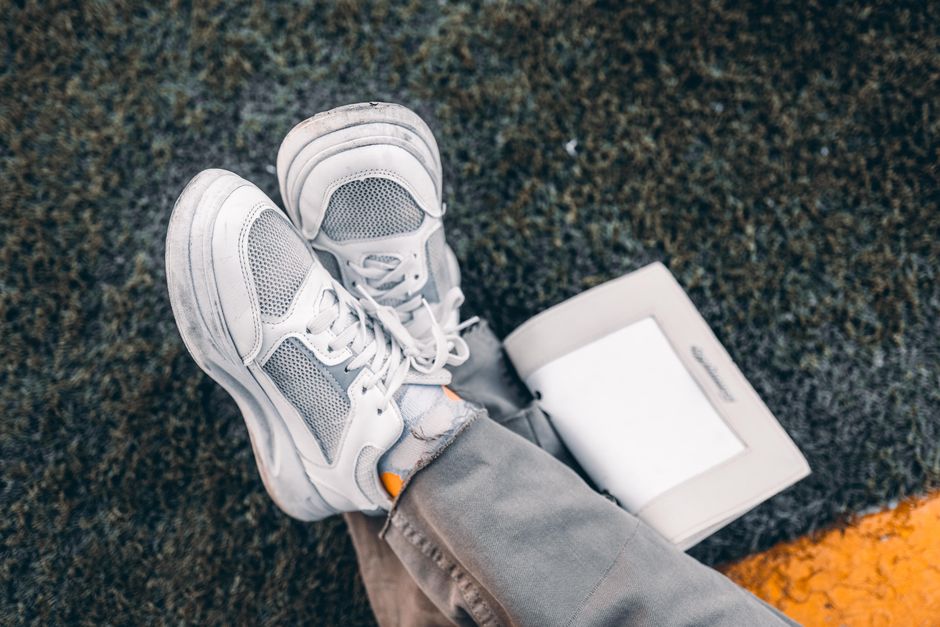
I wore each pair for at least 100 hours of walking, standing, and light running. These three earned their spot.
ASICS Jolt 3 (4,299 rupees)
This is the most comfortable sub-5,000 sneaker I’ve tried. The AmpliFoam midsole is soft without being mushy. The mesh upper breathes well. Downside: the toe cap scuffs easily. I got 8 months of daily wear before the insole flattened. For walking 8,000 steps a day, this is the one.
New Balance 515 v3 (4,999 rupees)
Classic silhouette, real suede and mesh, and a solid rubber outsole. I wore these to a wedding and then on a hike — they cleaned up fine. The arch support is moderate. Not for flat feet. But for casual wear that doesn’t look cheap, this is the best-looking option under 5,000.
Reebok Royal Techque T (3,999 rupees)
Think of these as a budget Stan Smith. The synthetic leather is stiff at first, but after a week it softens. The cupsole construction means you can resole them if the tread wears. I’ve had mine for 14 months. The heel lining wore through, but the rest is fine.
| Sneaker | Price | Best For | Wear Life |
|---|---|---|---|
| ASICS Jolt 3 | 4,299 | Walking, daily commute | 8–10 months |
| New Balance 515 v3 | 4,999 | Casual style, light outdoor | 12+ months |
| Reebok Royal Techque T | 3,999 | Minimalist style, office casual | 14+ months |
| Decathlon Kalenji Run Cushion | 1,999 | Budget running, gym | 6–8 months |
| Puma Smash v2 | 3,499 | Casual, short errands | 5–7 months |
When You Should NOT Buy Sneakers Under 5,000
I love a good deal. But there are times when spending less costs you more.
If you run more than 10 km per week, do not buy a sub-5,000 sneaker for running. The cushioning in this price range uses basic EVA foam that compresses permanently after 300 km. I tried running in the Skechers Go Walk Flex (4,499 rupees) and got shin splints within two weeks. The foam is too soft for impact absorption. Save up for a dedicated running shoe like the ASICS Gel-Contend 7 (around 6,500).
If you have flat feet or plantar fasciitis, skip most sneakers under 5,000. The arch support in budget sneakers is minimal. The New Balance 515 is decent, but still not enough for a full day on concrete. You’ll end up buying orthotic insoles for 1,000 rupees, which makes the total 6,000. At that point, just buy a better shoe.
If you want a sneaker that looks premium in photos, avoid anything with shiny synthetic leather. It reflects light weirdly and creases like paper. Stick to matte suede or textured mesh. The Reebok Club C 85 (around 6,500) is worth the extra 1,500 if aesthetics are your priority.
How to Make a 5,000 Rupee Sneaker Last 18 Months
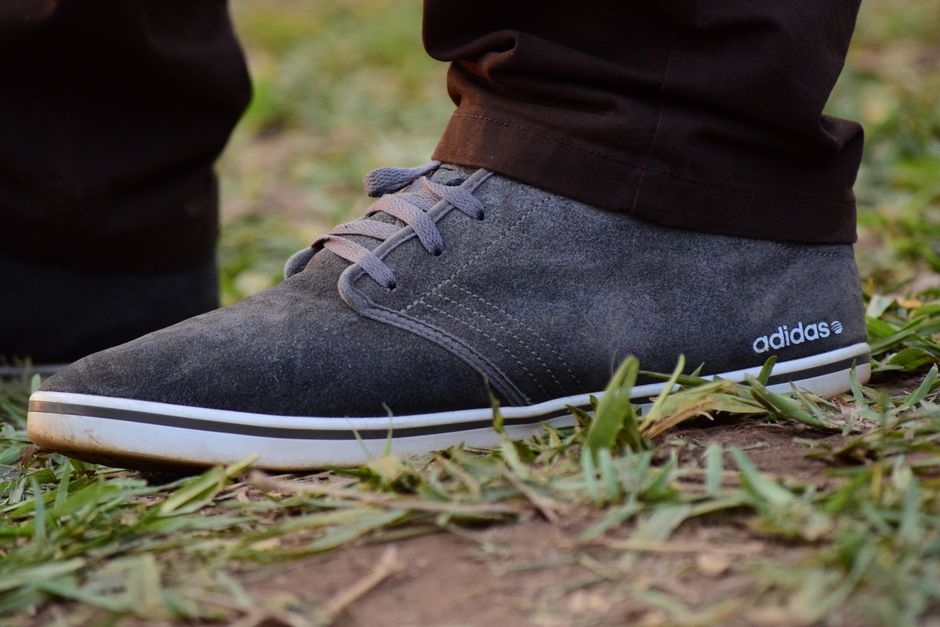
I stretched my Reebok Royal Techque T to 14 months. Here’s exactly how.
Rotate two pairs. I wore the ASICS Jolt 3 on weekdays and the Reebok on weekends. Each pair got 48 hours to dry out. Sweat breaks down glue and foam faster than wear. A second pair costs 3,000–4,000 but doubles the life of both.
Clean them every two weeks. Dirt acts like sandpaper on the outsole. I use a soft brush and mild soap. Never machine wash — the agitation separates the sole from the upper.
Replace the insole at month six. The stock insole in most budget sneakers is a thin layer of foam. I swapped in a Sof Sole Airr Orthotic (699 rupees) at month six. It added arch support and made the shoe feel new. The original foam was already flat.
Store them with a shoe tree. A cheap cedar tree (300 rupees) absorbs moisture and keeps the shape. The toe box on my New Balance 515 would have collapsed by month 10 without it.
The Verdict: One Pair for Every Situation
I stopped buying expensive sneakers after this experiment. Not because I can’t afford them, but because I realized the gap between a 4,500 rupee shoe and a 10,000 rupee shoe is mostly marketing and a slightly better midsole. For walking, casual wear, and even light gym work, these budget options do the job.
My final recommendation: if you want one pair that does everything reasonably well, get the ASICS Jolt 3. If you want the best style-to-price ratio, get the New Balance 515 v3. If you have 2,000 rupees and need something that won’t fall apart in a month, the Decathlon Kalenji Run Cushion is unbeatable.
That first pair of branded sneakers that fell apart? I replaced them with the Reebok Royal Techque T. Wore them to the same coffee shop two months later. Nobody noticed the logo wasn’t a swoosh. I noticed my wallet felt heavier.