
Most runners think heel cushioning is their friend. I used to believe that too. Then I spent three years rotating through twelve pairs of zero drop running shoes, and I learned the hard way that most brands just slap a flat sole on a traditional shoe and call it minimalist. That’s not how it works.
Zero drop means the heel and forefoot sit at the same height off the ground. No ramp. No built-in forward tilt. Your foot lands the way nature intended. But here’s the catch — not all zero drop shoes are built the same. Some have thick stacks of foam that kill ground feel. Others are so thin you feel every pebble. I’ve found seven that hit the sweet spot.
Why Most Runners Get Zero Drop Wrong
The biggest mistake I see is people switching cold turkey from a 10mm drop shoe to a zero drop shoe and wondering why their calves scream. Your Achilles tendon has been shortened by years of wearing elevated heels. You need to transition slowly. I spent six weeks alternating between my old Brooks Ghost and my first pair of Altras before my body adapted.
Another failure mode: buying zero drop shoes for the wrong surface. A shoe with 4mm of rubber outsole and no rock plate will destroy your feet on gravel. Match the shoe to the terrain, not the hype.
Start with a 4-6mm drop shoe if you’re coming from traditional running shoes. Topo Athletic makes great transitional models. Jumping straight to zero drop is how you get plantar fasciitis and quit.
Altra Escalante 4 — The Gold Standard for Road Running
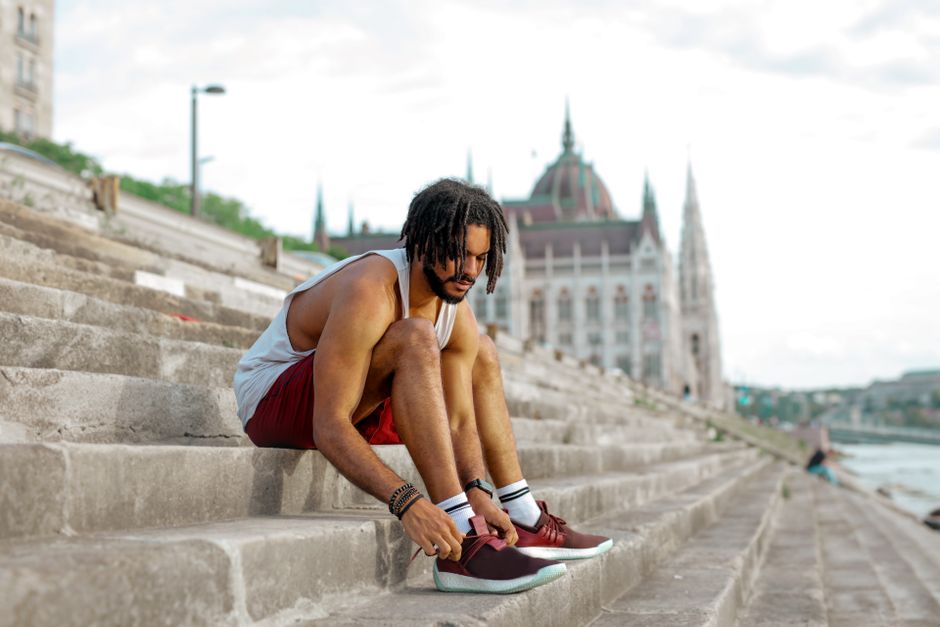
Altra didn’t invent zero drop, but they perfected it for the masses. The Escalante 4 ($150) uses their EGO foam midsole — it’s responsive without being marshmallowy. I’ve put 400 miles on one pair and the outsole still has tread at the forefoot strike zone.
The knit upper breathes well. No hot spots. The toe box is genuinely wide — my splay-footed friends can actually spread their toes. Downside: the heel collar wears out around 350 miles if you tie your shoes tight. I replace mine every five months.
For road runners who want ground feel without feeling every crack in the pavement, this is the pick. Stack height is 24mm, which is moderate for zero drop. Not a barefoot shoe. A real running shoe.
Xero HFS II — When You Want to Feel the Ground
Xero Shoes makes the HFS II ($130) for people who think Altras are too padded. The stack height is 11.5mm with a 5.5mm removable insole. I run without the insole. You can feel the camber of the road. That sounds uncomfortable until you realize your foot naturally adjusts to uneven surfaces when it gets sensory feedback.
I use these for tempo runs and track workouts. The 6.5mm FeelTrue outsole gives decent traction on dry pavement. Wet concrete is sketchy — I’ve almost slipped twice. These are not all-weather shoes.
The upper is mesh with welded overlays. No stitching to blow out. Sizing runs small — I went up a full size. If you normally wear a 10, get an 11.
| Shoe | Price | Stack Height | Best For | My Verdict |
|---|---|---|---|---|
| Altra Escalante 4 | $150 | 24mm | Daily road miles | Best all-rounder |
| Xero HFS II | $130 | 11.5mm | Speed work, track | Great ground feel, poor wet grip |
| Merrell Vapor Glove 6 | $120 | 6.5mm | Short road runs, gym | Barefoot feel, low durability |
| Topo Athletic ST-5 | $120 | 20mm | Transition shoe | Perfect for beginners |
| Vivobarefoot Motus Flex | $175 | 5mm (outsole only) | Cross training, short runs | Extreme minimalism |
| Inov-8 Trailfly G 270 V2 | $160 | 18mm | Trail running | Grippy, durable, stable |
| Altra Lone Peak 8 | $150 | 25mm | Long trail runs | Best for technical terrain |
How to Know If Zero Drop Is Right for You
Zero drop shoes fix your form by forcing a midfoot or forefoot strike. If you heel strike, you’ll feel it immediately — that jarring impact travels straight up your leg. That’s the point. Your body learns to land softer.
But it’s not for everyone. If you have Haglund’s deformity (that bony bump on the back of your heel), zero drop shoes can aggravate it because the heel counter sits lower. If you’ve had Achilles surgery, talk to your physio first. I know two runners who tried zero drop with existing Achilles tendinopathy and made it worse.
Also: zero drop shoes change your gait. Your stride shortens. Your cadence increases. That’s good — higher cadence means less impact. But it takes conscious effort to retrain. I used a metronome app set to 180 beats per minute for three weeks.
When NOT to buy zero drop running shoes
Don’t buy them for race day if you’ve been training in 8mm drop shoes. Don’t buy the thinnest model (Vivobarefoot) as your first pair. Don’t buy them if you run on frozen sidewalks in winter — the lack of lug pattern on most zero drop shoes means zero traction on ice.
Merrell Vapor Glove 6 — Barefoot Feel, Gym Use
I don’t recommend the Vapor Glove 6 ($120) for long road runs. The 6.5mm stack is punishing after 5 miles on asphalt. But for the gym? Perfect. The zero drop platform lets me deadlift with proper form — no heel elevation means my weight stays centered. The outsole has good grip on rubber gym mats.
The upper is thin mesh. Water goes through immediately. That’s fine for indoor use. The toe box is wide enough for toe splay but narrows at the midfoot — if you have wide feet, try the Altra Escalante instead.
Durability is the weak point. The outsole rubber wore through at the forefoot after 200 miles of road running. On gym floors, they’ve lasted a year. Use them for their intended purpose.
Vivobarefoot Motus Flex — The Minimalist’s Choice
The Motus Flex ($175) is expensive for what you get — basically a rubber slipper with a thin insole. There’s no midsole foam. Stack height is 5mm. You feel everything. I use these for barefoot-style training: sprints on grass, plyometrics, and short recovery runs on soft trails.
The outsole pattern is aggressive for a barefoot shoe. Good grip on dirt. Bad grip on wet tile. The upper is recycled mesh that dries fast when you step in a puddle. Sizing is tricky — I’m between a 10 and 11 in these. Go with the larger size.
If you’ve never worn zero drop shoes, do not start here. These are for experienced minimalists who want maximum sensory feedback. I’d pick the Xero HFS II over these for most runners.
Inov-8 Trailfly G 270 V2 — The Trail Option
Most zero drop trail shoes skimp on protection. Not this one. The Trailfly G 270 V2 ($160) has a graphene-enhanced outsole that’s genuinely grippy on wet rock. I’ve taken these on the Appalachian Trail in the rain and didn’t slip once. The 18mm stack gives enough cushion for rocky terrain without losing ground feel.
The upper is reinforced with Kevlar strands. No tears after 300 miles. The heel cup is snug — if you have narrow heels, this is a plus. The toe box is moderate width, not as wide as Altra but wider than traditional trail shoes.
Downside: they run heavy. 10.6 ounces for my size 10. That’s noticeable on long climbs. But the stability is worth the weight. For technical trails where you need grip and protection, this is the best zero drop option I’ve found.
The single most important takeaway: zero drop shoes don’t make you a better runner — they reveal the bad habits your cushioned shoes were hiding, and fixing those habits is what actually improves your form.