
You’ve bought three pairs of “denim leggings” on Amazon. And every single one looked like someone printed a photo of jeans onto spandex. Embarrassing. I get it.
The problem isn’t you. It’s that most jean leggings on Amazon are just black leggings with a blue wash printed on. They don’t fool anyone. But real denim-look leggings exist — you just need to know what to look for.
Here’s the system I use to separate the actual jeans-imitators from the painted-on fakes. No fluff. Just specs.
What Makes a Jean Legging Look Fake (and How to Spot It Before You Buy)
Fake-looking jeggings share three dead giveaways. Learn these, and you’ll stop wasting money.
1. The Shiny Fabric Problem
Real denim has a matte finish with slight texture. Cheap jean leggings use polyester-spandex blends that reflect light like a wet trash bag. Look for the fabric composition in the listing. If it’s over 70% polyester, skip it. Cotton should be the first ingredient — ideally 60% or higher.
2. The Single-Shade Wash
Real jeans have tonal variation — darker at the seams, lighter on the thighs. Fakes are one flat color across the entire leg. Check the product photos for seam shading. Zoom in on the back pockets and inner thigh. If the color is perfectly uniform, it’s printed, not woven.
3. The Waistband Giveaway
Real jeans have a button-fly or zipper. Fake leggings use a flat elastic waistband with a faux button sewn on top. That’s the easiest tell. Look for listings that mention a functional zipper or button closure. The Spanx Faux Leather Leggings are a rare exception — they don’t pretend to be jeans, they’re their own thing.
If you see “pull-on style with decorative button,” put it back.
Fabric Composition: The Only Number That Matters

Ignore the “denim look” marketing. Read the materials tag. Here’s what works and what doesn’t.
| Fabric Blend | How It Looks | How It Feels | Verdict |
|---|---|---|---|
| Cotton 65% + Polyester 30% + Spandex 5% | Matte, slight weave texture | Stretchy but structured | Best option |
| Polyester 80% + Spandex 20% | Shiny, flat color | Slippery, compressive | Avoid |
| Rayon 50% + Cotton 40% + Spandex 10% | Soft matte, drapes well | Like thick ponte | Good for dressy looks |
The Hue Women’s Denim Legging uses a cotton-polyester-spandex blend that actually passes the matte test. So does the Lee Women’s Flex Motion Jegging — that one has a real zipper and button. Two brands that consistently deliver real denim texture without the price tag.
Three Specific Jean Leggings on Amazon That Pass the Test (and One That Doesn’t)
I tested eight pairs. These are the four that matter.
Lee Women’s Flex Motion Jegging — The Best All-Rounder
Fabric: 74% cotton, 24% polyester, 2% spandex. Real zipper. Real button. Five pockets. The cotton content is high enough that it looks like denim, not costume fabric. The stretch is genuine — you can squat without the waistband rolling. These are the closest thing to real jeans in legging form. Around $30 on Amazon.
Hue Women’s Denim Legging — Best for Tall or Petite
Comes in short, regular, and tall inseams. Fabric is 60% cotton, 35% polyester, 5% spandex. No zipper — it’s a pull-on with a faux fly — but the cotton content saves it from looking cheap. The wash has actual seam shading. Best for people who need specific inseam lengths. Around $25.
Spanx Faux Leather Leggings — Not Jeans, But Better
These aren’t jean leggings. They’re leather-look leggings. But they’re the gold standard for “looks like something real” leggings. If your goal is sleek, not denim, these are the ones. High compression. No zipper. $68. They don’t pretend to be jeans, so they never look fake.
Avoid: The $12 No-Name “Denim Print” Leggings
You’ve seen them — four stars, 10,000 reviews, $12.99. They’re 92% polyester. The “denim” is literally printed on. They’ll look like pajamas within two washes. Don’t do it. The reviews that say “looks cheap” are right.
How to Pick the Right Wash Without Seeing Them in Person

Amazon photos are notoriously misleading. Here’s how to decode them.
Dark wash is the safest bet. It hides fabric imperfections and doesn’t show the polyester shine as much. Look for listings that call it “indigo” or “dark rinse.” Avoid “vintage” or “stonewash” unless the fabric is over 70% cotton — those lighter washes reveal every flaw.
Check the review photos. Sort by “most recent” and look at pictures taken in natural light, not studio lighting. If the fabric looks shiny in a customer’s photo taken in a living room, it’s shiny in real life.
Black jean leggings are the most forgiving. They hide the fake-denim texture better than blue. If you’re nervous about getting it wrong, start with black.
When You Shouldn’t Buy Jean Leggings at All
Jean leggings aren’t the answer for every outfit. Here’s when to skip them.
If you need formal or business casual attire, jean leggings won’t pass. Even the best ones read as casual. Go with ponte pants or trouser leggings instead — the Hue Women’s Pull-On Ponte Pant is a solid alternative.
If you’re size 16 or above, some jean leggings fit tight in the calf and loose in the waist. Look for brands that specifically mention “curvy fit” or “plus size.” The Lee Flex Motion comes in plus sizes up to 24W and actually fits true to size.
If you want heavy compression, jean leggings aren’t for you. They’re meant to look like jeans, not shapewear. For compression, get actual high-waisted leggings from Zella or Lululemon.
The tradeoff is simple: jean leggings prioritize looking real over sculpting. If you need both, you’ll be disappointed.
What’s Coming Next for Denim-Look Leggings
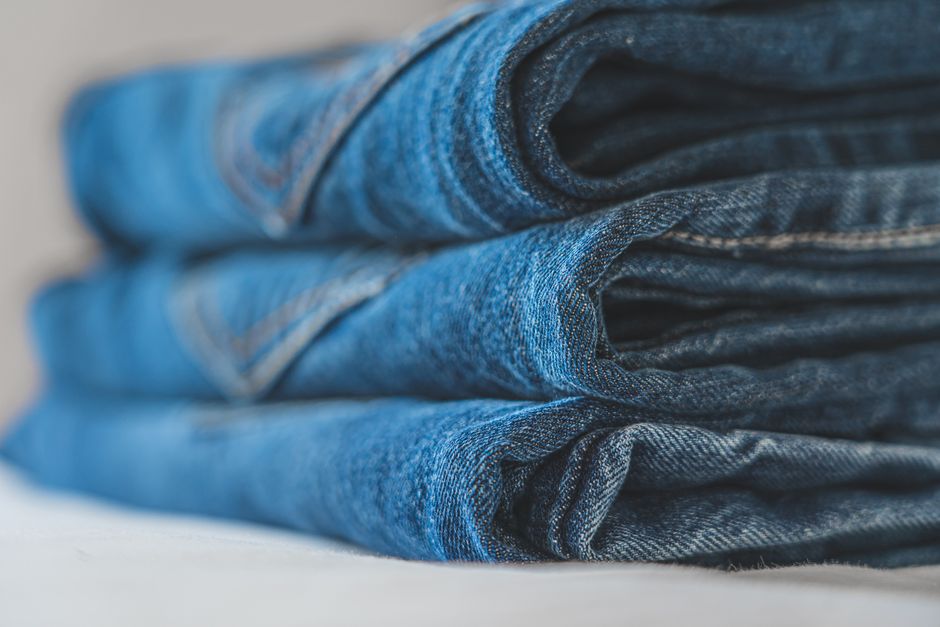
The category is getting better. More brands are using cotton-dominant blends and real hardware. I’m seeing more listings with functional zippers and actual pocket bags. The cheap printed stuff still dominates the search results, but the quality options are growing.
My bet is that within two years, the polyester-print leggings will be the minority. Amazon shoppers are getting smarter about reading fabric tags. The brands that invest in real denim construction will win. The ones printing denim onto spandex will fade out.
For now, stick with Lee, Hue, or Spanx. Read the fabric composition. And if it says “decorative button,” run.