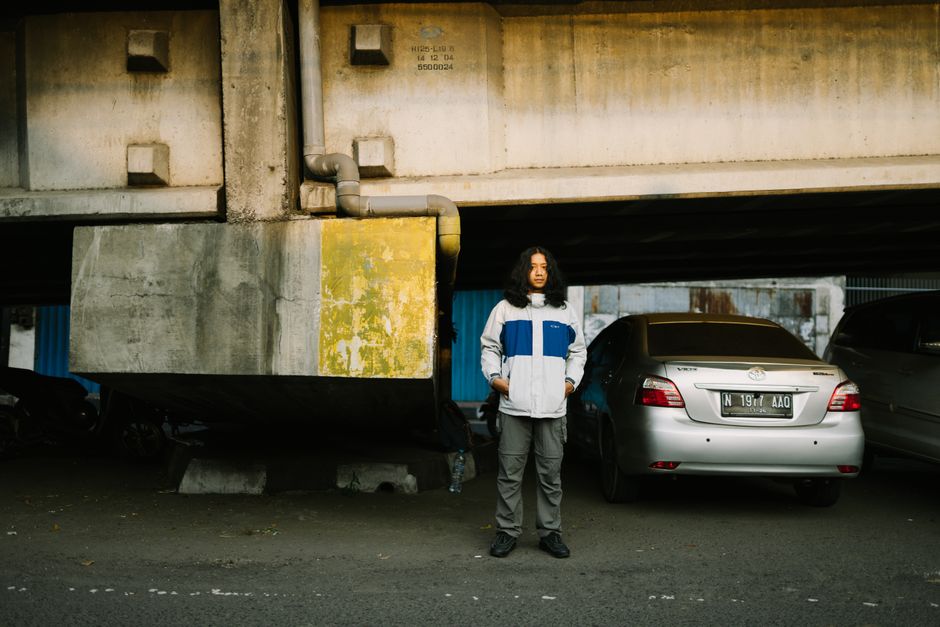
In 2016, a single Kuala Lumpur streetwear brand sold out its first run of 200 T-shirts in under four hours without any paid advertising. That brand was Mucky, and its success signaled something: KL’s streetwear scene had moved past copying Western drops. It had its own voice.
This article breaks down the core players, the price ranges, and the cultural signals that define a streetwear brand from KL. No affiliate links. Just the facts.
Who Are the Main Streetwear Brands in KL?
Kuala Lumpur’s streetwear ecosystem is small but dense. About a dozen brands consistently sell out limited drops. Here are the ones that matter most as of early 2026.
| Brand | Founded | Average Tee Price (MYR) | Signature Style |
|---|---|---|---|
| Mucky | 2015 | 120–160 | Bold graphics, local slang, oversized fits |
| Pigeonhole | 2017 | 100–140 | Minimalist, monochrome, architectural references |
| Brands of the World | 2018 | 90–130 | Satirical logos, deconstructed silhouettes |
| Tuyang | 2019 | 110–150 | Borneo tribal motifs, hand-dyed fabrics |
Mucky remains the most recognizable. Their drop model—announce on Instagram, sell out in hours—creates scarcity. A Mucky hoodie resells for 2x retail on Carousell within a week.
Pigeonhole takes the opposite approach. They keep stock available year-round. No urgency. Their customer is someone who wants a clean, wearable piece without the hype stress.
Brands of the World plays with irony. Their “Luxury Trash” line—a graphic of a crumpled fast-food bag—sold 500 units in one weekend. It’s self-aware streetwear for people who know the game.
Tuyang is the only brand here using traditional Malaysian textile techniques. Their hand-dyed sarong-inspired pants (MYR 220) take 3 weeks to produce per unit. That’s not scalable. It’s intentional.
How Much Does KL Streetwear Actually Cost?
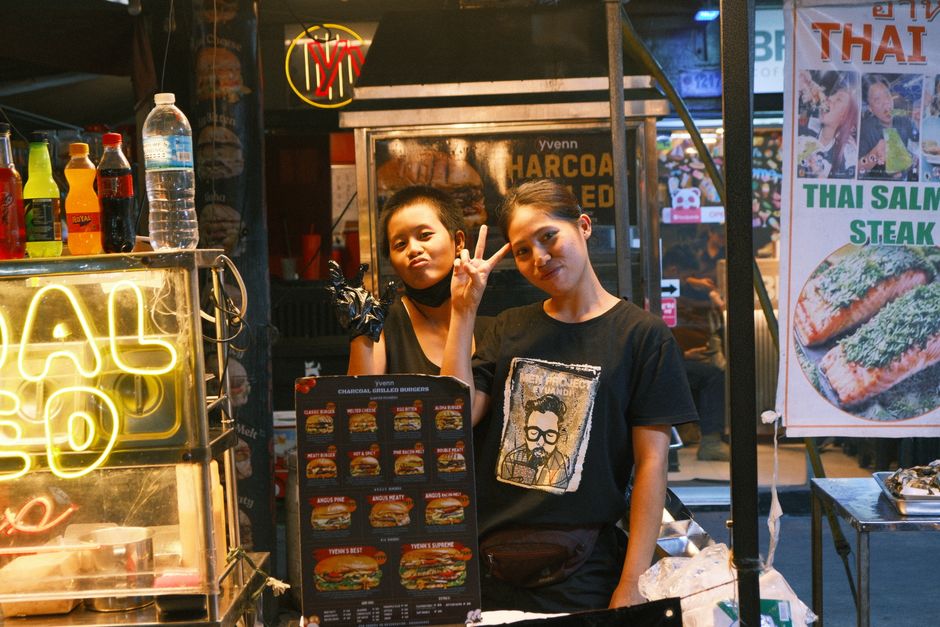
Price is the first filter. If you’re used to buying Supreme or Bape, KL brands look cheap. But compared to local fast fashion (Uniqlo tees at MYR 49), these prices demand justification.
Here’s the real breakdown for a complete outfit from a KL streetwear brand:
- T-shirt: MYR 100–160
- Hoodie: MYR 220–350
- Cargo pants: MYR 180–280
- Bucket hat: MYR 60–90
- Tote bag: MYR 50–80
A full head-to-toe look runs MYR 610–960. That’s roughly USD 130–205. For context, a single Supreme box logo hoodie retails at USD 168 (MYR 780) before shipping and resale markup.
The markup on KL brands isn’t arbitrary. Most produce in small batches—100 to 300 units per design. Screen printing in KL costs MYR 18–25 per shirt for a single-color print. Add the cost of cut-and-sew blanks (MYR 35–50 for a heavy-weight tee), and the brand’s margin is thin. A MYR 140 tee at 300 units yields roughly MYR 25,000 in gross profit per drop. That’s barely enough to cover a single month’s rent for a small studio in Bukit Bintang.
When a brand charges MYR 220 for a hoodie, it’s not greed. It’s the math of small-run production in a city where commercial rent averages MYR 5 per square foot.
What Makes a KL Streetwear Brand Authentic?
This is the question that separates casual buyers from collectors. Authenticity in KL streetwear isn’t about hype. It’s about local reference.
Look at the design elements. A brand that uses Jalan Alor in its graphics, references nasi lemak bungkus, or incorporates Malaysian road signs (the blue “Berkilau” warning signs) is signaling that it belongs here. A brand that just puts a skull on a black tee and calls it streetwear is generic. You can buy that anywhere.
Mucky built its reputation on this. Their 2019 “Mamak” collection featured a graphic of a teh tarik pour. It wasn’t subtle. It didn’t need to be. Every Malaysian recognized it instantly. That collection sold out in 45 minutes.
Tuyang takes authenticity further. Their founder sources cotton from Sarawak and works with Iban weavers. The production process is documented on Instagram Stories—each dye bath, each thread. That transparency builds trust. A buyer knows exactly where their MYR 150 went.
The failure mode here is cultural tourism. Brands that use Malay or Chinese motifs without understanding them get called out fast. In 2026, a new label printed a Quranic verse on a hoodie without permission. The backlash was immediate. The brand deleted its social media within a week. Authenticity requires permission and context, not just imagery.
When Should You NOT Buy a KL Streetwear Brand?
Not everyone needs a local streetwear brand. Here are three situations where you should skip the drop.
You need clothes for daily wear, not statement pieces. KL streetwear is designed for rotation, not wardrobe staples. A Mucky graphic tee with a bold print won’t work in an office. It won’t work at a formal dinner. If you need basics—solid tees, plain hoodies—buy from Uniqlo or Cotton On. You’ll pay MYR 49 instead of MYR 140, and the fit will be more consistent.
You’re on a tight budget. MYR 140 for a single T-shirt is steep when your monthly clothing budget is MYR 200. Streetwear drops are non-refundable. No returns. No exchanges. If the fit is wrong or the print cracks after one wash, you’re out the money. Brands like Pigeonhole have a strict no-refund policy printed on their packing slip. Read it before you buy.
You want international resale value. KL streetwear does not hold value outside Malaysia. A Mucky hoodie that resells for MYR 400 in KL might fetch MYR 50 on Grailed. The international audience for Malaysian streetwear is tiny. If you’re buying for investment, buy Supreme. If you’re buying to wear, buy local.
Where Do You Actually Buy KL Streetwear?
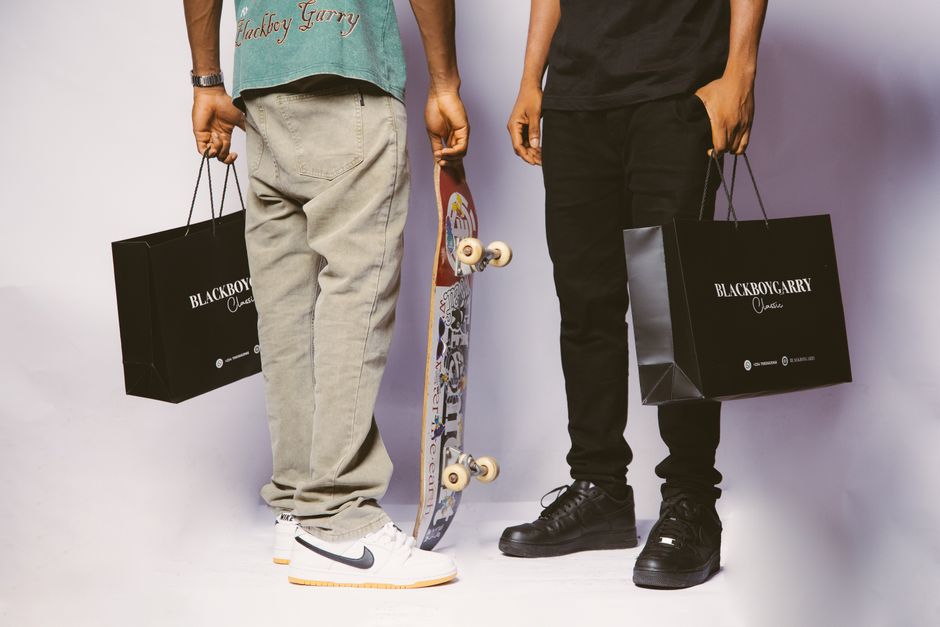
There is no single store. KL streetwear distribution is fragmented on purpose.
Instagram direct messages are the primary sales channel. Most brands announce a drop via Instagram Stories, post a Google Form link in their bio, and invoice buyers through WhatsApp. Payment is usually bank transfer or Touch ‘n Go eWallet. No credit cards. No PayPal. This creates a barrier—if you don’t have a Malaysian bank account, you can’t buy.
Some brands use Shopee as a secondary channel. Brands of the World lists limited stock on Shopee Mall with a 10% markup to cover platform fees. It’s worth checking, but the selection is smaller.
Pop-up markets are the best place to buy. The Kuala Lumpur Streetwear Market runs quarterly at various venues—Rex KL, The Zhongshan Building, APW Bangsar. Entry is free. You can try on pieces, check fabric quality, and talk to the founders. At the December 2026 market, Tuyang had a 20-minute queue for their hand-dyed pants. I waited. The fabric was heavier than expected, and the fit ran small. I passed. That’s the advantage of in-person buying.
If you’re outside Malaysia, the only reliable path is a proxy buyer. Several KL-based accounts on Instagram offer proxy services for a 15–20% fee. Search “KL streetwear proxy” and check their tagged posts for proof of delivery. Scams exist. Do not send full payment upfront. Use a platform that offers buyer protection, or pay half upfront and half on delivery.