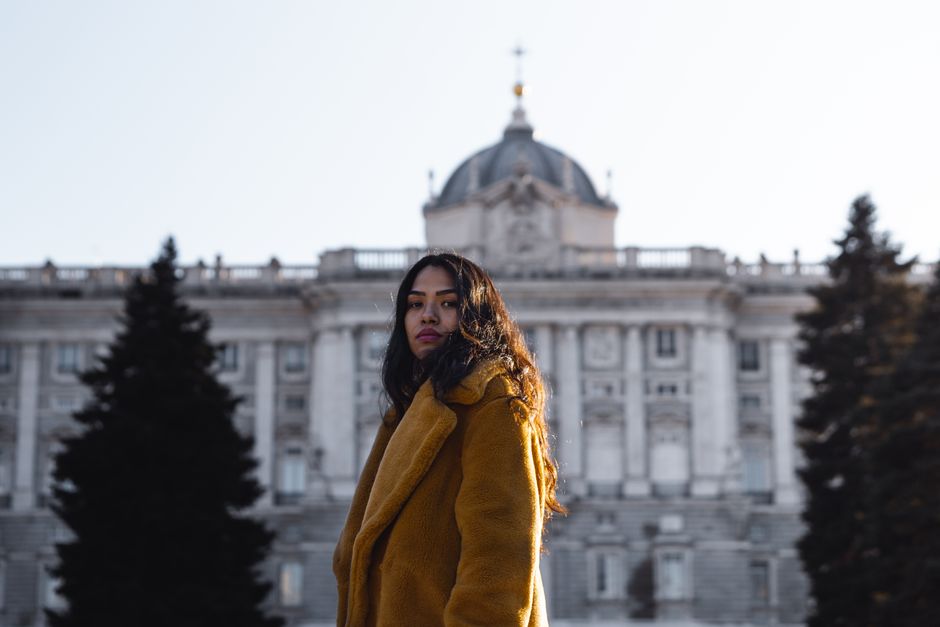
The right Japan winter coat starts with your city
Japan does not have one winter-coat answer because January in Tokyo is a different clothing problem from January in Sapporo, Hakuba, or Aomori. For Tokyo, Osaka, Kyoto, and Fukuoka, the strongest choice is a hip-length or mid-thigh insulated coat with a windproof outer fabric, room for a sweater, and enough water resistance for light rain; a long expedition parka will feel excessive on crowded trains. For Hokkaido, the Japanese Alps, and snowy northern towns, choose a longer coat that covers the hips, seals the cuffs, has a hood, and leaves space for a thermal base layer, fleece, and thick knit; warmth matters more than a sleek silhouette when temperatures stay below freezing. Travelers who plan to walk all day should prioritize low weight and packability, while commuters who move between heated shops and outdoor platforms need easy ventilation and a two-way zipper. My clear verdict is simple: buy for the coldest place and longest outdoor stretch on your itinerary, then use layers to control warmth indoors rather than buying a thin fashion coat and hoping a scarf will fix it.
How cold is Japan in winter?
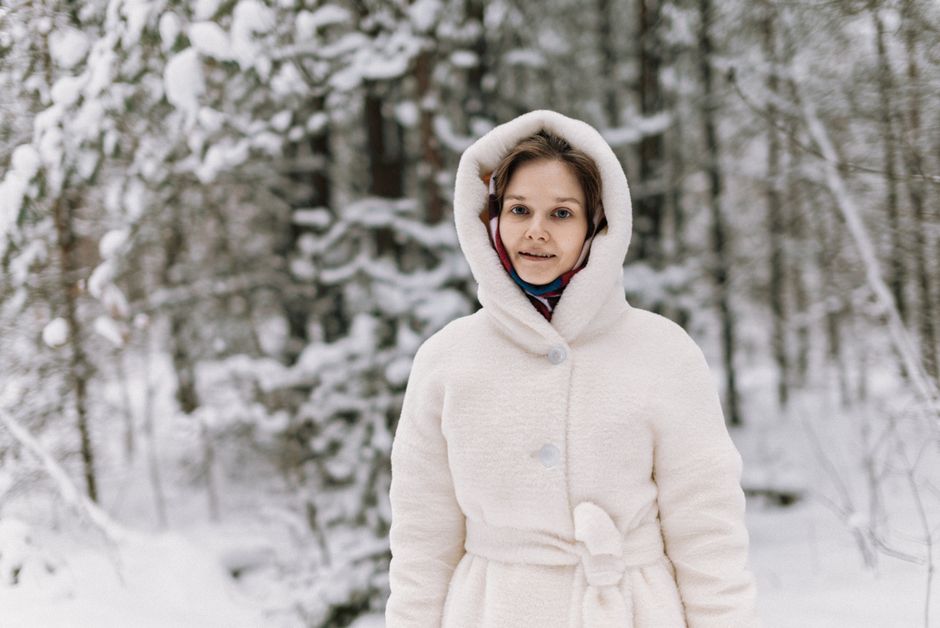
Use regional climate, not a generic winter label, to set your coat specification. Japan Meteorological Agency climate normals show a January mean temperature of 5.4°C in Tokyo and -3.2°C in Sapporo. Wind, wet pavement, and long waits outside stations can make a mild forecast feel much colder.
| Destination | Typical January condition | Coat specification to target | Main mistake |
|---|---|---|---|
| Tokyo | Cool days, cold mornings, limited snow | Midweight down or synthetic insulation; wind-resistant shell | Buying a bulky ski parka for city travel |
| Osaka and Kyoto | Chilly air, strong evening cold, occasional rain | Hip-to-thigh length, hood, light water resistance | Choosing style with no room for layers |
| Nagano or Hakuba | Freezing nights and snow around resorts | Longer insulated coat, sealed cuffs, warm hood | Relying on a cotton coat in wet snow |
| Sapporo and northern Hokkaido | Subzero averages, snow, wind, icy streets | Thigh-length insulation, high collar, storm protection | Focusing on fill power alone |
For a first trip covering Tokyo and Kyoto, a versatile thigh-length coat is the safest purchase. Add heat-tech underwear, wool socks, gloves, and a compact rain shell if the forecast looks unsettled. Choose a dedicated cold-weather parka only when northern Japan is a real part of the trip.
How to layer a winter outfit for Japanese cities
A good coat works as part of a system. The most practical Japan outfit uses thin layers that can be removed quickly inside department stores, cafés, museums, and trains.
- Start with a dry base layer. Wear a fitted merino or synthetic thermal top. Cotton holds sweat and becomes cold during long outdoor walks.
- Add a midlayer with texture. A 200-weight fleece, fine wool sweater, or light insulated vest adds warmth without making the sleeves too tight.
- Leave 2 to 4 cm of movement room. Your coat should close over the base and midlayer without pulling across the chest or lifting at the back.
- Protect the neck and wrists. A scarf and snug cuffs stop warm air escaping through the largest gaps. These details often matter more than adding another thin shirt.
- Choose shoes for the ground. Tokyo sidewalks may be dry, while resort streets can be slushy or icy. Water-resistant leather or treated fabric with reliable tread beats a smooth fashion sole.
- Control indoor heat. A two-way zipper, unlined pockets, and a hood that folds flat make a coat easier to wear on packed public transport.
The winning formula for most visitors is one warm coat, one midlayer, and one compact accessory set. Packing three heavy sweaters creates more bulk and gives you less control than carrying one fleece, one thermal top, and a scarf. Fit is part of insulation: a coat that hangs open at the collar or compresses its insulation under tight layers will perform below its label.
Which winter coats are worth buying?
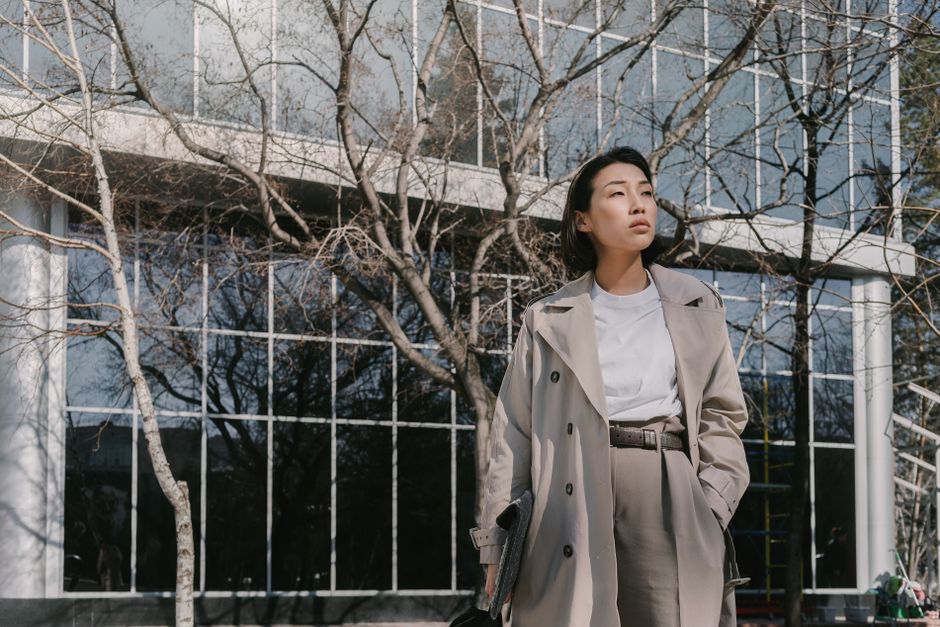
These four coats cover the main buying cases. Prices are listed in Japanese yen and can change with seasonal sales, stock, and model updates, so treat them as current reference points rather than permanent promises.
| Coat | Listed price | Useful specification | Best use | Verdict |
|---|---|---|---|---|
| Uniqlo Seamless Down Parka | ¥14,900 | 700+ fill power; windproof and durable water-repellent fabric | Tokyo, Osaka, Kyoto, daily commuting | Best value for a first Japan trip |
| Montbell U.L. Travel Down Coat Women’s #1101723 | ¥30,000 | 800 fill power; 377 g; knee-length; Super Dry-Tec fabric | Travelers who walk and pack light | Best warmth-to-weight choice |
| Patagonia Women’s Down Sweater Hoody 84712 | ¥47,300 | 800 fill power; recycled nylon shell; regular fit | Layering, travel, and repeat outdoor use | Best lightweight premium layer |
| Patagonia Women’s Down With It Parka 28442 | ¥52,800 | 600 fill power; knee length; removable insulated hood | Cold city walks and polished outfits | Best coverage for long urban days |
My pick for most visitors is the Montbell U.L. Travel Down Coat because its 377-gram weight, 800-fill insulation, and knee-length coverage solve the three problems travelers face most: cold legs, heavy luggage, and changing weather. The Uniqlo Seamless Down Parka wins on price and easy availability, but it is a shorter city coat rather than a northern-Japan solution. Choose the Patagonia Down Sweater Hoody when packability and layering matter more than full-length coverage. Choose the Down With It Parka when your priority is a cleaner, longer silhouette and extra protection around the thighs.
Why fill power is not the whole warmth story
Fill power measures how much space a given amount of down occupies after it expands. An 800-fill down can create more loft with less weight than 600-fill down, but the number does not tell you how much insulation the garment contains, how long it is, how well it blocks wind, or how completely the baffles cover the body. That is why the 800-fill Patagonia Down Sweater Hoody is excellent as a light layer but not automatically warmer than the knee-length Patagonia Down With It Parka, which uses 600-fill recycled down. The longer parka places insulation over more of the legs and includes an insulated hood, two features that change comfort on a cold station platform.
What keeps heat inside
Look for high collars, adjustable hoods, elastic or hook-and-loop cuffs, a covered zipper, and baffles that do not leave large cold strips between them. A windproof shell can matter more than a small difference in fill power during a breezy evening. The Montbell U.L. Travel Down Coat adds a breathable weather-resistant shell and knee-length cut, so it earns the strongest technical verdict for travelers who will spend hours outdoors. The Uniqlo Seamless Down Parka uses a seamless construction and water-repellent fabric, which is useful in city drizzle, but its shorter cut leaves more lower-body exposure.
Down or synthetic insulation?
Down gives the best warmth for weight and compresses well, but damp down can lose loft until it dries. Synthetic insulation keeps working better when wet and suits people who expect rain, sweat, or rough daily use. Patagonia’s Down Sweater Hoody is the better packable down layer; a synthetic parka is the better choice for wet snow when drying space is limited. Do not buy by fill power alone. Check the coat length, shell fabric, hood, cuff seal, and space for your actual layers. Those details decide warmth in real streets.
Winter-coat mistakes that leave travelers cold
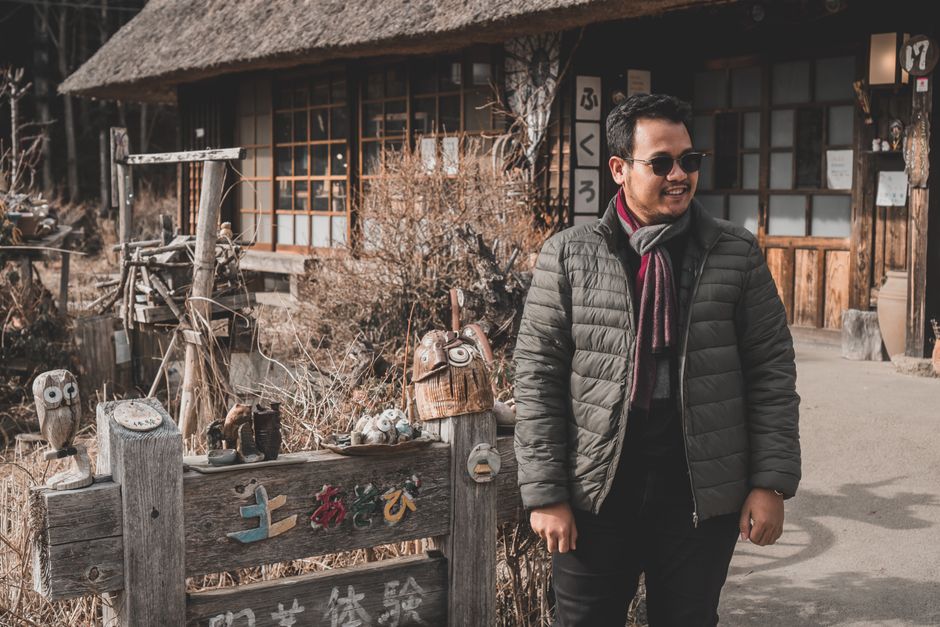
The most expensive coat can fail if the fit and weather assumptions are wrong. Avoid these common buying errors.
- Buying a short coat for a snowy itinerary. A waist-length jacket may look sharp in Tokyo but leaves the hips and upper legs exposed in Hakuba or Sapporo. Choose thigh coverage when snow is part of the plan.
- Choosing a tight fashion fit. Down needs loft, and your arms need room for a sweater. If the baffles flatten across your chest when zipped, size up or choose a roomier cut.
- Confusing water resistance with waterproofing. The Montbell U.L. Travel Down Coat resists weather but is not a fully waterproof raincoat. Carry a shell for sustained rain or wet snow.
- Using fill power as a warmth score. Patagonia’s 800-fill Down Sweater Hoody is lighter and more packable than the 600-fill Down With It Parka, but the parka gives longer coverage. Compare the whole garment.
- Ignoring indoor temperature. A very heavy parka becomes uncomfortable on trains and in shops. For a Tokyo-only trip, the Uniqlo Seamless Down Parka is a more practical buy than an expedition coat.
When not to buy down? Skip it if your route is mostly wet snow, you cannot dry clothing overnight, or you prefer simple machine care. In those cases, choose a synthetic insulated coat with a durable shell, even if it weighs more.
Japan winter coat questions answered
Is a down jacket enough for Tokyo in January?
Yes, a midweight down jacket is enough for most Tokyo sightseeing when paired with a thermal top, sweater, scarf, and gloves. The Uniqlo Seamless Down Parka is the sensible budget choice because it offers 700+ fill power, wind protection, and a price around ¥14,900. A longer coat feels better if you get cold easily or spend evenings outdoors.
What coat should I wear in Hokkaido?
Choose a thigh-length or knee-length insulated coat with a hood, high collar, sealed cuffs, and a shell that handles snow and wind. The Montbell U.L. Travel Down Coat is the lightest technical pick here at 377 g and ¥30,000, but add a thermal base layer, fleece, hat, gloves, and weather-resistant boots. A city down jacket alone is not enough for long outdoor periods in subzero weather.
Should I buy a Japanese coat after arriving?
Buying in Japan can make sense when you need a better local fit, a stronger cold-weather layer, or an item suited to the exact forecast. Uniqlo and Montbell stores are widely useful reference points, while Patagonia offers premium repair-minded options. Buy before your trip if sizing, color, or stock matters; buy after arrival only when you have time to visit stores and compare measurements. Japanese winter outerwear is moving toward lighter insulation, better weather protection, and cleaner city silhouettes, so the strongest future choices will combine technical warmth with clothing people actually want to wear every day.