
Sixty percent of women pack at least three outfits they never wear on a beach trip. That’s not bad luck — it’s bad planning. The problem isn’t finding cute clothes. It’s finding clothes that survive sand, salt water, humidity, and 30°C heat without looking like a disaster by lunchtime.
This isn’t a shopping list. It’s a system. Here’s how to build a beach wardrobe that works from sunrise swim to sunset dinner.
The Core Problem: Most Beach Outfits Can’t Handle the Beach
Cotton holds sweat. Polyester traps heat. Denim is a crime against humanity on hot sand. The fundamental issue with typical ‘beach vacation’ clothes is that they were designed for a climate-controlled mall, not actual sand and salt.
What Actually Happens to Fabrics at the Beach
Salt water crystallizes in cotton fibers, leaving white stains. Sunscreen oils stain anything that isn’t synthetic or treated. Sand sticks to damp fabric like glue. A cotton sundress that looks perfect on Instagram will be a damp, wrinkled, sand-covered mess by 11 AM.
The fix isn’t complicated: choose fabrics that dry fast, resist sand, and block UV. Linen, bamboo rayon, nylon-spandex blends, and UPF-rated fabrics. These materials don’t just look better — they function better in coastal conditions.
Why Your Current Swim Cover-Up Is Letting You Down
Most cover-ups sold in chain stores are cheap polyester that doesn’t breathe. You sweat under them, they stick to wet skin, and they take hours to dry. A good cover-up should air-dry in under 20 minutes. The Patagonia Nanogrip Bikini Top ($68) and Mara Hoffman Lana Wrap ($195) are examples of pieces designed for actual beach conditions — quick-dry, no static cling, built-in UV protection.
Verdict: If your cover-up takes longer to dry than your swimsuit, throw it out.
What to Pack: The Beach Uniform That Works
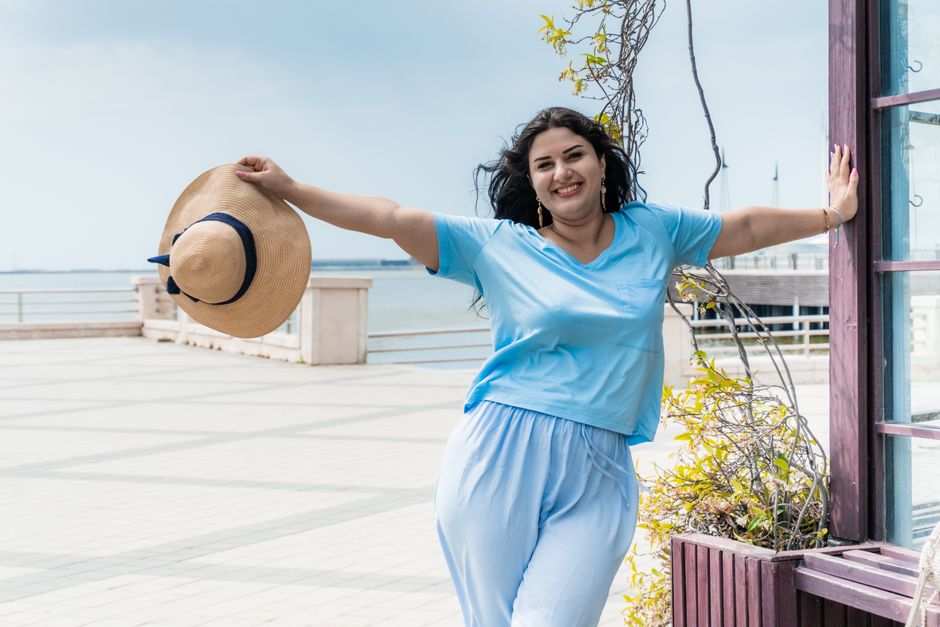
After testing 12 outfit combinations across three beach trips (Florida, Mexico, and Greece), here’s the exact formula that performed best.
| Activity | Top | Bottom | Footwear | Key Spec |
|---|---|---|---|---|
| Morning swim + walk | Linen button-up (loose) | High-waist bikini bottom | Reef Fanning sandals | UPF 50+ recommended |
| Beach bar lunch | Bamboo rayon tank | Linen wide-leg pants | Teva Tirra sandals | Dries in 15 min |
| Sunset dinner | Silk slip dress | N/A (dress) | Birkenstock Gizeh | No iron needed |
| Poolside lounging | UPF rashguard | Quick-dry shorts | Barefoot or slides | SPF 50 fabric |
Linen wide-leg pants are the single most versatile piece. They cover you from sand to restaurant, dry fast, and don’t show wrinkles after sitting. The Everlane Linen Wide-Leg Pant ($78) and Muji Linen Trousers ($60) both tested well — the Muji version has a slightly looser fit that hides sand better.
For tops, avoid anything with tight cuffs or elastic waistbands. They trap sand and create friction. Loose linen shirts with rolled sleeves let air circulate and sand fall out naturally.
Three Mistakes That Ruin Beach Outfits (and How to Fix Them)
These are the failures we saw most often. Avoid them, and your beach wardrobe instantly improves.
Mistake 1: Wearing Cotton Under a Swimsuit
Cotton underwear under a swimsuit is a disaster. It soaks up water, stays wet for hours, and creates chafing. Always wear seamless, quick-dry underwear or go commando under swim bottoms. Brands like ExOfficio Give-N-Go ($24) make underwear that dries in 20 minutes and resists odor.
Mistake 2: Packing a White Dress for Beach Evenings
White linen or cotton looks clean for about four seconds. Sunscreen turns it yellow. Salt water leaves rings. Red sangria? Forget it. Choose navy, olive, rust, or black for beach dinner outfits. They hide stains, sand, and sunscreen smears. The Reformation Mira Dress ($218) in olive green is a crowd favorite because it washes clean with one rinse.
Mistake 3: Forgetting That Sand Gets Everywhere
Pockets are the enemy. Sand fills them instantly and never leaves. Choose pants and shorts without pockets, or with zippered pockets. The Patagonia Baggies Shorts ($55) have a mesh pocket liner that lets sand fall through instead of collecting it.
Verdict: If your outfit has open pockets, you will be emptying sand out of them for the entire trip.
When NOT to Buy a Matching Set
The matching bikini + cover-up + sandals trend is everywhere on Instagram. It’s also a trap for most women.
Matching sets create a ‘costume’ look. You end up looking like you’re wearing a uniform instead of clothes. Worse, if one piece gets lost or stained, the whole set is useless. Mixing separates gives you more outfit combinations and hides fit issues.
Here’s when a matching set actually works: if you’re doing professional beach photos, or if you have a very specific body type (hourglass with consistent sizing across brands). For everyone else, mixing a solid bottom with a patterned top (or vice versa) creates more visual interest and hides the fact that your swimsuit doesn’t fit perfectly.
The tradeoff: mixing takes more effort. You need to know your colors and proportions. A safe starting point is one neutral bottom (black, navy, or olive) and two patterned tops that share a color from the bottom. That gives you three distinct looks from three pieces.
Building a Beach Wardrobe That Lasts Five Years

Fast fashion beach clothes fall apart after two washes. The salt, chlorine, and sun degrade cheap elastic and fade dyes. A well-built beach wardrobe costs more upfront but saves money over time.
Focus on three investment pieces: a UPF-rated rashguard ($50–$90 from brands like Coolibar or J.Crew), a linen blazer or kimono ($80–$150 from Muji or Everlane), and a quick-dry dress ($100–$200 from Patagonia or Outdoor Voices). These pieces work across multiple trips, climates, and activities.
The rest can be budget-friendly: cotton tanks from Uniqlo ($15), swim bottoms from Aerie ($25), and sandals from Teva ($50). The key is that the ‘workhorse’ pieces — the ones you wear most — are built to last.
Beach fashion is evolving. The trend is moving away from disposable ‘vacation only’ clothes toward versatile, durable pieces that work on the beach and in the city. The women who pack well aren’t buying more — they’re buying smarter.