
What are the best running shorts if you want comfort, no chafing, and enough room to move? Start with fit, not branding. A short that looks sharp in a product photo can still ride up, trap sweat, or bounce against your phone after two miles. The right pair solves those problems before they ruin the run.
Why running shorts fail when casual shorts feel fine
Running creates repeated friction, heat, and movement. Casual shorts only need to feel comfortable while standing, walking, or sitting. Running shorts need to stay stable through hundreds of strides while moving sweat away from the skin.
Running is a friction problem
Every stride brings your inner thighs together, then pulls them apart. That repeated motion turns rough seams, heavy fabric, and loose liners into irritation. Good running shorts use lightweight woven fabric, flat seams, stretch panels, or a smooth inner brief. The goal is simple: keep fabric from dragging across damp skin.
Moisture makes the problem worse. Cotton absorbs sweat and stays wet, which adds weight and friction. Polyester, nylon, and elastane blends dry faster and usually keep their shape better. That does not make every synthetic fabric comfortable. A scratchy liner can irritate you faster than a soft cotton blend, so texture matters as much as fiber content.
Length changes how the shorts move
A 5-inch inseam is the safest starting point for most road runners. It gives the thighs room without exposing as much leg as a split short. Seven-inch shorts offer more coverage, but they can feel warm or restrictive during fast intervals. Three-inch and split shorts feel cooler and lighter, yet they demand a better fit around the leg opening.
Shorts should move with your stride, not cling to the knee or balloon around the thigh. A curved hem, side vent, or modest amount of elastane helps. The clear verdict: choose a 5-inch running short for daily training unless you already know you prefer a shorter race cut.
How to choose running shorts that stay put
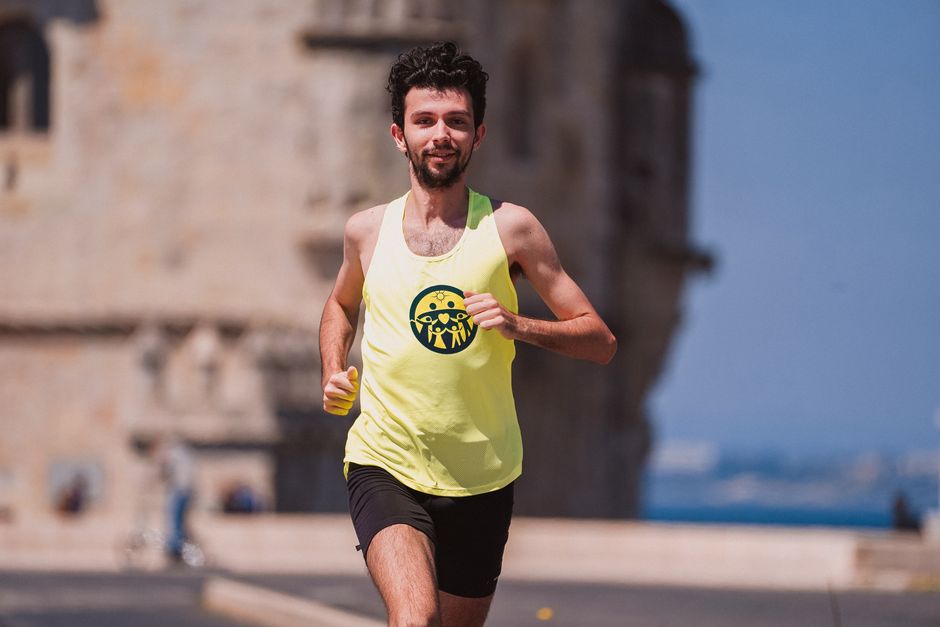
Do not judge running shorts by the waistband alone. Test the whole garment through the movements that expose bad design: squatting, lifting one knee, twisting, and reaching for a phone.
Use this five-point fit check
- Measure your waist where the waistband will sit, then compare that number with the brand chart. Do not assume every medium fits the same.
- Check the leg opening. It should leave enough room for your thigh to move without flaring so widely that the fabric catches wind.
- Raise one knee to hip height. If the short pulls hard across the front or climbs into the groin, the rise is wrong.
- Walk and jog for two minutes. The waistband should stay level without needing constant tightening.
- Put your phone, key, or card in the intended pocket. A pocket that works empty may bounce badly once loaded.
Liner or no liner?
A brief liner gives support and lets you skip separate underwear. It is often the cleanest choice for short runs, hot weather, and runners who dislike fabric bunching. The tradeoff is personal comfort: some liners feel too tight, and a poor liner can create exactly the chafing it was supposed to prevent.
Boxer-brief liners cover more of the thigh and can reduce skin-on-skin friction. They also hold more heat and may roll upward. Linerless shorts work well if you already own supportive running underwear or compression shorts. They are a bad choice if loose underwear bunches under pressure. Pick the liner system you will actually wear for the entire run, not the one that sounds best in a product description.
Which running shorts win on fit, storage, and heat?
These four models show the main choices clearly. Prices can change with color, size, and seasonal sales, so treat them as listed reference prices rather than permanent costs.
| Short | Core specs | Storage | Best use | Verdict |
|---|---|---|---|---|
| Nike Stride Men’s Dri-FIT 5-inch Brief-Lined | 5-inch inseam, lightweight woven body, supportive brief | Back zip pocket plus side pockets | Daily road miles | Best balanced starter pair |
| lululemon Pace Breaker Lined Short 5-inch | 5-inch inseam, four-way stretch, quick-drying grid mesh liner, $78 | Low-bounce zip pocket, liner pockets, front pockets | Running and gym training | Best polished all-rounder |
| Brooks Sherpa 5-inch Short | 5-inch inseam, DriLayer 100% polyester, brief liner, $64 | Three pockets | Long training runs | Best practical storage setup |
| Patagonia Strider Pro 5-inch | 5-inch inseam, 107 grams, four-way stretch, $89 | Five pockets, including a secure rear zip pocket | Trail and long-distance running | Best for carrying essentials |
What the numbers mean in real use
The Nike Stride is the easiest recommendation for a first serious pair. Its 5-inch length, brief liner, hem vents, and phone-sized rear zip pocket cover the basics without adding much bulk. Choose it for normal road runs when you want a familiar fit and simple storage.
The lululemon Pace Breaker feels more like a crossover short. Its front pockets make it useful before and after training, while the liner and side zip pocket still work for running. The $78 price is hard to defend for a runner who only wants a lightweight race short, but the design earns its place if one pair must handle the gym, errands, and easy miles.
Brooks Sherpa wins for runners who carry gels, keys, and a phone. Patagonia Strider Pro wins for trail use because its five-pocket layout and 107-gram weight give you more utility without turning the short into heavy hiking gear. Neither is the best bargain. Both are better choices than a cheap short with one useless pocket.
What causes chafing, bounce, and soaked shorts?

Most running-short problems come from a mismatch between the garment and the run. Fix the cause before buying another pair.
Why do running shorts ride up?
They usually ride up because the leg opening is too narrow, the inseam is too short for your stride, or the liner grips the thigh. A larger size may fix the first issue but create waistband bounce. Try a roomier cut or a slightly longer inseam before sizing up everywhere.
Why does my phone bounce in the pocket?
A pocket placed on the side of the thigh swings with every step. A rear zip pocket close to the waistband usually stays more stable. Even then, a large phone can pull lightweight fabric downward. Test the pocket while jogging, not while standing in a fitting room. If the phone moves, use a belt or handheld carrier instead of forcing the shorts to carry too much weight.
Why do shorts stay wet after the run?
Heavy fabric, a thick waistband, and poor ventilation hold moisture. Look for a lightweight woven shell, mesh panels, and a liner that dries quickly. Do not use fabric softener on technical running clothes; it can coat fibers and reduce moisture movement. Wash promptly, hang the shorts fully open, and replace them when the elastic loses recovery.
The best running shorts for each kind of runner
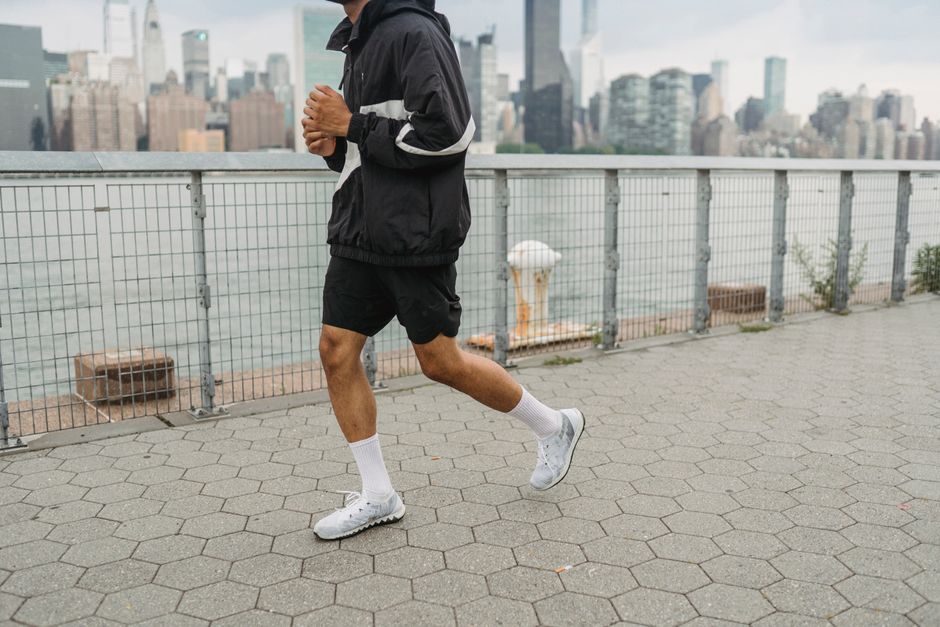
Fit beats features. A perfect pocket cannot rescue a waistband that slips, and a premium fabric cannot fix a liner that rubs. Choose the short that matches your run length, storage needs, and tolerance for coverage.
For daily road running
The Nike Stride Men’s Dri-FIT 5-inch Brief-Lined Short is the best pick. It delivers the right middle-ground length, a supportive liner, breathable woven fabric, and enough storage for a phone and key. It also avoids the overbuilt feel of trail shorts. For most runners doing three to eight miles, this is the sensible winner.
For long runs and trail routes
Pick the Patagonia Strider Pro 5-inch if you carry gels, cards, keys, and a phone. Its five-pocket layout is the strongest here, and the 107-gram weight keeps the design light. The $89 price is steep, but the storage solves a real problem. Choose Brooks Sherpa instead if you want three useful pockets and a simpler, less technical short.
For mixed training and linerless comfort
The lululemon Pace Breaker Lined Short 5-inch is the best crossover option, but it is not the best pure running value. Its four-way stretch, grid mesh liner, front pockets, and low-bounce zip pocket make it work across training sessions. If you dislike liners, use a linerless short with dedicated running underwear rather than ordinary cotton briefs.
For a single pair to start with, buy the Nike Stride in a 5-inch inseam and test it on a short run before committing to a full rotation. It offers the clearest balance of movement, ventilation, support, and storage. For long-distance or trail running, spend more on the Patagonia Strider Pro because its pocket system is the feature that actually changes how you run.