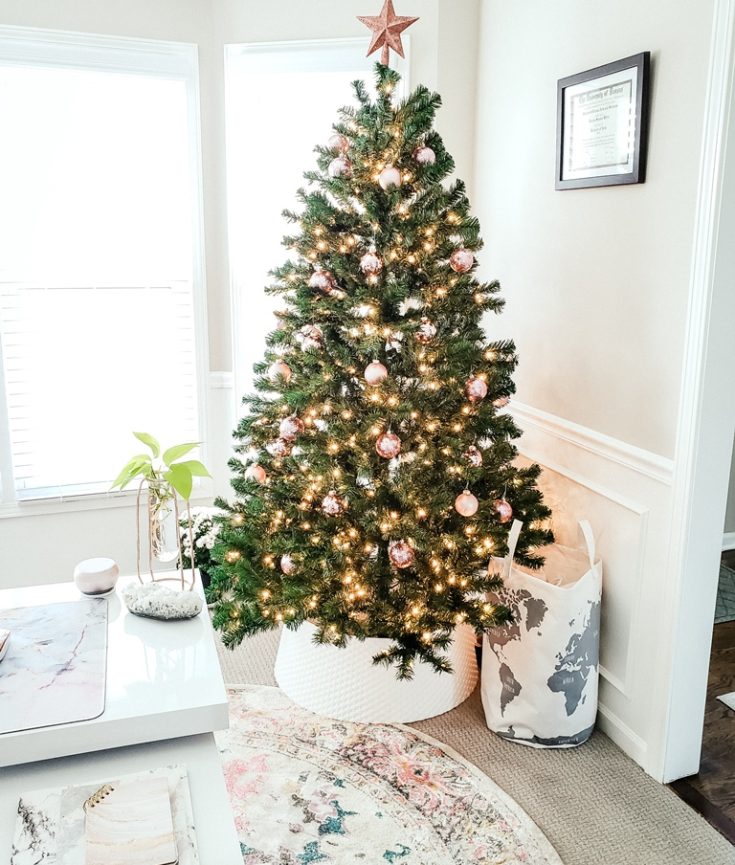
Look, I’ve done the whole holiday decor thing for decades. I’ve bought the cheap stuff, seen it crumble, and then learned the hard way. When people talk about holiday cheer, they often forget that the actual physical stuff you put in your house plays a huge role in creating that feeling. I’ve got strong opinions on what works and what’s a waste of money. Forget the Instagram-perfect staged shots; I’m talking about genuine warmth and a vibe that lasts beyond December 25th.
Why Your Holiday Lights Are All Wrong (And What to Buy Instead)
Here’s a bold statement for you: most of your holiday lights are likely doing more harm than good to your home’s aesthetic. I see it every year. People grab whatever’s on sale, string it up, and wonder why their house looks less like a winter wonderland and more like a convenience store parking lot. The biggest mistake? Ignoring color temperature and quality. Cheap lights often have a harsh, almost blue-white glow that kills any sense of warmth. You want cozy, right? Not an operating room.
I’ve wasted years on flimsy strands that burn out halfway through the season or have that awful greenish tint. My advice? Invest in good lights once, and they’ll last for many seasons. We’re talking quality wiring, reliable LEDs, and, most importantly, the right color.
Forget the ‘Cool White’ Look; Go for 2700K Warm White LEDs
This is non-negotiable for indoor decor, and frankly, for most outdoor displays too. That stark, almost bluish ‘cool white’ light (often 5000K or higher) is terrible for creating a cozy atmosphere. It washes out your decor and can actually make a room feel colder. What you want is a warm, inviting glow. Look for LED lights explicitly labeled as ‘warm white’ at 2700 Kelvin (K). Some brands might call it ‘soft white’ or ‘vintage warm.’ Philips Hue, for example, lets you dial in the exact color temperature, which is a fantastic (albeit pricier) option if you want ultimate flexibility. For a more budget-friendly but still excellent choice, check out Target’s Threshold brand LED lights. Their standard warm white bulbs are usually around that perfect 2700K mark and hold up remarkably well. Expect to pay around $15-25 for a 100-count strand, but they’ll last for years.
Outdoor Lights: C7 and C9 Are Your Friends, Not Mini-Lights
For outdoor displays, especially on your roofline, trees, or bushes, mini-lights often just disappear. They look spindly and lack impact. For a classic, vibrant look that actually stands out, you need to upgrade to C7 or C9 bulbs. These are those larger, often faceted bulbs that give off a substantial, festive glow. They’re what you see in classic holiday movies, and for good reason. They are durable, have a stronger presence, and even if one bulb goes out, the rest of the strand usually stays lit. I run C9 LED strands around my eaves every year, and they consume minimal power while making a huge statement. Expect to spend $30-50 for a 25-foot C9 LED strand, but the difference in curb appeal is night and day. Don’t compromise on your outdoor lighting; it’s the first impression people get.
The Underestimated Power of High-Quality Holiday Textiles
When I first started decorating, I focused on ornaments, garlands, and centerpieces. It took me a few years to realize that the most impactful, yet often overlooked, elements are the textiles. I’m talking about throws, pillows, table runners, and even tree skirts. Cheap, synthetic fabrics feel cheap, look cheap, and ultimately, undermine the luxurious, cozy feel you’re trying to create. I learned that investing in fewer, better pieces makes a huge difference in how your home feels, not just how it looks.
Think about it: during the holidays, people are often snuggled on couches, gathered around tables, or lounging by the tree. The tactile experience of your decor is just as important as the visual. A rough, scratchy throw won’t make anyone want to curl up with a hot cocoa. A plush, soft one, however? That’s pure holiday magic. This is where you can truly elevate your space and make it feel expensive without actually breaking the bank on every single item.
Investing in Plush Throws and Pillows Makes a Real Difference
I cannot stress this enough: upgrade your throws and decorative pillows. Seriously. Ditch the thin, acrylic throws that pill after one wash. Instead, look for materials like wool blends, faux fur (high quality, please), velvet, or even chunky knit cotton. These fabrics add incredible texture, warmth, and a sense of luxury. I’ve had great success with cashmere-blend throws from Pottery Barn (they run about $150-200 but last forever) or even the faux sheepskin throws from IKEA (around $30 for surprisingly good quality). For pillows, focus on rich colors like deep reds, forest greens, or classic ivory. Velvet pillows, especially, add an instant touch of elegance. I usually swap out my everyday sofa pillows for holiday-themed ones in velvet or a nice jacquard fabric. It immediately transforms the room. Look for brands like Crate & Barrel or West Elm during their holiday sales. A few well-chosen pieces are far better than a pile of flimsy ones.
Holiday Table Linens: Beyond the Disposable Paper Option
The dining table becomes a focal point during the holidays, and your linens should reflect that. I used to just throw down a basic tablecloth, but I’ve since realized the power of a really good table runner and cloth napkins. Forget paper napkins, unless you’re having 50 people over and just can’t be bothered. For smaller, more intimate gatherings, cloth napkins elevate the meal significantly. Linen or cotton napkins in a festive color or pattern (think plaids, subtle metallics, or a solid deep jewel tone) make every place setting feel special. You can find sets of four quality cotton napkins for $20-30. As for table runners, a beautiful velvet or embroidered runner can completely change the look of your table, even if your everyday placemats stay. For a more rustic, natural look, consider a simple, high-quality linen runner. Pottery Barn often has stunning holiday runners, but you can find surprisingly good ones at HomeGoods if you’re willing to hunt. Don’t forget a substantial, well-made tree skirt either; it’s the foundation of your tree’s entire look.
My Verdict on All-in-One Decor Kits
Just don’t. Seriously. Don’t buy them. They’re the decor equivalent of a pre-packaged meal: convenient, but utterly devoid of soul. You end up with a generic, uninspired collection of items that look like they were pulled from a discount store’s ‘holiday aisle’ bin. Your home deserves more personality than a cookie-cutter kit can offer. Skip them entirely.
My Essential Holiday Decor Don’ts and Do’s for 2026
After years of trial and error, I’ve compiled a list of the absolute must-dos and definite no-gos when it comes to holiday decorating. These aren’t just personal preferences; these are lessons learned from seeing what truly creates a magical atmosphere versus what just adds clutter or a touch of tackiness. Stick to these, and your home will thank you.
- DON’T Overdo the Inflatables (Especially the Cartoonish Ones). I know, I know. They’re easy. But unless you’re going for a hyper-kitschy, ironic look, giant inflatable Santas, snowmen, or cartoon characters rarely enhance the elegance or warmth of your outdoor display. They often look deflated and sad on windy days, and when they’re off, they’re just a sad pile of nylon. If you must have inflatables, choose one, maybe two, that are tasteful and complement your existing decor, not detract from it.
- DO Embrace Natural Elements. Nothing beats the scent and aesthetic of real greenery. Fresh garlands, wreaths, and boughs of pine, cedar, or eucalyptus are transformative. They smell incredible, add texture, and bring an organic elegance that artificial decor struggles to replicate. You can buy fresh garlands at most garden centers or even Costco for surprisingly good prices (around $30-50 for a 20-foot garland). Drape them over mantels, banisters, or frame doorways. If real isn’t feasible, invest in high-quality faux greenery that looks and feels realistic, like those from Balsam Hill or Terrain.
- DON’T Neglect Scent. Holiday decor isn’t just visual; it’s olfactory. Nothing says ‘holiday’ like the right scent. Avoid overly sweet, artificial sprays. Instead, opt for natural scents. Simmer pots with orange peels, cinnamon sticks, cloves, and cranberries are fantastic. High-quality candles (like Yankee Candle’s ‘Balsam & Cedar’ or Diptyque’s ‘Sapin’ for a splurge) or essential oil diffusers with blends of pine, frankincense, and orange are also excellent. A subtle, natural holiday scent makes a huge difference in the overall ambiance.
- DO Layer Your Lighting. Beyond just string lights, think about layering. Add flameless LED candles (Luminara is my top pick for realistic flicker, around $25-40 each) on mantels, bookshelves, and windowsills. Use spotlights to highlight a wreath or a piece of art. A small lamp with a warm bulb in a dark corner can create a cozy glow. The goal is multiple sources of soft, warm light, not one bright overhead fixture.
- DON’T Buy Cheap, Flimsy Ornaments. I learned this lesson the hard way with kids and pets. Those ultra-cheap plastic ornaments break easily, fade, and just look tacky. Invest in a few boxes of durable, well-made ornaments each year. Glass ornaments (stored carefully), sturdy shatterproof options, or even wooden ones are far better. I love finding unique, handcrafted ornaments from local artists or small shops; they add character and a story to your tree. Target’s Wondershop line often has surprisingly good quality shatterproof options for under $10 a box.
- DO Create Focal Points. Don’t just scatter decor randomly. Pick a few key areas—your mantel, the front door, the dining table—and make them shine. A beautifully decorated mantel with a garland, candles, and a few key accents will have more impact than a dozen scattered knick-knacks. A stunning wreath on your front door sets the tone for your entire home. Focus your energy and budget on these high-impact zones.
Comparing Artificial Christmas Trees: What I’d Buy (and What I’d Skip)
Okay, let’s talk artificial trees. I know, some purists insist on real, but for longevity, ease, and avoiding needle cleanup, artificial is the way to go for many of us. But not all artificial trees are created equal. I’ve seen the good, the bad, and the ugly. The cheap ones with flat, papery needles and visible plastic poles are a definite skip. You want something that looks full, has realistic branch tips, and ideally, comes pre-lit with quality lights. I’ve narrowed it down to what I consider the best value and realistic options for 2026.
| Feature | Balsam Hill (e.g., Fraser Fir) | National Tree Company (e.g., ‘Feel Real’ Series) | Target / Home Depot ‘Realistic Look’ |
|---|---|---|---|
| Realism (Needle Type) | Excellent (mostly PE tips, some PVC for filler) | Very Good (mostly PE tips, some PVC for filler) | Good (mix of PE and PVC, leans more PVC) |
| Branch Fullness | Exceptional; very dense and lush | Excellent; good density | Moderate to Good; can have gaps |
| Pre-Lit Quality | Superior; high-quality LED lights, often with multiple settings (clear/multi) | Very Good; reliable LED lights | Variable; often good, but lights can be less robust over time |
| Durability/Longevity | 10-15+ years with proper care | 7-10+ years with proper care | 3-7 years typically |
| Ease of Setup | Good; hinged branches, clear instructions. ‘Easy Plug’ options available. | Good; hinged branches. | Fair to Good; can be more tedious |
| Price Range (7.5ft Tree) | $800 – $2,000+ | $300 – $800 | $150 – $400 |
| My Verdict | Buy if: You want the absolute best realism and durability, and have the budget. It’s an investment that pays off over decades. | Buy if: You want excellent realism and quality without the top-tier Balsam Hill price tag. Great mid-range value. | Buy if: You need a decent, realistic-looking tree on a tighter budget. Inspect in-store if possible. |
My clear winner, if your budget allows, is a Balsam Hill tree. Yes, they are expensive. A 7.5-foot Fraser Fir will run you $1200-$1500, easily. But I’ve had mine for over a decade, and it looks as good as the day I bought it. The True Needle (PE) technology they use makes the branch tips incredibly realistic. If that’s too much, the National Tree Company’s ‘Feel Real’ series offers fantastic value. They use similar PE (polyethylene) molded tips, mixed with some PVC for filler, which creates a very convincing look at a more accessible price point (a 7.5ft can be $400-600). I would skip anything that’s primarily PVC needles; they look flat and fake. Always look for a high percentage of PE tips for realism. Also, pre-lit is a non-negotiable for me now; it saves so much time and frustration.
Your Top Holiday Decor Storage & Setup Questions Answered
Decorating is only half the battle; storing everything efficiently and correctly is the other. I’ve had my share of crushed wreaths, tangled lights, and faded ornaments. Learning how to properly store your holiday treasures not only preserves them for next year but also makes the setup process so much smoother. You don’t want to start the holiday season with a box of broken dreams. Here are the common questions I get about keeping things tidy.
How Do I Store Wreaths Without Crushing Them?
This is a big one. Nothing’s worse than pulling out a beautiful wreath only to find it’s been flattened into an oval. The best solution I’ve found is using round wreath storage bags. These are specifically designed with a rigid structure or a hard shell that prevents crushing. Look for ones that are slightly larger than your wreath’s diameter. Many come with internal straps or hooks to secure the wreath in place, preventing it from shifting around and getting damaged. You can find these at home organization stores or on Amazon for about $15-30 each. If you’re really short on space, you can also hang wreaths individually in garment bags from a closet rod, but the hard-shell case is superior for protection.
What’s the Best Way to Keep Light Strands from Tangling?
The dreaded light tangle! I used to just ball them up and throw them in a box, only to spend an hour untangling them the next year. Never again. My go-to method now involves light spools or cord reels. These are simple plastic or cardboard reels that you can wind your light strands around. They keep the lights neat, prevent tangles, and protect the bulbs from breakage. Alternatively, for smaller strands, you can wrap them around a piece of sturdy cardboard cut into a rectangular shape with notches on the ends. Label each reel/cardboard with the light type (e.g., ‘White LEDs – Outdoor Gutter,’ ‘Warm White – Indoor Tree’) and length. This makes setup a breeze and saves your sanity. These spools usually cost less than $10 for a pack of several.
Any Tips for Keeping Garlands Looking Fresh Indoors?
If you’re using real garlands, keeping them fresh indoors requires a bit of maintenance, especially in warm, dry homes. First, when you buy them, give them a good soak in a bathtub of water for a few hours. This helps them absorb moisture. Once indoors, mist them daily with water using a spray bottle. You can also use an anti-desiccant spray like ‘Wilt-Pruf’ (available at garden centers for around $20) which creates a protective coating and reduces moisture loss. For faux garlands, the key is proper storage to prevent crushing and dust buildup. Store them in long, rectangular storage bags or boxes, laying them flat or loosely coiled, to maintain their shape. A good quality faux garland, if stored correctly, will look great year after year.