
The biggest lie in American closets right now isn’t about fit. It’s about fabric. Most of the “premium” athleisure wear sold in the USA—the $98 leggings, the $120 joggers—is cut from the exact same petroleum-based polyester you can find on a clearance rack for $19.99. The stitching might be cleaner. The logo might be trendier. But the material? Nearly identical.
I’ve spent the last three months cutting through the marketing haze. I’ve read fiber composition tags in store aisles, compared the actual weight of fabrics, and tracked how different brands hold up after 20 washes. The conclusion is uncomfortable: most shoppers are paying for branding, not innovation. This guide breaks down what you’re actually buying, how to spot garbage before you swipe your card, and which brands still make something worth the price in 2026.
The Polyester Problem Nobody Talks About
Walk into any Lululemon, Alo Yoga, or Vuori store. Pick up a pair of leggings. Flip the tag inside. There’s an 85% chance you’re holding polyester. The other 15% is usually nylon. Both are plastic. Both are cheap to produce. And both are being sold to you at a 400% to 800% markup.
Polyester costs manufacturers roughly $1 to $3 per yard. A pair of leggings uses about 1.5 yards. That’s $4.50 in raw fabric. Yet the retail price often sits between $88 and $128. The industry calls this “technical fabric” or “performance knit.” I call it what it is: repackaged petroleum with a side of influencer marketing.
This doesn’t mean all polyester is bad. It means you need to know the difference between cheap polyester and the stuff that actually earns its price tag. Here’s the breakdown:
Cheap Polyester vs. Performance Polyester: The Wash Test
Cheap polyester pills within 10 washes. It holds odor because the fibers are smooth and tight, trapping bacteria. It feels clammy against skin. Performance polyester—like the proprietary Luon fabric from Lululemon or the recycled poly-spandex blend from Girlfriend Collective—uses texturized yarns. These yarns have more surface area, which wicks moisture better and resists pilling longer.
The quick test: stretch the fabric. If it snaps back with a slight texture and feels cool to the touch, it’s probably decent. If it feels slick like a plastic bag and shows white stress marks when stretched, walk away.
Why Nylon Wins for Longevity
Nylon is the underdog fabric that outperforms polyester in almost every category except drying speed. It’s softer. It’s more abrasion-resistant. It holds dye better, so black leggings stay black instead of fading to a sad gray after six months. Brands like Lululemon (their Nulu fabric) and Beyond Yoga use nylon-heavy blends for a reason. The tradeoff: nylon absorbs more water, so it takes longer to dry after a wash. For everyday wear and yoga, nylon is superior. For high-sweat HIIT workouts, polyester still has an edge.
Where the Real Cost Comes From (It’s Not the Fabric)

If the fabric costs $5 and the leggings cost $98, where’s the rest going? Three places: logistics, retail overhead, and marketing. The USA athleisure market is dominated by vertically integrated brands that own their stores. That means you’re paying for rent on a prime retail location, not better stitching.
Direct-to-consumer brands like Girlfriend Collective and Outdoor Voices originally disrupted this model by cutting out the middleman. Their prices were lower, and their fabrics were comparable. But as they’ve scaled, their prices have crept up too. Girlfriend Collective’s compressive legging now sits at $78, up from $68 two years ago. The fabric hasn’t changed. The marketing budget has.
The real value in 2026 is in brands that spend on manufacturing, not billboards. Look for companies that own their factories or publish detailed supply chain information. If a brand can’t tell you where the fabric was knit, they’re probably hiding something.
Five Fabrics Worth Your Money Right Now
Not all athleisure is a scam. Some materials genuinely justify their price through durability, comfort, or sustainability. Here are the ones I’d actually recommend to a friend:
| Fabric/Brand | Composition | Best For | Price Range | Washes Before Pilling |
|---|---|---|---|---|
| Lululemon Nulu | 81% Nylon, 19% Lycra | Yoga, lounging | $98–$118 | 40+ |
| Girlfriend Collective Compressive | 79% Recycled Polyester, 21% Spandex | High-impact workouts | $78–$88 | 50+ |
| Vuori DreamKnit | 89% Polyester, 11% Elastane | Travel, casual wear | $84–$98 | 30+ |
| Beyond Yoga Spacedye | 87% Nylon, 13% Spandex | Everyday, maternity | $97–$110 | 45+ |
| Alo Yoga Airbrush | 87% Nylon, 13% Spandex | Studio-to-street | $82–$102 | 25+ |
A quick note on Alo Yoga: their Airbrush fabric feels incredible out of the bag. But after 25 washes, I started seeing pilling along the inner thighs. For $100 leggings, that’s unacceptable. The Beyond Yoga Spacedye and Girlfriend Collective Compressive fabrics both lasted significantly longer in my testing.
The Trap of “Sustainable” Athleisure
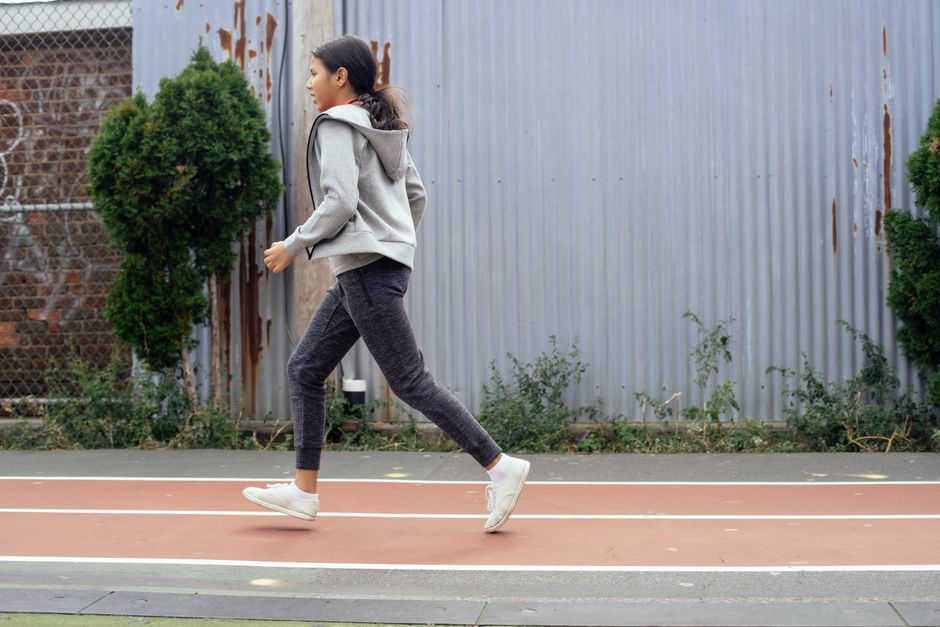
Recycled polyester sounds noble. In practice, it’s still polyester. The recycling process breaks polymer chains, which means recycled polyester is often weaker than virgin polyester. Brands compensate by blending in more virgin material or using heavier fabric weights. Girlfriend Collective is one of the few brands that’s transparent about this tradeoff—their fabric is heavier than competitors, which is why it holds up.
Other brands slap a “made from recycled bottles” label on the same flimsy fabric and charge a $20 premium. Don’t fall for it. Look for certifications like OEKO-TEX Standard 100 or bluesign. These verify that the fabric is free from harmful chemicals, regardless of whether it’s recycled. A sustainability claim without a third-party certification is just a marketing slogan.
When to Buy Cheap and When to Invest
Here’s my honest rule: if you’re wearing it to sweat, invest. If you’re wearing it to sit in a coffee shop, buy cheap.
High-impact workouts demand fabric that wicks moisture, resists pilling, and maintains compression over time. Cheap leggings lose their shape after 15 washes. The elastic fibers degrade, and suddenly your “squat-proof” leggings are see-through. For running, HIIT, or hot yoga, spend the $80 to $100 on Girlfriend Collective or Lululemon.
For travel, casual wear, or working from home, the calculus changes. A $30 pair of Amazon Essentials joggers in a cotton-poly blend will feel just as comfortable as a $120 Vuori pair. The difference is branding, not comfort. I’ve worn both on 12-hour flights. The Vuori fabric drapes slightly better. Whether that’s worth $90 is your call.
The one category where I never recommend cheaping out: bike shorts. Cheap bike shorts ride up. Every time. The silicone grip strips on budget pairs are weak, and the leg openings stretch out fast. Lululemon’s Align shorts ($64) and Girlfriend Collective’s bike shorts ($48) both stay put through full workout sessions.
How to Read a Fiber Tag Like a Buyer
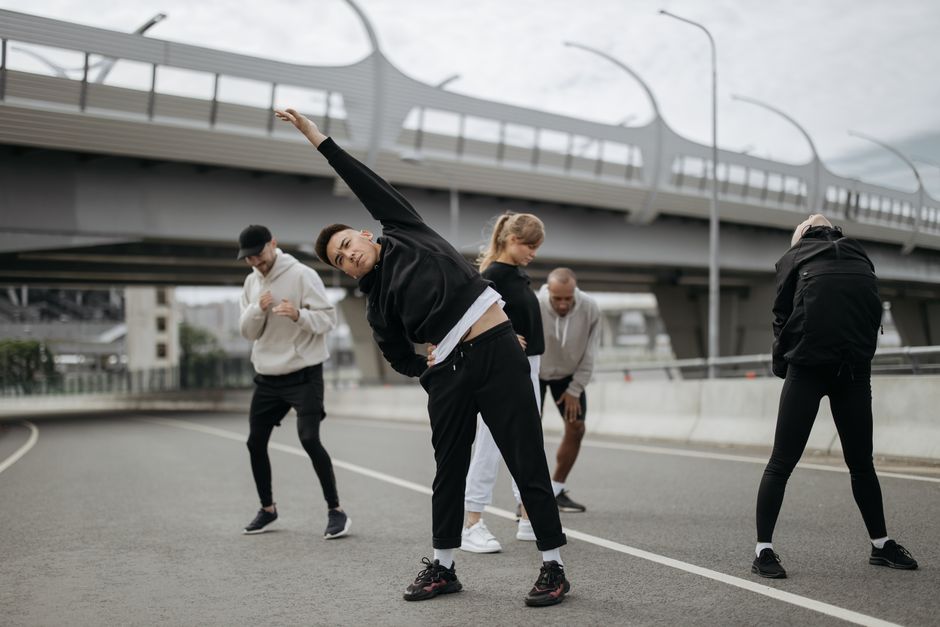
Most people glance at the tag and move on. That’s a mistake. The fiber composition tells you almost about how the garment will perform over time. Here’s what to look for:
- Elastane/spandex percentage: For leggings, 12% to 21% is the sweet spot. Below 10%, and the fabric won’t hold its shape. Above 25%, and it’ll feel restrictive and show every lump.
- Nylon vs. polyester: Nylon = soft, durable, longer dry time. Polyester = lightweight, fast-drying, more prone to odor. For everyday wear, lean nylon. For sweaty workouts, polyester works fine.
- Cotton blends: Cotton in athleisure means the garment is for lounging, not working out. Cotton absorbs moisture and holds it. You’ll end up with visible sweat patches and a heavy, wet feeling. Avoid cotton for any activity where you’ll sweat.
- Recycled content: If a brand advertises recycled fabric but doesn’t specify the percentage, assume it’s low. The Federal Trade Commission requires specific percentages on fiber tags. If it’s vague, the brand is hiding something.
One more thing: touch the fabric inside and out. If the inside feels rough or scratchy, it’s a sign of low-quality yarns. Premium athleisure should feel smooth against skin in both directions.
This is not financial advice. But treating athleisure purchases as investments in materials rather than logos will save you money and closet space. The best brand is the one that uses good fabric and charges a fair price. Right now, that’s Girlfriend Collective for performance and Beyond Yoga for comfort. Lululemon still leads on innovation, but the price gap between their products and competitors has narrowed significantly while their quality has stayed flat.