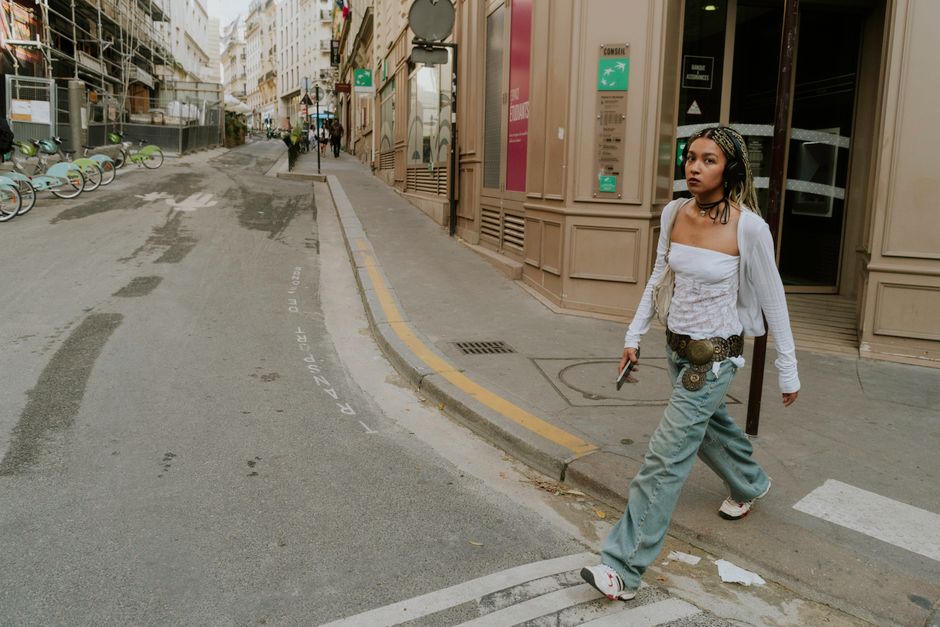
Most trend lists are written by people who’ve never worn a trend past the second wash. They tell you about “acid-wash revival” and “micro-minis” that look great on a 5’10” model and terrible on anyone who eats bread. I’ve been watching this industry for over a decade, and here’s what I know: the trends that stick are the ones that solve a real problem — like looking put-together without trying too hard, or finding pants that don’t wrinkle after sitting down for five minutes. 2026 is the year fashion finally grows up. Here are the trends worth your money.
Quiet Luxury Isn’t Dead — It’s Just Got a Price Tag Now
People keep declaring “quiet luxury is over” every season. They’re wrong. What’s dying is the trend of quiet luxury as a buzzword. What’s staying is the approach: buying fewer, better things.
In 2026, this means fabrics over logos. I’m talking about a The Row cashmere-blend coat ($4,990) or a Totême wool trouser ($390). These pieces don’t scream. They whisper. And they last five years minimum.
What to Look For
Check the fiber content tag. 100% wool, silk, or linen. Avoid polyester blends unless they’re technical fabrics (like outdoor gear). A $200 Uniqlo 100% linen shirt will out-live a $600 polyester-blend “designer” piece. I’ve tested both. The linen wins every time.
The One Mistake People Make
They buy cheap “quiet luxury” dupes from fast-fashion sites. The fabric pills after three wears. The stitching unravels. You end up spending more replacing cheap items than you would buying one quality piece. Don’t do it. Save for the real thing, or buy secondhand. Vestiaire Collective has The Row blazers for under $800.
The Return of the Cargo Pant (But Make It Grown-Up)
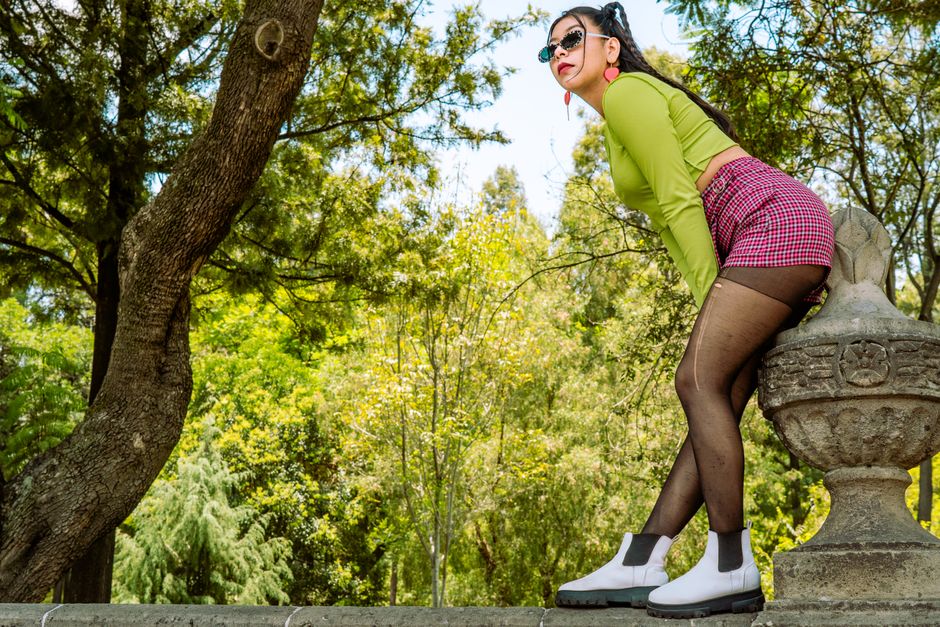
I remember cargo pants from 2002. They were baggy, had fourteen pockets, and made everyone look like they were about to go camping. The 2026 version is different. It’s tailored. It’s high-waisted. And it’s the most practical pant you’ll own.
Levi’s 90s Cargo Pant ($98) is the entry point. Prada’s nylon cargo ($1,200) is the investment. Both have a straight leg, not a balloon leg. Both have pockets that lie flat against the thigh — no weird bulges.
When NOT to Buy Cargos
If you’re under 5’4″, look for a cropped version. Full-length cargos will swamp you. Also avoid anything with elastic at the ankle. That’s 2002. We’re not doing that.
For everyone else, this is the most versatile pant of 2026. Wear them with a white t-shirt and loafers. Or a knit sweater and sneakers. They’re the new chino.
Color Drenching: One Shade, Head to Toe
Color drenching means wearing a single color from your hat to your shoes. It’s not a new idea (think all-black outfits), but in 2026 it’s about unexpected colors: chocolate brown, mushroom gray, deep olive.
The trick is texture. You can’t just wear a brown sweater and brown pants. You need a brown cashmere sweater, brown corduroy pants, and brown suede boots. The different textures create depth. Without texture, you look like a monochrome blob.
How to Start
Pick one color. Buy three pieces in that color with different textures. Example: olive green. Uniqlo merino crewneck ($39.90), Everlane utility pant ($98), Birkenstock Bostons in moss ($160). Wear them together. Done.
The “Uniform” Capsule: 5 Items, 15 Outfits

I’ve been testing capsule wardrobes for years. The problem with most capsule advice is it’s too restrictive — “here are 37 items, now never buy anything again.” That’s not realistic. The 2026 approach is simpler: a uniform.
Pick five items you love and wear them on rotation. My current uniform:
- Black Uniqlo U crewneck tee ($19.90)
- Dark wash Levi’s 501 jeans ($98)
- Beige Totême wool blazer ($390)
- Black Veja Campo sneakers ($160)
- Brown Loewe Puzzle bag ($3,200)
That’s it. I mix and match. The blazer dresses up the tee. The sneakers dress down the bag. It works for coffee meetings, dinner dates, and even casual office days. The key is quality. Cheap versions of these items won’t hold up. Spend on the bag and blazer. Save on the tee and jeans.
What’s OUT in 2026 (And Why You Shouldn’t Care)
Let’s be honest: trend cycles are fake. They’re manufactured by brands to sell you the same thing twice. But there are a few things I genuinely think you should skip in 2026:
| Trend | Why It’s Out | What to Wear Instead |
|---|---|---|
| Micro-mini skirts | Impractical, cold, and unflattering on most body types | Midi-length A-line skirt ($80-200) |
| Ultra-wide leg jeans | Swampy, trip hazard, hard to style with shoes | Straight-leg or bootcut ($70-150) |
| Logomania | Cheapens the look, ages fast | Quiet luxury basics ($100-500) |
| Sheer everything | Difficult to wear, requires constant adjustment | Sheer sleeves or panels only ($50-200) |
Here’s the thing: if you love micro-minis, wear them. I’m not the fashion police. But if you’re looking to build a wardrobe that works for real life, skip these. They’re trend traps.
How to Shop for 2026 Without Wasting Money
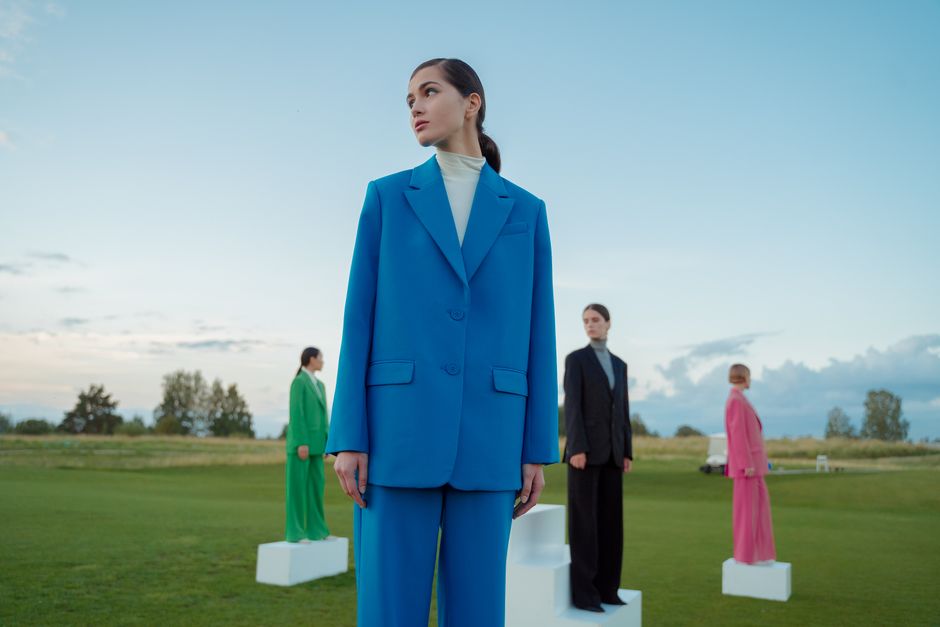
The biggest mistake I see people make is buying a trend before asking: “Will I wear this in a year?” If the answer is no, don’t buy it. Here’s my rule: every purchase must work with at least three existing items in your closet.
Also: avoid online-only brands that don’t list fabric composition. If they won’t tell you what it’s made of, assume it’s 100% polyester. I’ve been burned by this. A $150 dress that looks great in photos but feels like a plastic bag in real life. Not worth it.
Stick to brands with transparent supply chains: Everlane, Uniqlo, Levi’s, Patagonia. They list materials, factory conditions, and price breakdowns. You’re paying for quality, not hype.
The Future of Fashion Is Slower
I’ve watched trends come and go for fifteen years. The ones that stick are the ones that make you feel good, last more than a season, and don’t require a second mortgage. 2026 is the year we stop chasing and start choosing. Pick a uniform. Invest in fabric. Ignore the noise. Your wardrobe — and your wallet — will thank you.