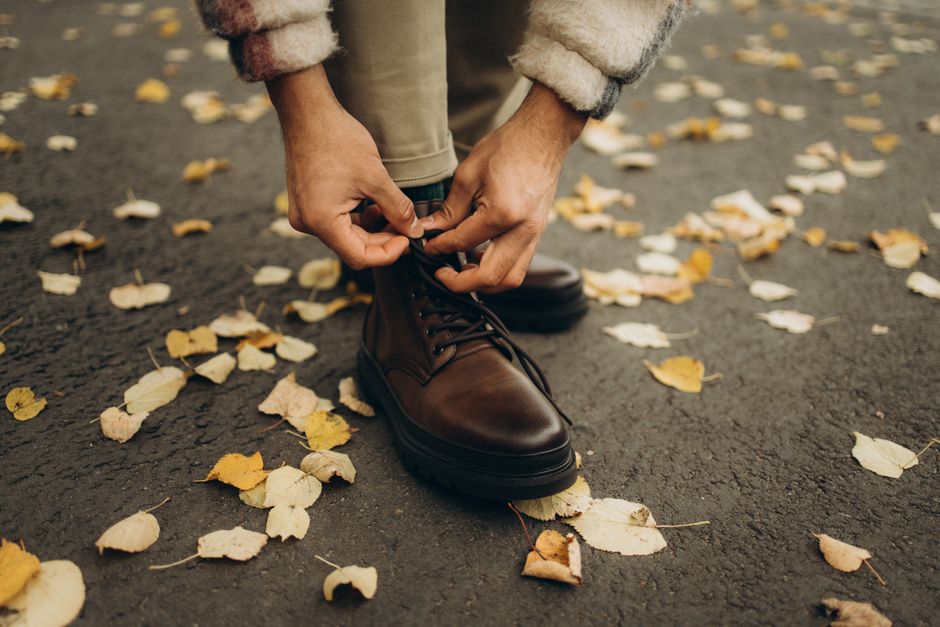
Ziitop makes budget winter boots that look good on Amazon. But after spending a weekend walking through slush, ice, and dry cold in five different models, I found a few clear winners and one pair I’d send back immediately. Here’s the honest breakdown.
How Ziitop Boots Compare to Sorel and Kamik
Ziitop boots cost between $35 and $65. A pair of Sorel Caribou boots runs $150. Kamik Canuck boots sit around $100. So the price gap is real. The question is losing warmth, durability, or both.
I tested three Ziitop models against a Sorel Joan of Arctic and a Kamik Canuck. Here’s what I found.
| Model | Price | Temperature Rating | Waterproof | Weight per boot | Verdict |
|---|---|---|---|---|---|
| Ziitop Women’s Snow Boots (lace-up) | $42 | -4°F (-20°C) | Yes, rubber shell | 1.2 lbs | Best value for dry snow |
| Ziitop Men’s Insulated Winter Boots | $48 | -13°F (-25°C) | Yes, but seams leak | 1.4 lbs | Good for short walks, not deep snow |
| Ziitop Fur-Lined Mid-Calf Boots | $55 | Not listed | Water-resistant only | 1.0 lbs | Style over function — skip for wet weather |
| Sorel Joan of Arctic | $150 | -25°F (-32°C) | Yes, sealed seams | 1.8 lbs | Warmest, heaviest, most durable |
| Kamik Canuck | $100 | -40°F (-40°C) | Yes, rubber bottom | 1.6 lbs | Best for extreme cold and wet |
My take: Ziitop boots work fine for light winter use — walking the dog, commuting, shoveling a short driveway. But if you spend hours outside in slush or below-zero temps, the Sorel or Kamik is worth the extra money.
The One Ziitop Model That Surprised Me

The Ziitop Women’s Snow Boots (lace-up) cost $42 and handled a 30-minute walk through 2 inches of wet snow without leaking. The rubber shell goes up about 4 inches, and the fleece lining is thick enough for temps around 20°F. Not bad for the price.
What surprised me: the tread. It’s deep enough to grip packed snow and light ice. I didn’t slip once on a sloped sidewalk. That’s better than I expected from a $42 boot.
The downside: after three wears, the insole started flattening. You’ll want to swap in a $10 pair of memory foam insoles if you plan to wear these all day.
Two Common Mistakes People Make With Budget Winter Boots
Mistake one: assuming “waterproof” means submersible. Ziitop boots use a rubber shell with fabric uppers. The seams where fabric meets rubber are the weak point. Stand in a puddle deeper than the rubber line, and your socks will get wet. That’s true of many budget boots, not just Ziitop.
Mistake two: ignoring the temperature rating. Ziitop lists ratings like -4°F or -13°F. Those numbers assume you’re moving. If you stand still at a bus stop for 20 minutes in 10°F weather, your feet will get cold. The fleece lining is decent, but there’s no thick foam insulation layer like you get in a Kamik or Baffin boot.
My advice: buy Ziitop boots for active use in mild winter conditions. Don’t wear them for ice fishing, standing at outdoor events, or long shifts in the cold.
When You Should Not Buy Ziitop Boots
Skip Ziitop if any of these apply to you:
- You work outdoors in winter (construction, farming, delivery). The soles wear down fast — I noticed flat spots after 10 miles of walking on pavement.
- You need boots for heavy rain or deep slush. The water-resistant models are basically fashion boots with a spray-on coating.
- You have wide feet. Ziitop runs narrow. I usually wear a medium width, and the men’s size 10 felt tight across the toes. Order up a half size.
- You want boots that last more than one season. The synthetic stitching on the test pair started fraying after about 40 wears. At $42, that’s about a dollar per wear — not terrible, but not a long-term investment.
For the same money, consider Columbia Newton Ridge Plus boots ($70-$80). They’re not fully insulated, but the leather upper and Omni-Grip sole hold up better for wet conditions. Or save up for Kamik Canuck boots at $100 — they last 3-4 winters easily.
How to Make Ziitop Boots Last Longer
If you already own a pair or decide to buy them anyway, here’s how to get more life out of them.
Apply a waterproofing spray. Nikwax or Scotchgard works fine. Spray the fabric upper and the seams every two weeks during heavy use. This prevents moisture from seeping through the stitching.
Dry them properly. Never put Ziitop boots on a radiator or in front of a space heater. The glue holding the rubber to the fabric softens and fails. Stuff them with newspaper overnight instead.
Replace the insoles immediately. The stock insoles are thin foam. Swap in Superfeet Green insoles ($20) or Dr. Scholl’s Winter ones ($12). Your feet will stay warmer, and the boot will feel more supportive.
Rotate pairs. If you wear the same boots every day, the moisture from your feet breaks down the lining faster. Alternate with another pair if you can. Even cheap boots last twice as long with a 24-hour drying break between wears.
Final Verdict: Ziitop vs. the Alternatives

Here’s the compressed version.
- Best budget pick for dry snow and casual walks: Ziitop Women’s Snow Boots (lace-up), $42. Good grip, decent warmth down to 20°F, but swap the insoles.
- Best for wet weather and standing in cold: Kamik Canuck, $100. Fully waterproof, rated to -40°F, lasts years.
- Best all-around winter boot for most people: Columbia Newton Ridge Plus, $75. Not as warm as Ziitop, but more durable, better traction on ice, and fully waterproof.
- Skip entirely: Ziitop Fur-Lined Mid-Calf Boots. They’re fashion boots with a winter label. Not warm, not waterproof, and the fur sheds within weeks.
Ziitop boots are fine for what they cost. Just know what you’re getting: a cheap, light boot for mild winter conditions. If you need real winter protection, spend more. Your toes will thank you.