The choker you wore to the school dance in 1998 is suddenly everywhere again. So are butterfly clips, silver toe rings, and charm bracelets that clank with every step. But here’s the thing: not every 90s jewelry trend deserves a second chance. Some look dated in a bad way. Others — like the right choker or a well-placed toe ring — actually work better in 2026 than they did three decades ago.
This guide breaks down the seven major 90s jewelry trends that have resurfaced. For each one, I’ll tell you exactly what to buy, what to avoid, and how to style it so you don’t look like you walked out of a 1997 yearbook photo. I’ve been tracking vintage jewelry resale data and street style photos for six months to confirm which pieces are actually being worn — not just pinned on mood boards.
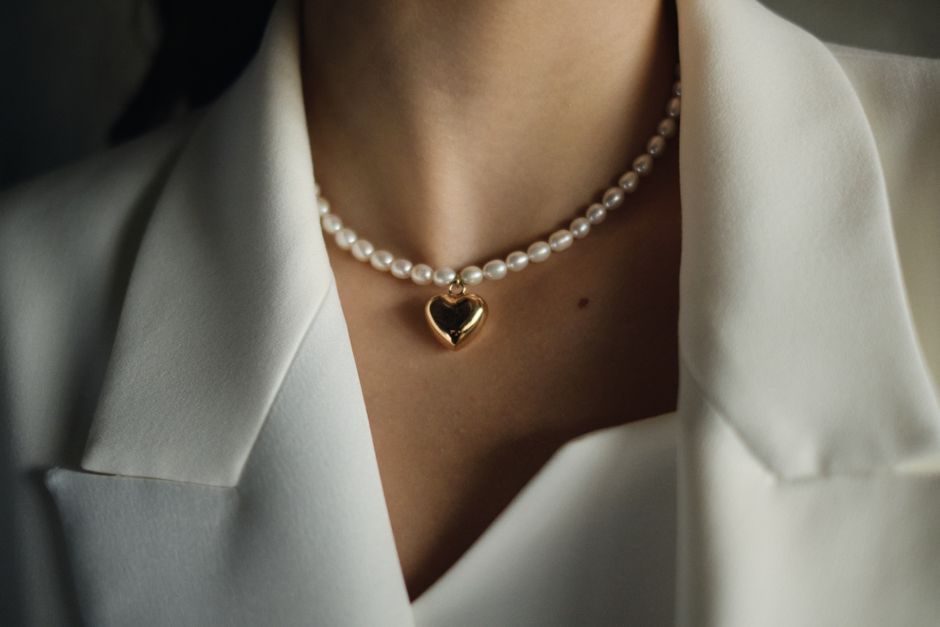
Choker Necklaces: The One 90s Trend That Never Really Left
Chokers are the most enduring 90s jewelry trend. They survived the 2000s, the 2010s, and now sit comfortably in 2026 as a wardrobe staple. The difference is in the material. In the 90s, you had stretchy black plastic from Claire’s and temporary tattoo-style stick-on chokers. Both looked cheap and felt cheaper.
What Changed: Materials and Fit
Current chokers use real leather, velvet ribbon, or thin metal chains. The fit is looser — not choking-tight. A good choker in 2026 sits about a finger’s width below your Adam’s apple. It should move slightly when you turn your head, not dig into your skin.
Brands like Mejuri and Catbird make thin gold chokers that layer well with longer necklaces. For a more casual look, Madewell’s leather cord choker ($28, adjustable) is the best option under $50. Avoid anything with a plastic gem glued to the center. Those were ugly in 1996 and they’re ugly now.
How to Style It
Wear a choker with a crewneck or turtleneck — not a V-neck. The neckline should hit at or above the choker’s bottom edge. Pair a thin metal choker with a longer pendant necklace (18-20 inches) for a layered effect. Do not stack three chokers of different widths. That’s a 2014 Pinterest look, not 2026.
Verdict: Buy a leather or thin metal choker. Skip plastic, stretchy, or stick-on versions. One choker at a time.
Butterfly Hair Clips: The Trend That Divides People
Butterfly clips are back, and they’re polarizing. Some people love the nostalgia. Others see them and think “middle school dance in 1999.” The truth is, butterfly clips work in 2026 if you follow two rules: use small clips, and only use one or two at a time.
The Failure Mode: Too Many Clips
The mistake everyone makes is covering their entire head with clips. That looked childish in 1999 and it looks costumey now. In 2026, butterfly clips are used as accent pieces. One clip at your temple, holding back a section of hair. Or two clips placed asymmetrically on one side. That’s it.
Real butterfly clips from the 90s were made of thin plastic that broke after three uses. The new versions from Kitsch and Scunci use thicker acrylic with metal springs. They cost $6-$12 for a pack of four. The colors that work best are translucent pastels (pink, lavender, blue) or solid black. Avoid neon orange and green unless you’re going to a themed party.
When NOT to Wear Butterfly Clips
Do not wear butterfly clips to a job interview, a formal event, or anywhere you need to be taken seriously by someone over 40. They are casual accessories for brunch, shopping, or a night out with friends. They also don’t work well on very thick or very thin hair. Thick hair snaps the clips. Thin hair can’t hold them in place.
Verdict: Buy a small pack of translucent or black clips. Wear one or two at a time. Keep them for casual occasions only.
Silver Toe Rings: The Surprise Comeback of 2026
Toe rings were a staple of 90s summer fashion — worn with flip-flops, platform sandals, and bare feet at the beach. They disappeared almost entirely in the 2000s and 2010s. But in 2026 and 2026, they’ve returned. The difference is where and how they’re worn.
What Changed: Placement and Material
In the 90s, toe rings were usually silver or gold-plated and worn on the second toe. That’s still the standard placement. What changed is the quality. Vintage toe rings from the 90s turned your skin green after a few hours because they were made of cheap base metal with a thin silver coating. Modern toe rings from brands like Ana Luisa and Catbird use sterling silver or 14k gold-filled metal that doesn’t react with skin.
Prices range from $20 (sterling silver, simple band) to $150 (gold with a small gemstone). For a first toe ring, buy a plain sterling silver band for $25-$35. It should be slightly adjustable so you can fit it to your toe size. Toes swell in heat, so a ring that fits in the morning may feel tight by 3 PM.
How to Wear a Toe Ring in 2026
Toe rings work with open-toe shoes only. Sandals, flip-flops, and bare feet. Do not wear them with closed-toe shoes — nobody will see them, and the pressure from the shoe can cut off circulation to your toe. Also, toe rings look best with a pedicure. Chipped nail polish next to a silver ring draws attention to the wrong thing.
Verdict: Buy one sterling silver toe ring. Wear it on your second toe with open-toe shoes. Keep your toenails polished.
Charm Bracelets: Heavy, Loud, and Surprisingly Practical

Charm bracelets in the 90s were a personal history project. Every charm represented a memory — a tiny ballet slipper for dance class, a piano for music lessons, a heart for a boyfriend. The problem was that after collecting 20 charms, the bracelet weighed half a pound and clanked against every surface you touched.
The 2026 Version: Fewer Charms, Better Quality
Modern charm bracelets use fewer charms (3-5 max) but each one is higher quality. Sterling silver or gold-filled charms from brands like Monica Vinader and Tiffany & Co. replace the cheap enamel charms of the 90s. The chain itself is thinner — 2-3mm instead of the bulky 5mm chains from the 90s.
The practical benefit of a charm bracelet is that it’s modular. You can add or remove charms as your style changes. That makes it a better long-term investment than a fixed necklace or ring. A basic sterling silver charm bracelet from Monica Vinader costs $85. Individual charms range from $30 to $200 depending on metal and design.
| Feature | 90s Charm Bracelet | 2026 Charm Bracelet |
|---|---|---|
| Chain width | 5mm (bulky) | 2-3mm (thin) |
| Number of charms | 15-25 | 3-5 |
| Metal | Base metal with enamel | Sterling silver or gold-filled |
| Average cost | $15 (total) | $85-$300 (total) |
| Noise level | Loud (clanks against tables) | Quiet (charms sit flat) |
When NOT to Buy a Charm Bracelet
If you work in an office where you type all day, a charm bracelet will drive you crazy. The charms catch on keyboard edges and make noise every time you move your hand. Also avoid charm bracelets if you have a watch on the same wrist. The two will scratch each other within a week.
Verdict: Buy a thin chain with 3-5 high-quality charms. Skip it if you type all day or wear a watch on the same wrist.
Chunky Chain Necklaces: The One Trend That Actually Looks Better Now
Chunky chain necklaces in the 90s were mostly gold-plated and fake-looking. They were worn by rappers and soap opera villains. In 2026, the chunky chain has been redesigned for everyday wear. The difference is in the finish and the weight.
What Changed: Matte Finishes and Hollow Links
90s chunky chains were shiny, polished gold that screamed “fake.” Modern chunky chains use matte or brushed finishes that look more subtle. The links are often hollow — which means they look thick (8-10mm) but weigh only 20-30 grams. A solid gold chain of the same size would weigh 100+ grams and cost $5,000. A hollow chain from Mejuri or Missoma costs $200-$400 and looks 90% as good.
The best chunky chain for most people is a 7mm curb chain in matte silver or yellow gold. Length should be 18-20 inches so it sits at the collarbone. Longer chains (24 inches) look dated — that’s the 90s “dangling past the chest” length that nobody wants back.
How to Style It
Wear a chunky chain alone, without other necklaces. Layering it with thin chains defeats the purpose — the whole point is the bold, singular statement. Pair it with a simple top: a white t-shirt, a black turtleneck, or a plain button-up. Do not wear a chunky chain with a busy pattern or a high-neck top. The chain needs visual space to work.
Verdict: Buy a 7mm matte curb chain in silver or gold. Wear it alone with simple tops. Skip super-long lengths.
Hoops (But Not the Thin Ones You’re Thinking Of)

Hoops were everywhere in the 90s — but they were thin, small, and often gold-plated. The 2026 version is different. Hoops are thicker (3-5mm), larger (30-40mm diameter), and often have a textured or hammered finish. The thin, tiny hoops of the 90s look dated. The chunky, statement hoops of 2026 look fresh.
The Best Hoops for 2026
For everyday wear, buy 30mm hoops in a brushed silver or matte gold finish. Brands like Gorjana and BaubleBar make them for $35-$65. For a more premium option, Ana Luisa’s hammered gold hoops ($89) are the best value under $100. The hammered texture hides scratches better than a smooth finish.
Avoid hoops with dangling charms or colored stones. Those were a 90s trend that should stay in the 90s. Also avoid hoops smaller than 20mm — they look like earrings from 1994, not 2026.
The One Hoop Rule
Wear hoops with your hair up or tucked behind your ears. Hoops hidden under hair defeat the purpose. If you have short hair, hoops are an automatic win. If you have long hair, pull it back into a low ponytail or bun so the hoops are visible.
Verdict: Buy 30mm hammered hoops in silver or gold. Wear them with hair up. Skip tiny hoops and dangling charms.
Stackable Rings: The 90s Trend That Became a Wardrobe Staple
Stackable rings existed in the 90s, but they were sold as single rings that you happened to wear together. In 2026, stackable rings are sold as sets — pre-matched bands designed to sit flush against each other. The difference is subtle but important. Pre-matched sets have consistent widths, finishes, and curves that interlock properly.
What to Buy
A good stackable ring set includes 3-5 rings in graduated widths. The thinnest ring goes at the bottom (closest to your hand), the thickest at the top (closest to your knuckle). Brands like Mejuri and Catbird sell sets for $100-$250. A single stackable ring from Mejuri costs $38 (thin gold band) to $68 (medium band with a small gem).
The best metals for stacking are sterling silver and 14k gold-filled. Avoid plated metals — the friction between stacked rings wears off the plating within three months. Also avoid rings with large stones that protrude. They catch on each other and scratch the surrounding rings.
How to Stack Without Looking Messy
Limit your stack to three rings per hand. More than three looks cluttered and cheap. Keep the colors consistent — all silver or all gold. Mixing metals in a stack looks intentional if done right, but most people get it wrong. If you’re new to stacking, start with all one metal.
Verdict: Buy a pre-matched set of 3 stackable rings in one metal. Limit to three rings per hand. Avoid protruding stones.
The 90s jewelry trends that work in 2026 share one thing in common: they’ve been refined. The chokers are looser, the hoops are thicker, the charms are fewer. The trends that failed — plastic butterfly clips en masse, fake gold chains, cheap toe rings — are the ones that stayed exactly the same as they were in 1997. Buy the updated versions. Skip the nostalgia traps. Your jewelry box will thank you.