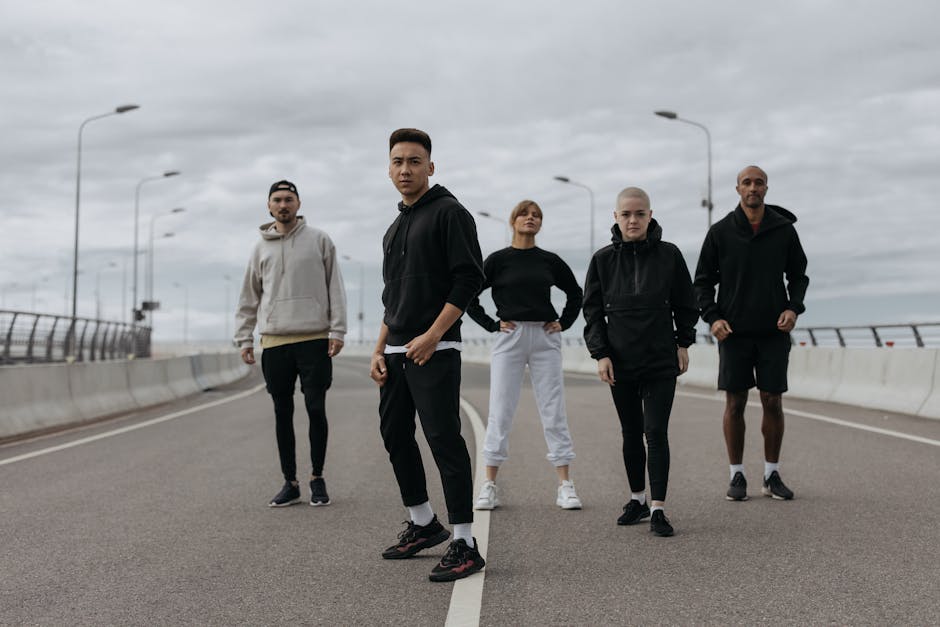
The modern quest for the perfect pair of joggers often begins with a frantic digital search, yet the true test of a garment’s worth occurs the moment you step inside a physical storefront and feel the textile between your fingers. While the convenience of e-commerce is undeniable, the nuance of fit, the tactile feedback of fabric weight, and the immediate assessment of construction quality are experiences that a screen simply cannot replicate. Finding the best joggers shop near me is not merely a matter of geographic convenience; it is a strategic pursuit of retail environments that curate high-performance apparel capable of bridging the gap between athletic utility and refined casual aesthetics. To make an informed purchase, one must move beyond the surface-level appeal of a brand name and investigate the mechanical and chemical properties that define a truly superior jogger.
The Physics of Textile Selection in Local Retail
When you enter a high-end athletic or fashion boutique, the first indicator of quality is the sensory data provided by the fabric’s “hand-feel.” This isn’t just about softness; it’s about the density and the rebound of the fibers. The technical weight of the fabric, measured in Grams per Square Meter (GSM), dictates how the jogger will behave in various environments. A lightweight jogger, typically falling between 150 and 220 GSM, is designed for high-intensity movement or tropical climates. These garments prioritize breathability and moisture transport over structural rigidity. However, for a jogger intended to serve as a versatile wardrobe staple, a mid-to-heavyweight fabric (280 to 450 GSM) is preferable. This heavier weight ensures that the garment drapes cleanly off the hips rather than clinging to the skin, providing a more professional and intentional silhouette.
Decoding the Fiber Matrix: Why Blends Outperform Pure Cotton
A common error among casual shoppers is the assumption that 100% organic cotton represents the pinnacle of quality. In the world of joggers, pure cotton is often a liability. Cotton is a hydrophilic fiber, meaning it absorbs moisture and holds onto it, leading to a heavy, damp sensation during physical activity. More importantly, cotton lacks “memory.” Without the addition of synthetic elastic fibers, a pure cotton jogger will suffer from “bagging” at the knees and seat within hours of wear. The best shops stock technical blends that incorporate materials like Lycra, Elastane, or Spandex at a ratio of 5% to 12%. This allows the garment to stretch with the body and immediately snap back to its original shape. Furthermore, look for shops offering Pima or Supima cotton blends. These long-staple fibers are significantly smoother and stronger than standard cotton, which reduces the friction that leads to pilling—those frustrating little balls of fiber that accumulate in high-rub areas like the inner thighs.
The Structural Anatomy of a Premium Jogger
Before heading to the fitting room, perform a “stress test” on the garment’s internal architecture. Turn the joggers inside out and inspect the seams. A premium shop will carry brands that utilize flatlock or overlock stitching with high stitch-per-inch (SPI) counts. Flatlock stitching is particularly desirable because it removes the bulky seam allowance that causes chafing. Another critical element is the gusseted crotch—a diamond-shaped piece of fabric sewn into the crotch area. This design choice removes the four-way intersection of seams found in cheap sweatpants, which is the most common point of failure. By redistributing the stress across a wider surface area, the gusset allows for a full range of motion, whether you are lunging in the gym or sitting through a long-haul flight. If a shop’s inventory lacks gusseted designs, they are likely selling low-tier loungewear rather than performance-engineered apparel.
Quality is never an accident; it is always the result of high intention, sincere effort, intelligent direction, and skillful execution; it represents the wise choice of many alternatives.
Navigating the Local Retail Tiers: A Strategic Approach
To find the best joggers shop near you, it is helpful to categorize the retail landscape into three distinct tiers. Each tier offers a different value proposition regarding price, durability, and stylistic versatility. Understanding these tiers allows you to align your shopping trip with your specific needs, whether you are looking for a rugged gym companion or a sleek “commuter” pant for the office.
The Performance Specialty Tier: Innovation and Service
Specialty retailers like Lululemon, Vuori, and Rhone occupy the top tier of the market. These shops are essentially laboratories for textile innovation. When you visit these locations, you are paying for proprietary fabric technologies. For instance, Lululemon’s Warpstreme fabric is a Japanese-engineered woven material that mimics the feel of a knit but offers the durability and wrinkle resistance of a high-end synthetic. A major advantage of shopping at these specialty stores is the availability of complimentary or low-cost hemming. Because the aesthetic of a jogger depends heavily on the “break” at the ankle, a pair that is even an inch too long can look sloppy. Having a professional tailor on-site to adjust the length while preserving the integrity of the elastic cuff is a service that justifies the higher price point.
The Multi-Brand Curator Tier: Comparison and Variety
Department stores like Nordstrom or specialty outdoor retailers like REI provide a unique advantage: the ability to compare multiple philosophies of design in a single dressing room. Here, you can contrast the architectural, streetwear-focused design of Nike Tech Fleece against the rugged, utility-driven approach of Patagonia or the minimalist, office-ready aesthetic of Public Rec. This environment is ideal for identifying which “cut” suits your body type. An “athletic taper” provides more room in the glutes and thighs for those with muscular builds, while a “slim fit” offers a streamlined look for leaner frames. Shopping at a multi-brand retailer allows you to gather data on how different brands handle the “rise”—the distance from the waistband to the crotch—which is the most critical factor in overall comfort.
The Value Benchmark Tier: Quality at Scale
For those who need reliable performance without the triple-digit price tag, Uniqlo and Gap serve as the industry benchmarks. Uniqlo, in particular, has mastered the art of “value engineering.” Their Ultra Stretch and Dry-Ex lines use high-quality synthetics that offer impressive moisture management. While you may sacrifice some of the premium hardware—such as heavy-duty metal aglets on the drawstrings or hidden zippered security pockets—the core fabric performance often rivals brands that cost twice as much. These shops are the best choice for high-turnover items, such as joggers used exclusively for heavy outdoor training where stains and abrasions are inevitable.
Deep Dive: Comparative Metrics of Leading Jogger Models
To assist in your search, the following table breaks down the most popular models you will encounter in physical retail stores. These prices and specs represent the current market standard for 2024.
| Brand & Model | Retail Price | Key Specs | Pros | Cons |
|---|---|---|---|---|
| Lululemon ABC Jogger | $128.00 | Warpstreme Fabric, 100% Polyester | Incredible shape retention; hidden zip pockets. | Expensive; the taper can be too tight for large calves. |
| Nike Tech Fleece | $115.00 | 66% Cotton / 34% Polyester | Iconic architectural look; very warm but light. | Outer fabric can pill; requires careful washing. |
| Vuori Sunday Performance | $98.00 | 88% Recycled Poly / 12% Elastane | Softest hand-feel on the market; great for travel. | Thin fabric shows pocket outlines; less wind resistance. |
| Public Rec All Day Every Day | $108.00 | Nylon / Spandex Blend | Looks like a trouser; faux-fly for office wear. | Slightly “swishy” sound when walking. |
| Uniqlo Ultra Stretch | $49.90 | 90% Polyester / 10% Spandex | Unbeatable price-to-performance ratio. | Waistband elastic can twist; basic aesthetic. |
Lululemon ABC Jogger: The Commuter’s Choice
The ABC (Always Be Comfortable) Jogger is arguably the most influential garment in the modern athleisure movement. The use of Warpstreme fabric is a game-changer because it is a warp-knit, which means it doesn’t run or lose its shape even after years of use. In a local shop, you should pay attention to the “ergonomic gusset” and the hidden phone sleeve inside the hand pocket. These small engineering details are what separate a $128 jogger from a $30 alternative. However, be aware that Lululemon offers different lengths (Shorter, Regular, Tall). Trying these on in-person is essential to ensure the cuff sits exactly at the top of your ankle bone, which is the “golden rule” of jogger styling.
Nike Tech Fleece: The Streetwear Icon
Nike’s Tech Fleece is a masterclass in thermal engineering. By placing a plush layer of foam between two layers of cotton jersey, Nike has created a fabric that traps heat without adding bulk. When inspecting these in-store, look at the bonded tape around the zippered pockets. This bonding technique provides a clean, futuristic look and prevents the zipper from snagging the fabric. The main drawback to consider is the high cotton content. Over time, the knees may fade slightly if exposed to harsh detergents or high heat in the dryer. If you value a “structured” look that holds its 3D shape even when not being worn, this is the model to seek out at your local Foot Locker or Nike store.
Vuori Sunday Performance Jogger: The Comfort King
Vuori has carved out a massive niche by focusing on “DreamKnit” technology. This is a brushed jersey fabric that feels like a second skin. It is significantly lighter and more flexible than the Nike or Lululemon options, making it the preferred choice for yoga or long-distance travel. In the shop, notice the shorter inseam and the wider, more relaxed cuff. This design is intended to feel less restrictive. However, the high elastane content makes it sensitive to heat; if you accidentally dry these on high, the elastic fibers can “snap,” leading to a loss of stretch. These are best for those who prioritize tactile comfort over rugged durability.
Maintenance Protocols for Technical Fabrics
Once you have found the best joggers at a shop near you, the longevity of that investment depends entirely on your maintenance routine. Technical fabrics are engineered with specific chemical finishes and fiber structures that can be easily damaged by traditional laundering methods. To keep your joggers looking new for years, follow these professional guidelines:
- Avoid the Dryer: Heat is the primary enemy of synthetic fibers like Elastane and Spandex. High temperatures cause these fibers to become brittle and lose their elasticity. Always hang or lay your joggers flat to dry.
- Flip Inside Out: To prevent pilling and preserve the color depth of the outer face, always wash your joggers inside out. This protects the “good” side of the fabric from the abrasive action of the washing machine drum.
- Skip the Fabric Softener: While it may seem counterintuitive, fabric softeners work by coating fibers in a thin layer of wax. This wax clogs the pores of technical fabrics, destroying their moisture-wicking capabilities and breathability.
- Use Cold Water: Cold water is sufficient for cleaning modern synthetics and prevents the heat-induced shrinkage that can ruin the precise taper of a high-end jogger.
The Fit Assessment: Body Geometry and Jogger Silhouettes

The final step in your local shopping journey is the fit assessment. A jogger’s silhouette is defined by three main measurements: the rise, the thigh circumference, and the taper. Understanding your body geometry will help you navigate the racks more efficiently. For individuals with a “powerlifter” build—large quads and glutes—a jogger with a dropped crotch and a generous thigh cut (like the Public Rec ADED) is necessary to avoid a “legging” look. Conversely, for those with a “runner’s” build, a more aggressive taper from the knee down will provide a sharp, modern appearance that doesn’t look like oversized pajamas.
Common Pitfalls When Buying Locally
Even in the best shops, there are traps to avoid. First, never ignore the “waistband roll.” While in the dressing room, sit down and bend over. If the waistband flips over on itself, the elastic is either too thin or not properly stitched through the channel. This will become an endless source of irritation during daily wear. Second, check the pocket depth. Many modern joggers have shallow pockets to maintain a slim look, but this often results in smartphones falling out when you sit down. Look for zippered security pockets or deep, mesh-lined bags. Finally, pay attention to the cuff tension. A cuff that is too tight will leave marks on your skin and restrict circulation, while one that is too loose will slide down over your shoes, ruining the intended aesthetic of the garment.
Ultimately, the best joggers shop near me is the one that provides a transparent look at the garment’s construction and allows you to test its performance in real-time. By focusing on GSM, fiber recovery, and seam integrity, you can move beyond the marketing hype and invest in a piece of apparel that offers both immediate comfort and long-term durability. Whether you are spending $50 at Uniqlo or $130 at Lululemon, the principles of quality remain the same: look for the gusset, feel the weight, and always, always check the internal stitching.