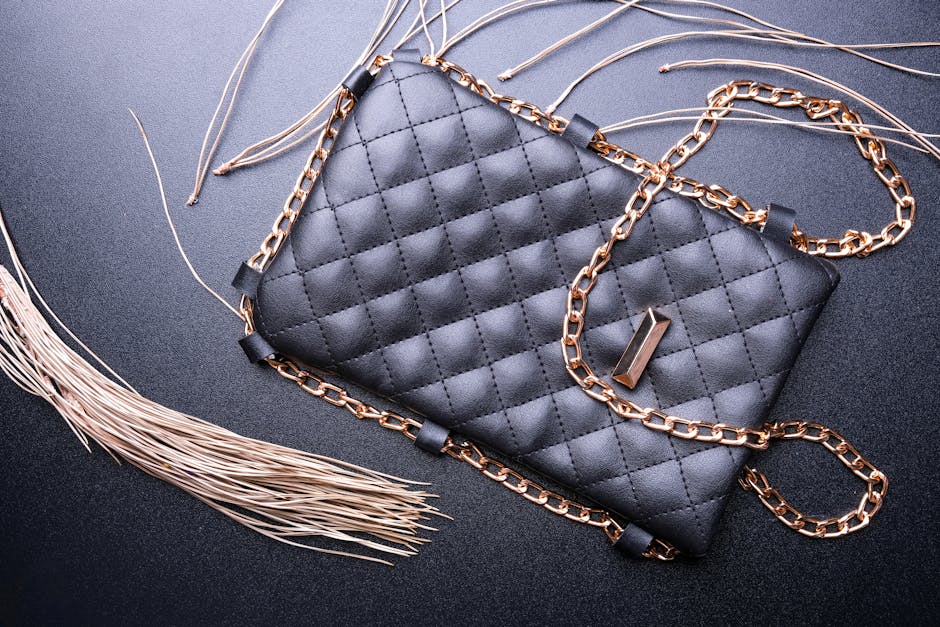
Which handbag brand should you actually buy? That question sounds simple. It isn’t. The handbag market runs from $80 canvas totes to $10,000 crocodile flaps, and the pricing logic isn’t always what it appears to be. Some $300 bags outlast $1,500 bags. Some cult-status brands have coasted on reputation for a decade without improving their product.
This guide is about learning to evaluate a brand before you open your wallet — not just reading which names are prestigious, but understanding what the price actually buys you, where the value breaks down, and how to build a bag selection that functions in a real wardrobe.
The Tier System That Runs the Handbag Market
Handbag brands don’t exist in one market. They exist in at least four distinct ones, each with its own logic, target buyer, and quality floor. Understanding which tier a brand actually occupies — not just where it tries to position itself — is the single most useful thing you can do before buying.
At the top sits true luxury: Chanel, Hermès, and Louis Vuitton. These brands operate on scarcity, heritage, and resale value. A Chanel Classic Flap in medium currently retails around $10,800. Hermès Birkins aren’t even sold to first-time customers — you earn purchasing access through a relationship history with the brand. Louis Vuitton’s Neverfull MM sits at $1,790. These prices aren’t entirely about materials or craft. They’re about position: owning one signals something specific, and that signal has measurable monetary value in resale markets.
The second tier — accessible luxury — is where most serious buyers actually shop. Brands like Gucci, Prada, Celine, Loewe, and Bottega Veneta live here. Prices range from roughly $800 to $3,500 for core styles. A Gucci Marmont Small shoulder bag is $1,280. Prada’s Re-Edition 2005 runs about $1,350. These bags use genuine leather or high-quality canvas, often manufactured in Italy or France, and they hold resale value reasonably well — though not as reliably as top-tier Chanel or Hermès.
The Middle Ground That’s Hardest to Navigate
Between accessible luxury and fast fashion sits the most confusing segment: brands priced at $200–$600. This includes Coach, Kate Spade, Tory Burch, Fossil, and Michael Kors. Quality varies wildly within this range. Coach has genuinely improved since its 2014 brand repositioning — the Tabby 26 ($395) uses real leather with solid stitching and holds up well through daily use. Kate Spade bags in the $200–$350 range lean heavily on logo and trend, with construction that’s acceptable but not exceptional.
Michael Kors is the cautionary tale of this tier. Aggressive discounting has eroded its brand equity to the point where full-price purchases feel hard to justify — the bags are frequently found at 40–60% off, which signals the original price was aspirational rather than cost-based.
The Direct-to-Consumer Disruption
A newer category has quietly become one of the strongest value propositions in women’s handbags: direct-to-consumer brands. Polene, a Paris-based brand sold exclusively online, makes structured leather bags that compete visually with $1,000+ styles and retails them at $200–$350. The Polene Numero Un ($245) has become a genuine alternative to entry-level Celine. A.P.C.’s Half Moon bag ($320) and Mansur Gavriel’s Cloud Bag ($595) operate in the same thoughtful-design-at-honest-price territory.
These aren’t compromises. For many buyers, they’re the smarter choice — especially when the alternative is paying $1,200 for a logo-heavy mid-luxury bag with similar actual leather quality.
What the Labels Don’t Tell You
Made-in-Italy and Made-in-France labels mean a bag was assembled in those countries — not that every component originates there. Hardware is often sourced from China regardless of brand tier. Leather can be tanned in one country and cut in another. This isn’t fraud, but it means the label is a signal of assembly quality, not raw material origin. A Polene bag assembled in Spain from quality leather competes more honestly than a mid-tier brand using the same Italian assembly label to justify a 300% markup.
What You Actually Get at Each Price Point

Here’s an honest breakdown of what each tier actually delivers:
| Price Range | Representative Brands | What the Price Buys | Where Value Breaks Down |
|---|---|---|---|
| $80–$200 | Madewell, Everlane, Dagne Dover | Functional design, durable canvas or vegan leather, honest branding | Limited resale value, fewer material options, hardware durability varies |
| $200–$500 | Coach, Tory Burch, A.P.C., Polene | Real leather on most styles, better construction, longer lifespan | Some brands dilute quality with logo-heavy product lines at the same price |
| $500–$1,500 | Mansur Gavriel, Strathberry, Senreve | Cleaner design, better leather sourcing, more considered construction | Resale market is thin — hard to recoup cost if your taste changes |
| $1,500–$3,500 | Gucci, Prada, Loewe, Celine | Italian or French manufacturing, heritage craft, moderate resale retention | Trendy silhouettes depreciate fast; only classics hold value reliably |
| $3,500+ | Chanel, Hermès, Louis Vuitton | Investment-grade resale, status signaling, artisan construction | Significant upfront capital; some pieces require purchasing history or waitlists |
The most important insight from that table: the $500–$1,500 range is where you pay a significant premium without the resale floor to match. You’re paying for quality you’ll use privately, not for an investment. That’s fine — but go in knowing it. Don’t buy a $900 bag expecting to sell it for $700 in two years. You probably won’t.
Five Signals That Tell You a Bag Is Worth Buying
Forget brand name for a moment. These five things determine whether a specific bag — at any price — is worth the asking price. You can run this check in about ninety seconds at a store.
- Hardware weight and finish. Cheap zippers and rings corrode, crack, or discolor within a year. Pick up the bag and feel the zipper pull. It should feel dense, not hollow. Gold-tone hardware on budget bags is often electroplated and starts flaking at contact points within months of regular use.
- Edge finishing on the straps. Where the leather strap meets the hardware is where bags fail first. Look for clean edge paint or burnished leather — not raw edges covered with a thin bead of glue that’ll crack in six months.
- Interior lining attachment. Pull gently at the corner of the lining. If it lifts or bunches, it’s glued rather than stitched. Glued linings fail. Stitched linings don’t — at least not for years.
- Stitch density. Count stitches per inch along a seam. Eight to ten stitches per inch indicates quality construction. Fewer than six means the seam will pull apart under regular load.
- The smell test. Genuine leather has a distinct earthy, slightly warm smell. Heavily processed or bonded leather smells like plastic or solvent. This isn’t a perfect test, but it’s a fast filter — and most synthetic leather can’t fake the real thing convincingly.
These five checks apply across every price tier. A $250 bag that passes them is a better purchase than a $900 bag that fails two of them. Brand name alone doesn’t guarantee construction quality, especially outside a brand’s core classic styles.
When Brand Prestige Stops Being Worth the Premium
The moment you’re buying a trendy silhouette from a luxury house rather than that house’s signature classic.
Resale value and cultural staying power live in the icons — the styles a brand has produced continuously for decades. Seasonal offerings from even the most prestigious names depreciate like electronics. A logo-print bucket bag from spring 2026 is already a relic. The classic structured styles from the same brand are not.
If the style you’re considering launched in the past eighteen months, it’s seasonal. Buy the classic or wait.
How to Build a Two-Bag Wardrobe That Covers Every Situation
Most women don’t need eight bags. They need two right ones. The common mistake is buying multiple bags at the same price tier in similar silhouettes and then wondering why nothing feels complete. Here’s a framework that actually works.
Step 1: Define the Two Functional Roles
Every wardrobe needs one structured bag and one unstructured bag.
A structured bag holds its shape on its own — a top-handle, a boxy shoulder bag, a frame clutch. It reads as intentional and pulled-together in professional or formal settings. An unstructured bag — a tote, a hobo, a bucket — carries more, moves with your body, and reads as relaxed and casual. Buy one of each. Don’t buy two structured bags and expect the second one to cover casual days. It won’t feel right.
Step 2: Anchor in Neutral Color First
Your first bag should be black, tan, cognac, cream, or navy. It needs to pair with 90% of what you already own without decision fatigue. Your second bag can have personality — burgundy, forest green, warm camel, cobalt.
This sequencing prevents the most common regret purchase: buying two statement bags that compete with each other and match nothing in your wardrobe. The Dagne Dover Legend Carryall ($245) in black is a structured daily driver that pairs with nearly everything. The Mansur Gavriel Mini Bucket ($395) in a warm tan handles the unstructured side with minimal effort. That’s a $640 two-bag wardrobe that covers most situations.
Investing at a higher tier? The Celine Mini Luggage Tote ($2,800) as the structured piece and a Loewe Puzzle Bag ($2,250) as the unstructured option creates a pair with genuine longevity — both are house classics with decades of production history behind them.
Step 3: Resist Buying the Third Bag Until You’ve Worn Both for Six Months
Most third-bag purchases happen because the first two weren’t quite right — meaning the problem was the original selection, not a gap in the wardrobe. Wear your two bags for at least six months. If a real unmet need emerges (a specific occasion, a travel requirement, a work context your current bags can’t cover), that’s when a third bag is justified. Buying preemptively usually means owning bags you rotate once a year.
Brands That Overpromise — And What to Buy Instead
Is Michael Kors worth buying at full price?
No. Michael Kors has trained its own customers to wait for sales through years of near-constant discounting. Bags retail at $200–$400 but hit 50% off so frequently that paying full price feels like a mistake in retrospect. The construction at the $150–$200 sale price is reasonable. At full retail, the value equation doesn’t hold. Buy it on sale or skip it entirely in favor of Coach, which offers more consistent leather quality at comparable sale prices.
Is Kate Spade a meaningful step up from fast fashion?
Marginally. Kate Spade’s construction sits above Zara accessories but not dramatically above Coach at similar price points. It wins on playful design and color options — if you want something distinctive and youthful in the $200–$350 range, it’s a reasonable choice. Just don’t expect it to hold up for a decade the way a Coach Tabby 26 will. The materials and stitching aren’t built for that lifespan.
Should I buy a new mid-range bag or a secondhand luxury bag for the same money?
Buy the secondhand luxury bag. A pre-owned Louis Vuitton Speedy 25 in good condition runs $600–$900 on platforms like TheRealReal or Vestiaire Collective — that’s French manufacture, a design that’s been in production since 1930, and strong resale retention for roughly the same price as a new mid-market bag. The secondhand market for Louis Vuitton, Chanel, and Gucci classics is liquid enough that you can often resell without significant loss if your taste changes.
One firm rule: use platforms with authentication guarantees. TheRealReal, Rebag, and Fashionphile authenticate every piece before listing. eBay and Facebook Marketplace do not. The secondhand luxury market has a counterfeiting problem — authentication services exist specifically because it’s a real and persistent issue.
The handbag category is evolving faster than it has in decades. DTC brands are closing the quality gap with mid-luxury at half the price, the secondhand market has become a legitimate primary channel rather than a backup option, and younger buyers are increasingly prioritizing craft over logo. The brands that will still matter in ten years are the ones already building their reputation on construction rather than marketing spend — and that’s a better filter for your next purchase than any trend report.