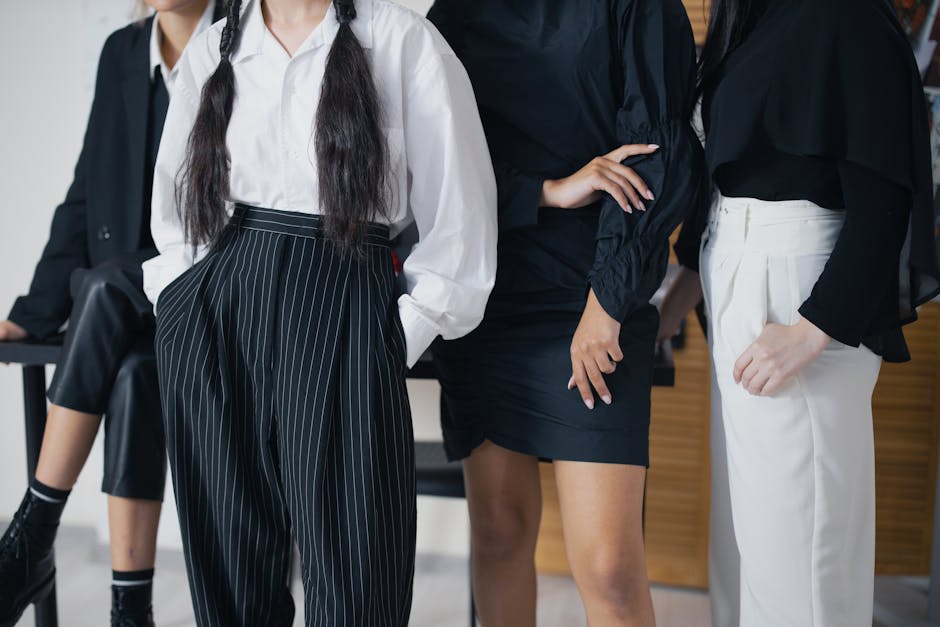
“Smart casual” is the most abused dress code in existence. Invitations use it to mean everything from “don’t wear jeans” to “don’t wear a full suit,” and the gap between those two interpretations is wide enough to get you seriously wrong. The problem isn’t that people don’t care — it’s that most style guidance gives you outfit examples without giving you the logic behind them.
This guide covers the logic first. Get the framework right and any specific outfit decision becomes obvious.
What Smart Casual Actually Means — and Where the Line Is
“Smart” here means structured and intentional, not formal. “Casual” means relaxed, not sloppy. Together they describe a zone where you look like you made a deliberate choice — without looking like you’re attending a board meeting or a black-tie dinner.
The clearest mental model: smart casual sits one step above business casual and at least two steps below cocktail attire. A dinner party at someone’s home, a gallery opening, a rooftop event, a creative industry office, a restaurant above a certain price point — these are all smart casual contexts. A music festival is not. A job interview at a law firm is not.
What makes this dress code genuinely confusing is that “smart” calibrates to context. At a tech startup client dinner, a blazer over dark jeans is unambiguously smart casual. At a hotel bar in central London, those same jeans push toward the casual end. The formula doesn’t change — the calibration shifts based on venue, host, and industry.
The Anchor Piece Rule
Every smart casual outfit needs one piece that signals intention. Call it the anchor — an item that communicates “I thought about this.” Structurally, it’s usually a blazer, a pair of tailored trousers, or a quality leather shoe. Without it, even a nice outfit drifts into “this person just pulled on what was clean.”
The anchor doesn’t have to be your most expensive item. It has to be your most structured one. Fit matters more than label here. A well-fitting blazer with clean lines from a mid-market retailer anchors a look more effectively than a poorly fitted designer piece that doesn’t sit right on your shoulders.
When Smart Casual Is the Wrong Call
If the invitation says “cocktail” or “black tie optional,” smart casual is underdressed. If it says “casual” or “come as you are,” smart casual may be overdressed — depending on the event. Read the venue, the time of day, and how the host typically dresses. Evening events pull calibration toward the smarter end. Daytime outdoor gatherings pull it casual. When genuinely uncertain, wearing one anchor piece too many is almost always a better outcome than showing up underdressed.
The Four-Piece Formula Behind Every Good Smart Casual Look

Strip back any outfit that reads correctly as smart casual and you’ll find the same four components, even when the specific pieces differ completely.
- Anchor piece: One structured item that sets the tone — a blazer, tailored trouser, or quality leather shoe. Establishes the “smart” half of the equation.
- Neutral base: A fitted shirt, plain blouse, or clean crewneck. Not the statement — the supporting act. Lets the anchor do its job without competition.
- Refined casual element: Dark denim, chinos, a midi skirt, or relaxed tailored trousers. The “casual” half. Should fit well and look like a choice, not a default.
- Finishing detail: One deliberate addition — a watch, a structured bag, a leather belt, or a minimal necklace. Completes the look without competing with the anchor.
The power of this system is diagnostic. When an outfit looks “off” and you can’t identify why, check these four. One of them is either missing or being undermined by something else in the look.
Uniqlo’s slim-fit chinos (~$40) function as both refined casual element and partial anchor — structured enough to do real work in this formula. Pair them with a plain white shirt (neutral base) and a single-button blazer from COS or ASOS (anchor), and you have a complete smart casual outfit for under $150. Add a leather belt and the fourth element is covered without spending another cent.
For women, a tailored trouser from Mango’s Essential collection ($60–$80) in navy or camel does the same dual job — structured enough to anchor, relaxed enough to feel casual. A silk or satin blouse as the neutral base, and a quality loafer or block heel as the finishing anchor, and the formula is complete. Nothing else is necessary.
Smart Casual Outfit Combinations by Occasion
The same four-piece formula produces very different looks depending on context. This is how it maps across the most common smart casual scenarios:
| Occasion | Men’s Combination | Women’s Combination | Anchor Piece |
|---|---|---|---|
| Evening dinner party | Slim chinos + Oxford shirt + loafers | Midi skirt + tucked blouse + block heel | Loafer / block heel |
| Gallery opening / arts event | Dark jeans + blazer + white shirt + Chelsea boot | Tailored trousers + silk blouse + pointed mule | Blazer / tailored trouser |
| Creative office / co-working | Chinos + crewneck sweater + clean minimal sneaker | Wide-leg trousers + fitted knit + minimal sneaker | Trousers |
| Wedding reception (evening) | Suit trousers + open-collar shirt + monk strap shoe | Wrap dress + kitten heel or strappy sandal | Shoe / dress silhouette |
| Rooftop bar / casual evening | Dark jeans + blazer + plain tee | Tailored shorts + structured top + strappy sandal | Blazer / structured top |
| Mid-to-high-end restaurant | Tailored chino + fitted shirt + Derby shoe | Shirt dress + leather belt + loafer | Shoe / belt |
Two patterns emerge consistently. Shoes appear as the anchor in half these scenarios. And blazers carry the men’s looks in almost every evening context. These aren’t coincidences — they’re the two most efficient anchor pieces in any smart casual wardrobe.
Shoes Are Doing More Work Than Any Other Single Piece
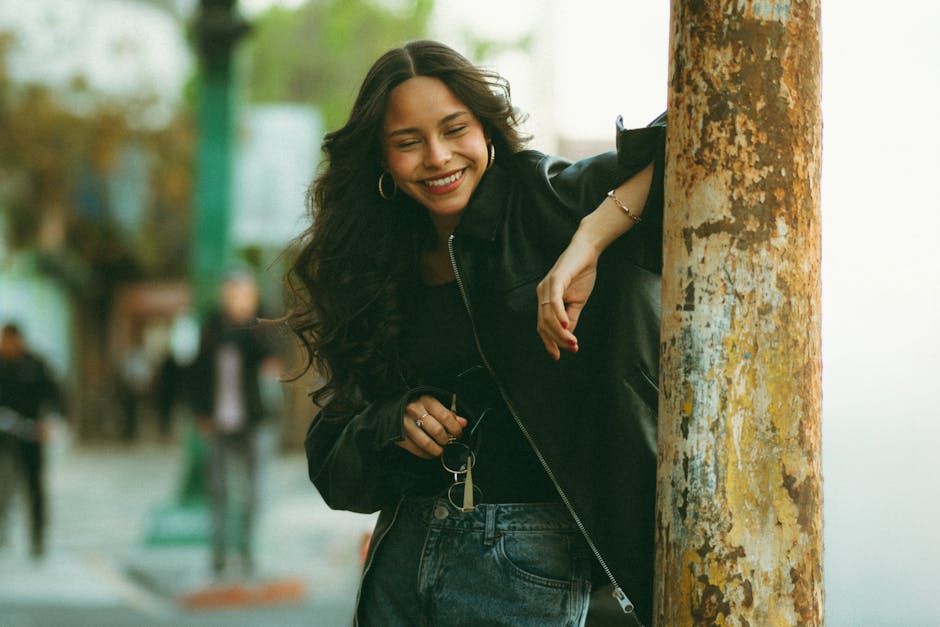
Swap a clean Oxford or suede loafer into any casual outfit and it reads differently immediately. The verdict is direct: leather or suede footwear wins smart casual almost every time. Chelsea boots, Derby shoes, loafers, pointed flats, block heels — all correct. Clean minimalist sneakers like the Veja Esplar ($150) or Common Projects Achilles Low ($450) are acceptable for daytime smart casual only. Worn-out trainers collapse even a great blazer paired with tailored trousers.
How to Build a Smart Casual Wardrobe: Practical Answers
Should you start with basics or statement pieces?
Basics first, every time. A navy blazer, two pairs of well-fitting trousers (one dark, one neutral), three plain shirts or blouses, and one quality leather shoe handles 80% of smart casual situations before you add a single statement piece. Statement pieces don’t elevate a wardrobe with weak foundations — they highlight the gaps.
The best basics-to-price ratio at the mid-range right now: Uniqlo for chinos, knitwear, and Oxford shirts. COS for tailored separates with cleaner contemporary silhouettes. Mango for women’s blazers and relaxed tailored trousers. Massimo Dutti for leather shoes and shirts that hold up past two seasons. Their Oxford leather shoes ($150–$200) consistently outperform others at double the price in terms of longevity.
What does a complete starting wardrobe actually cost?
A functional, versatile smart casual wardrobe for either men or women can be built for $400–$600 with the right priorities:
- 2 pairs of trousers or chinos (one dark, one neutral): $100–$160
- 1 blazer in navy or camel: $80–$150
- 3 shirts, blouses, or tops in solid colors: $90–$120
- 1 quality leather or suede shoe: $120–$180
- 1 belt, bag, or finishing accessory: $40–$80
Spending more than this doesn’t improve the outcome. Fit does. A $45 Uniqlo chino in the correct size and length looks sharper than a $250 chino pooling at the ankle. Get alterations when needed — a $15 hem alteration changes the entire silhouette of a pair of trousers.
Which single piece gives the highest return?
A well-fitting blazer. One blazer in navy or camel works over a plain tee, a formal shirt, a turtleneck, and a blouse. It bridges spring through autumn with the right layering underneath. Reiss has strong options in the $200–$300 range that photograph and wear like pieces priced significantly higher. If that’s too much upfront, ASOS Design’s tailored blazers ($60–$100) are a reasonable entry point — just try before you commit or check the return policy, because fit varies widely across sizes.
Three Mistakes That Consistently Break a Smart Casual Look
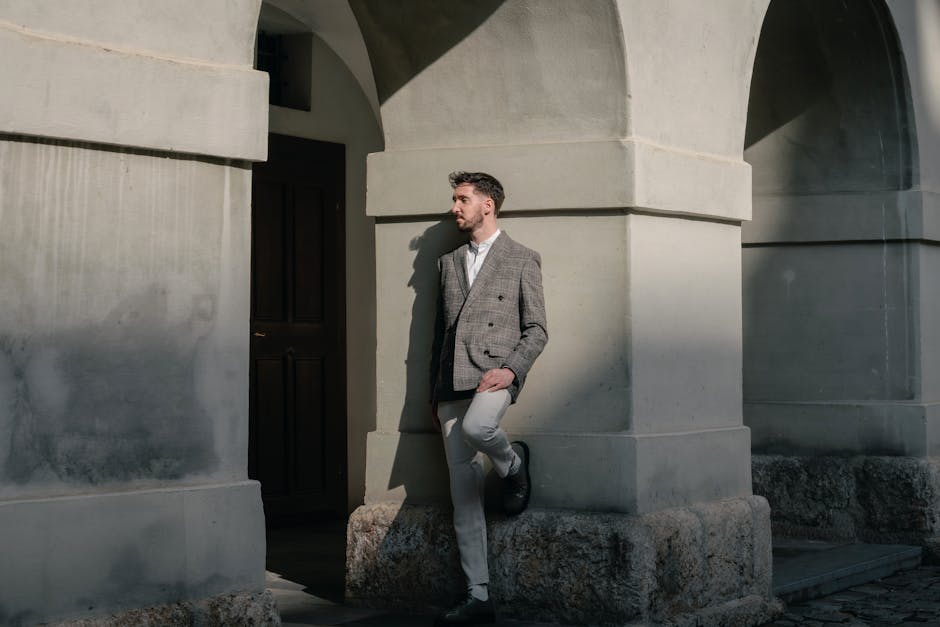
Mistake 1: Treating dark jeans as automatically smart. Dark jeans can work — but only as the “refined casual” element inside a complete four-piece outfit. Dark jeans with a blazer and clean leather shoes reads fine. Dark jeans with a blazer and scuffed trainers reads confused. The jeans themselves don’t carry the look. The combination does.
Mistake 2: Stacking too many statement pieces at once. A patterned blazer, a printed shirt, and textured trousers are each interesting individually — together they compete and cancel each other out. The rule: pick one item to be the feature and make everything else neutral and supporting. Smart casual reads cleanest when one piece is doing something bold and the rest stay quiet behind it.
Mistake 3: Getting the fit wrong and hoping the outfit compensates. It never does. A $30 shirt that fits cleanly looks better than a $200 shirt with extra fabric pooling at the waist. Before adding any new piece to a smart casual wardrobe, ask whether it fits correctly right now — not “after I find the right belt” or “once I break it in.” If the answer is conditional, it’s not the right piece yet.
Seasonal Adjustments: Same Formula, Different Fabrics
The four-piece formula holds year-round. The materials and layers shift.
Spring and summer: Linen replaces cotton-twill chinos. Unstructured linen blazers take over from heavier wool-blend versions. Loafers without socks, strappy sandals, and clean canvas shoes move in at the shoe level. The biggest mistake in warm-weather smart casual is abandoning the anchor piece because of heat. A lightweight unlined linen blazer solves this completely. Uniqlo’s linen slim-fit trousers ($50) with a short-sleeve linen shirt manages 35°C days better than most people expect while still reading as deliberate and put-together.
Autumn and winter: Layering becomes the anchor. A structured wool overcoat over dark jeans and a turtleneck reads smart casual immediately. A cashmere crewneck under a tailored blazer does the same job. COS structured wool coats ($200–$280) and Reiss’s wool-blend overcoats ($300–$400) both pull double duty as anchor pieces for cold-weather occasions where you’ll keep the coat on indoors.
Boots step in as the natural footwear anchor from October onward. Chelsea and Derby styles in leather or suede are the safest choices. The Clarks Hamble Oak Chelsea ($130) hits exactly the right register — clearly intentional without tipping into corporate. Dr. Martens 2976 Chelsea ($170) reads casual-smart and works well for daytime and relaxed evening settings, but it’s not the right call for formal dinner or wedding receptions.
One thing doesn’t change across any season: the anchor piece rule holds regardless of temperature. Warm weather doesn’t exempt an outfit from needing one structured element. A quality shoe, a tailored midi dress, or a well-cut shirt does the work even when layering isn’t happening. Remove the anchor and the outfit isn’t smart casual — it’s just casual.