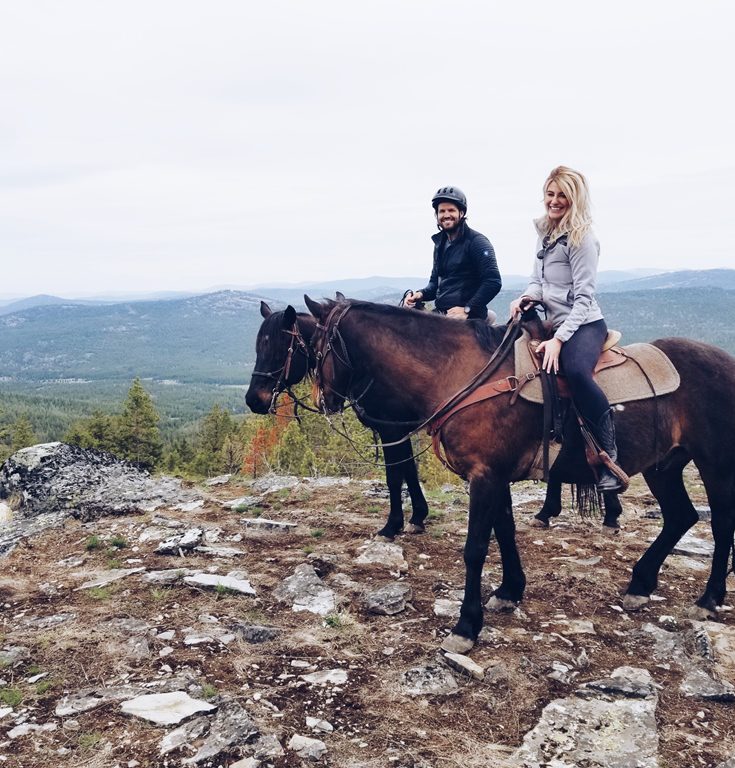
Picture this: you’re heading out. Maybe it’s a crisp morning walk across a windswept field. Maybe it’s an afternoon in town, but the forecast promises a sudden, biting change in temperature. You want to look good, sure, but more than that, you need to be comfortable, protected, and ready for whatever the Big Sky throws your way. You’ve tried fashion trends that fall apart after a season, or technical gear that looks out of place beyond the trailhead. What if there was a way to combine authenticity, durability, and genuine style? Montana fashion isn’t just a look; it’s a philosophy born from necessity and a deep respect for the environment.
Embracing Montana’s Environment: The Core Philosophy of Style
The fashion of Montana isn’t dictated by runway trends. Instead, it’s forged by the demands of a vast, often harsh, and undeniably beautiful landscape. This means practicality comes first, but it doesn’t mean sacrificing aesthetic appeal. It’s a style that speaks of hard work, resilience, and an appreciation for well-made things that last.
Function Over Fleeting Trends
In a place where weather can shift dramatically in a matter of hours, clothing needs to perform. A jacket isn’t just an accessory; it’s a shield against the elements. Boots aren’t merely footwear; they’re tools for traversing varied terrain. This focus on function means garments are chosen for their ability to protect, insulate, and withstand wear. You won’t find delicate fabrics or purely decorative items dominating wardrobes here. Instead, every piece earns its place through utility. Think of it as fashion that earns its keep. This approach favors timeless designs over seasonal fads, ensuring that an investment in quality lasts for years, not just a few months.
The Art of Rugged Durability
Durability isn’t a bonus in Montana fashion; it’s a non-negotiable requirement. Clothing often endures strenuous activities, from ranch work to hiking, and everything in between. This translates to heavy-duty stitching, reinforced stress points, and fabrics that can take a beating. Brands that prioritize longevity, like Filson for their waxed canvas and wool, or Carhartt for their legendary workwear, are staples because their products simply hold up. This focus on tough construction means fewer replacements and less waste, aligning with a more sustainable, considered approach to dressing. It’s about buying better, buying once, and trusting your gear.
Natural Fibers: Comfort and Performance
While synthetic materials have their place in highly specialized outdoor gear, traditional Montana style heavily favors natural fibers. Wool, cotton, and leather are cornerstones, prized for their breathability, insulation, and innate durability. Wool, for instance, offers incredible warmth even when wet, making it ideal for unpredictable conditions. Heavy-duty cotton canvas and denim provide excellent abrasion resistance. Leather, especially full-grain, breaks in beautifully and offers unparalleled protection. These materials not only perform but also develop a unique patina over time, telling a story of their wear and becoming more comfortable with age. They connect the wearer to the natural world, both in their origin and their performance.
Building a Resilient Wardrobe: Key Garments and Materials
Creating a wardrobe rooted in Montana style means making smart choices about the types of garments and, critically, the materials they’re made from. It’s about selecting foundational pieces that can be mixed, matched, and layered to adapt to any situation.
Core Material Choices Explained
Understanding the properties of different materials is crucial for building a truly functional and durable wardrobe. Here’s a quick look at the main players:
| Material | Key Properties | Typical Use | Considerations |
|---|---|---|---|
| Wool | Insulating (even when wet), breathable, odor-resistant, durable. | Sweaters, base layers, socks, outerwear linings, blankets. | Can be itchy; quality varies significantly (Merino vs. coarse wool). |
| Heavy Cotton | Breathable, durable, comfortable, affordable, good abrasion resistance. | Denim jeans, canvas jackets, flannel shirts. | Poor insulator when wet, slow drying. |
| Leather | Extremely durable, water-resistant (when treated), molds to wearer, long-lasting. | Boots, belts, jackets, gloves. | Requires care (conditioning), can be heavy, higher initial cost. |
| Waxed Canvas | Water-resistant, windproof, very durable, develops character. | Jackets, vests, bags. | Can be stiff initially, requires re-waxing over time. |
Essential Outerwear Pieces
A solid outerwear collection is non-negotiable. Look for jackets and vests constructed from robust materials like heavy wool, waxed canvas, or durable denim. A classic denim jacket, often from a brand like Levi’s or Wrangler, offers a versatile mid-layer or light outer layer. For more serious protection, a waxed canvas jacket, perhaps from a heritage brand such as Barbour or Filson, provides excellent wind and water resistance, with pockets designed for utility. A substantial wool coat, like a peacoat or a Mackinaw cruiser from Pendleton, offers superior warmth and timeless style. The key here is not just warmth, but also protection from abrasions and unexpected weather shifts.
Mastering the Layering Principle for Variable Weather
If there’s one golden rule in Montana fashion, it’s layering. The temperature can swing 30 degrees in a single afternoon, and being able to add or shed garments quickly is essential for comfort and safety. This isn’t just about throwing on extra clothes; it’s a strategic system.
-
Base Layer Essentials
The base layer is your first line of defense against both cold and sweat. Its primary job is to manage moisture, wicking it away from your skin to keep you dry. For cooler weather, merino wool is a top choice due to its excellent warmth-to-weight ratio, breathability, and natural odor resistance. Lightweight synthetic blends also work well, especially for higher exertion activities. Avoid cotton directly against the skin in cold conditions, as it absorbs moisture and loses its insulating properties, leading to a chilling effect. A good base layer should fit snugly but not restrict movement.
-
Mid-Layer Versatility
The mid-layer provides insulation. This is where you add or subtract warmth based on the temperature and your activity level. Common mid-layers include flannel shirts (heavy-duty cotton or wool blends), wool sweaters, and fleece jackets. A sturdy wool or flannel shirt from a brand like Pendleton can be worn open over a base layer, buttoned up for more warmth, or even as a light outer layer on milder days. A well-chosen mid-layer can be surprisingly versatile, serving multiple roles throughout the day.
-
Outer Layer Protection
The outer layer, or shell, protects you from wind, rain, and snow. This layer needs to be durable and weather-resistant. Options range from waxed canvas jackets, which offer good water resistance and exceptional ruggedness, to technical shells made from waterproof-breathable fabrics for extreme conditions. For everyday wear in varied conditions, a robust, unlined canvas jacket or a substantial wool coat performs admirably, blocking wind and shedding light precipitation. The outer layer should be sized to comfortably fit over your base and mid-layers without feeling bulky or restricting movement.
Footwear Foundations: Boots That Work As Hard As You Do
There’s no room for flimsy footwear in Montana. Good boots aren’t just an expense; they’re an investment in your comfort, safety, and productivity. Forget fashion boots designed for city sidewalks; you need something built to withstand mud, snow, rocks, and long hours on your feet. For genuine utility and enduring style, a pair of well-constructed, full-grain leather work boots is the clear winner.
The Case for Full-Grain Leather
When it comes to durability and longevity, full-grain leather is unparalleled. This type of leather uses the entire grain of the hide, including the strongest, outermost layer, meaning it will stand up to abuse far better than corrected-grain or bonded leather. It breathes better, resists moisture more effectively (especially when properly treated), and develops a rich patina over time that tells a story of its use. Brands like Red Wing Heritage, Wolverine, and Danner are renowned for their commitment to full-grain leather construction in their work-inspired boots. While the initial cost can be substantial, often starting around $200-$300 for a quality pair, their ability to be resoled and repaired means they can last for decades, making them a more economical choice in the long run than cheaper, disposable alternatives.
Soles and Construction That Endure
Beyond the leather, the construction of the boot is . Look for methods like Goodyear welt or Stitchdown construction. These techniques allow the boots to be resoled repeatedly, extending their lifespan indefinitely. The sole itself should be robust, offering excellent traction on diverse surfaces. Vibram soles are a common and highly respected choice, known for their grip and durability. A substantial shank (a supportive strip, often steel, embedded in the sole) is also critical for arch support and stability on uneven terrain, preventing foot fatigue during long days. Boots designed for this environment often feature a slightly taller shaft, typically 6-8 inches, to offer ankle support and protection from debris and deeper snow or mud.
The True Cost of Quality Outdoor Apparel
Investing in quality Montana-style clothing isn’t about chasing luxury; it’s about valuing utility and longevity. While a well-made wool sweater or a durable pair of boots might have a higher upfront price tag, they are designed to perform reliably for years, often decades, outlasting numerous cheaper alternatives. This approach reduces waste, offers superior comfort and protection, and ultimately proves to be more cost-effective over time. It’s a testament to the idea that true value lies in enduring quality, not fleeting trends.
Beyond the Basics: Practical Accessories and Their Purpose
While the core garments form the backbone of Montana style, accessories aren’t just decorative. They serve crucial functional roles, adding both utility and character to an outfit. They complete the look while providing specific benefits against the elements.
What kind of hat truly offers utility?
A good hat is essential for sun protection in the summer and warmth retention in the winter. For sun, a wide-brimmed felt hat, often from a brand like Stetson or Resistol, provides excellent coverage for the face and neck. These aren’t just for cowboys; they’re practical shields from intense UV rays. In colder months, a well-fitting wool beanie or a traditional trapper hat with ear flaps offers vital warmth, preventing significant heat loss from the head. The utility here is clear: protection from the elements, whether it’s harsh sun, biting wind, or falling snow.
Are denim jeans always the right choice?
Denim jeans are an undeniable staple in Montana fashion due to their ruggedness and versatility. However, they aren’t always the *best* choice for every scenario. For heavy work or extremely cold, wet conditions, insulated canvas work pants or wool trousers might offer superior warmth, water resistance, and freedom of movement. For long days of hiking, specialized technical pants that wick moisture and offer stretch are often more comfortable. That said, a well-fitting pair of heavy-duty denim, typically 12-14oz weight, from a reputable brand, is an excellent everyday option for durability and classic style. The choice hinges on the specific activity and prevailing conditions.
What about belts and bags?
Just like clothing, belts and bags prioritize function and durability. A thick, full-grain leather belt is more than just an accessory; it supports heavy tool belts or simply holds up substantial work trousers for years without stretching or cracking. Look for solid brass or steel buckles. For bags, a robust canvas or leather messenger bag or a durable backpack from brands like Duluth Pack or Filson serves practical purposes, carrying essentials for work, school, or a short trip. These items are chosen for their ability to withstand daily use, often carrying heavy loads, and provide secure storage without compromising on rugged aesthetic.
So, you’re ready to head out again. But this time, you’ve got on that sturdy flannel, a reliable waxed canvas jacket, and those broken-in leather boots. The sudden drop in temperature? No problem, you’re layered. The unexpected downpour? Your outerwear sheds it. You feel comfortable, prepared, and genuinely connected to the environment around you. That’s the real value of Montana fashion: it equips you for life, not just for looking good, ensuring you’re ready for wherever the trail leads.