Did you know that Egyptian textiles were so prized in ancient times that pharaohs were often buried with fine linen, a fabric considered more valuable than gold in some contexts? This ancient legacy of textile excellence continues to shape the quality of scarves available today. Egypt’s rich history in weaving, dyeing, and embroidery has cultivated a unique savoir-faire, making its scarves much more than simple accessories. They are pieces of history, art, and comfort, each telling a story of craftsmanship passed down through generations.
Finding the absolute “best” scarf in Egypt depends heavily on individual needs, style preferences, and intended use. A lightweight cotton scarf perfect for a hot summer day in Aswan won’t serve the same purpose as a luxurious wool blend for a cool Cairo evening. This guide explores the diverse world of Egyptian scarves, helping you navigate materials, identify quality, avoid common pitfalls, and ultimately make an informed purchase that you’ll cherish for years.
The Unexpected Global Impact of Egyptian Textiles
Egypt’s influence on global textile trade stretches back millennia, far beyond the modern fashion industry. Ancient Egyptians mastered flax cultivation and linen production, creating fabrics so fine they were often described as “woven air.” These textiles were not only functional but also symbols of status and religious significance. Fast forward to today, and Egyptian cotton, particularly the long-staple varieties like Giza cotton, remains a benchmark for quality worldwide. This isn’t just a marketing slogan; it’s a testament to specific growing conditions and centuries of agricultural expertise.
When you buy an Egyptian scarf, especially one made from genuine Egyptian cotton or silk, you’re tapping into this deep-rooted heritage. The fibers themselves, combined with traditional weaving techniques, result in fabrics that are incredibly soft, durable, and often more breathable than their counterparts from other regions. This reputation for quality has meant Egyptian textiles, including scarves, have found their way into high-end markets and luxury brands globally, though often without explicit Egyptian branding. The local markets, however, offer a direct connection to this heritage, often at more accessible prices.
Historical Craftsmanship and Global Reach
The legacy of Egyptian craftsmanship isn’t just about raw materials; it’s also about the hands that work them. From the intricate embroidery found on traditional Bedouin scarves to the precise geometric patterns of Coptic textiles, Egyptian artisans have consistently demonstrated a mastery of their craft. Generations of families have specialized in specific textile arts, preserving techniques that might otherwise have been lost. This makes many Egyptian scarves true works of art, not just mass-produced items.
While large-scale textile production has globalized, many workshops, particularly in Upper Egypt and around Cairo, still prioritize traditional methods. These smaller operations often produce limited runs of high-quality scarves, focusing on detail and finish. Their products might not be found in international department stores, but they represent the true heart of Egyptian textile excellence, attracting discerning buyers from around the globe who seek authenticity and unparalleled quality.
Why Egyptian Textiles Stand Out
What sets Egyptian textiles apart, especially for scarves? Primarily, it’s the fiber length and strength of Egyptian cotton, which allows for finer yarns and stronger, softer fabrics. For silk, the climate and traditional sericulture methods contribute to a lustrous, durable thread. Beyond the raw materials, the unique blend of ancient and modern dyeing techniques, often using natural pigments alongside contemporary, colorfast dyes, ensures vibrant hues that resist fading. The distinct patterns, whether inspired by Pharaonic art, Islamic geometry, or desert landscapes, offer a unique aesthetic that is instantly recognizable and deeply connected to Egyptian culture.
Decoding Quality: Materials and Weaves to Prioritize
- Egyptian Cotton: The King of Comfort. When people speak of Egyptian quality, they often mean cotton. Specifically, look for scarves made from Giza cotton. These varieties (like Giza 87, Giza 88, Giza 92) are known for their extra-long staple fibers, which create a fabric that is incredibly soft, smooth, durable, and resistant to pilling. It drapes beautifully and breathes exceptionally well, making it ideal for the warm Egyptian climate. A 100% Giza cotton scarf, often in a plain weave or a fine sateen, offers unparalleled comfort.
- Silk: Luxurious and Luminous. Egyptian silk scarves are less common than cotton but offer a distinct elegance. Often hand-painted or featuring delicate embroidery, silk provides a natural sheen and a luxurious feel against the skin. It’s an excellent choice for formal occasions or for adding a touch of sophistication to any outfit. Look for scarves with a smooth, even texture and vibrant, consistent colors, indicating high-quality silk and dyeing.
- Linen: Breathable and Textured. Linen, made from flax, is perhaps the oldest textile in Egypt. It’s known for its exceptional breathability and strength, making it perfect for summer. Linen scarves have a characteristic slightly crisp texture that softens beautifully with wear and washing. They often have a relaxed, elegant drape and are naturally wrinkle-prone, which adds to their charm. A good linen scarf will feel cool to the touch and have a subtle, natural luster.
- Wool Blends: Warmth for Cooler Months. While Egypt is known for its heat, winters, especially in Cairo and the northern regions, can be cool. For warmth, look for scarves made from fine wool or wool blends, often mixed with silk or cashmere for added softness. These are typically found in more upscale boutiques or during the cooler seasons. A quality wool-blend scarf should feel soft, not scratchy, and offer good insulation without being excessively bulky.
The Supremacy of Giza Cotton
Understanding Giza cotton is key to appreciating Egyptian cotton scarves. Unlike generic cotton, Giza varieties thrive in the fertile Nile Delta. Their long, fine fibers can be spun into incredibly strong, smooth yarns, which then translate into fabrics with a high thread count and exceptional softness. This is why a Giza cotton scarf feels silkier and more luxurious than a standard cotton one. It’s also more resistant to tearing and fraying, ensuring your scarf lasts longer and retains its quality through many washes.
Silk, Linen, and Wool: When to Choose Which
Choosing between silk, linen, and wool depends entirely on your needs. For daily wear in warm weather, a lightweight Giza cotton scarf is unbeatable for comfort and breathability. For elegant evening wear or a touch of luxury, a silk scarf, perhaps with hand-painted details, is the ideal choice. If you prefer a more natural, textured look and prioritize breathability for hot, humid conditions, a linen scarf is an excellent option. For cooler evenings or winter months, a fine wool-blend scarf provides necessary warmth without compromising on style.
Common Pitfalls When Buying Scarves in Egypt
Navigating the bustling markets of Egypt, from the labyrinthine alleys of Khan el Khalili to smaller local souks, is an adventure. However, it also presents opportunities for common buying mistakes. Being aware of these can save you money and ensure you go home with a genuine, high-quality scarf rather than a regretted purchase.
How Can You Spot a Fake Egyptian Cotton Scarf?
It’s easy to be fooled by vendors claiming “100% Egyptian Cotton” for every item. Here’s how to tell the difference. Genuine Egyptian cotton scarves, especially those made from Giza varieties, will feel exceptionally soft and smooth to the touch, almost like silk, but with the distinct crispness of cotton. They often have a subtle sheen. If a scarf feels rough, stiff, or overly synthetic, it’s likely not pure Egyptian cotton, or at best, a lower-grade blend. A simple burn test (on a tiny, inconspicuous thread, if permitted by the vendor) can reveal polyester, which melts into a hard bead, versus cotton, which burns to a soft ash. Look for tightly woven fabrics; loose weaves can indicate lower quality. Also, examine the fringe or edges for neat, durable finishing, a hallmark of good craftsmanship.
Is Haggling Always Expected, and How Much?
In most traditional Egyptian markets, especially tourist-heavy ones like Khan el Khalili, haggling is not just expected, it’s part of the cultural experience. Not attempting to haggle can often mean you’re paying significantly more than the local price. A good starting point is usually to offer about 30-50% of the initial asking price and negotiate upwards from there. Be polite, friendly, and firm. If a vendor is unwilling to budge significantly, it’s perfectly acceptable to walk away; another stall likely has a similar item. However, in fixed-price boutiques or department stores, haggling is generally not appropriate. Knowing the average price ranges (which we’ll cover next) helps you establish a fair offer.
What About Post-Purchase Care?
One common oversight is not asking about care instructions at the time of purchase. While many vendors might not offer detailed labels, inquiring about washing and drying recommendations for specific materials can prevent damage later. For instance, a beautifully hand-embroidered silk scarf will require very different care than a simple cotton one. Assume delicate handling for anything handmade or expensive. If in doubt, always opt for hand-washing in cold water with a mild detergent and air-drying away from direct sunlight. This simple step can significantly extend the life and beauty of your scarf.
Top Scarf Types and Where to Find Them
When searching for Egyptian scarves, focusing on specific types can narrow your search and lead you to truly exceptional pieces. Cairo’s Khan el Khalili is a treasure trove, but local markets and specialized boutiques offer unique finds too.
For the quintessential Egyptian experience, I firmly recommend seeking out the finest Giza cotton scarves for everyday elegance and comfort. For a statement piece, don’t overlook the intricate hand-embroidered silk or linen shawls, often found in artisan workshops.
Essential Summer Scarves: Breathable Cotton
For Egypt’s often scorching climate, a lightweight, breathable cotton scarf is indispensable. Look for plain weave Giza cotton in light colors or traditional patterns. These are excellent for sun protection, modesty, or simply adding a splash of color. They are widely available. You can find excellent quality plain cotton scarves for around 150-300 EGP (approx. $5-10 USD) in mid-range shops within Khan el Khalili or local textile stores around Downtown Cairo. For premium quality with finer weaves, prices can go up to 500-800 EGP (approx. $16-26 USD) at specialized boutiques or larger department stores like Debenhams or specialized local textile houses.
Winter Warmth: Wool Blends and Pashminas
While not a traditional Egyptian textile, fine wool-blend pashminas are very popular for cooler evenings and winter months. These are often imported but can be found in various qualities in Egypt. Look for soft, non-scratchy blends, often with silk or cashmere. Expect to pay around 400-1200 EGP (approx. $13-40 USD) for a good quality wool-blend pashmina, depending on the blend and size. Higher-end boutiques in areas like Zamalek or Maadi will carry the most luxurious options, while larger souvenir shops might offer more budget-friendly (but potentially lower quality) versions.
Formal Statements: Silk and Embroidered Options
For events or a touch of luxury, Egyptian silk scarves or richly embroidered linen/cotton shawls are ideal. These often feature intricate handwork, such as traditional assuit embroidery (silver or gold metallic threads on netting) or colorful Bedouin-style cross-stitch. A hand-painted silk scarf can range from 600-1500 EGP (approx. $20-50 USD) depending on the artist and complexity. Heavily embroidered linen or cotton shawls, especially those with meticulous detail and larger sizes, can command prices from 1000 EGP to over 3000 EGP (approx. $33-100+ USD). These are best sourced directly from artisan workshops or reputable antique/craft shops in areas like Khan el Khalili’s specialized sections, or at local craft fairs.
Price Guide: What to Expect for Quality Egyptian Scarves
Understanding price points helps manage expectations and avoid overpaying. The cost of an Egyptian scarf varies widely based on material, size, complexity of design, and where you purchase it.
| Scarf Type / Material | Typical Size (approx.) | Price Range (EGP) | Price Range (USD) | Where to Buy |
|---|---|---|---|---|
| Basic Cotton Scarf | 150×50 cm | 100 – 250 | $3 – $8 | Local markets, smaller stalls |
| Premium Giza Cotton Scarf | 180×70 cm | 300 – 800 | $10 – $26 | Mid-range shops, textile stores |
| Lightweight Linen Scarf | 180×60 cm | 250 – 700 | $8 – $23 | Artisan stalls, select boutiques |
| Hand-Painted Silk Scarf | 160×50 cm | 600 – 1500 | $20 – $50 | Specialized craft shops, galleries |
| Wool Blend Pashmina | 200×70 cm | 400 – 1200 | $13 – $40 | Upscale boutiques, department stores |
| Embroidered Linen/Cotton Shawl | 200×80 cm | 1000 – 3000+ | $33 – $100+ | Artisan workshops, antique shops |
Entry-Level Cotton Scarves
Entry-level cotton scarves are typically made from standard Egyptian cotton, not necessarily the higher-grade Giza varieties. They are often thinner, machine-hemmed, and come in a wide array of solid colors or simple prints. These are perfect for casual use, as a head covering, or for travel where durability and easy washing are priorities. While inexpensive, ensure the dye is colorfast to prevent bleeding onto other clothes.
Mid-Range Silk and Blends
In the mid-range, you’ll find more refined cotton scarves (often Giza cotton), along with simple silk scarves or blended fabrics that combine silk with cotton or viscose. These offer a noticeable upgrade in texture and drape. They are usually more carefully finished, with neater hems or hand-rolled edges. Designs might include subtle patterns, ombre effects, or delicate embroidery. These pieces strike a good balance between quality and affordability, making them versatile additions to any wardrobe.
Premium Hand-Embroidered Pieces
The highest price points are reserved for scarves featuring exceptional materials, extensive hand embroidery, or unique artisan designs. This category includes pure silk scarves with intricate hand-painting, large hand-loomed linen shawls with detailed patterns, or classic embroidered pieces like the silver-thread assuit shawls. These are often made in limited quantities, reflecting the significant time and skill involved in their creation. Expect these to be investment pieces, but their timeless beauty and craftsmanship make them well worth the cost.
Caring for Your Egyptian Scarf: Longevity Tips
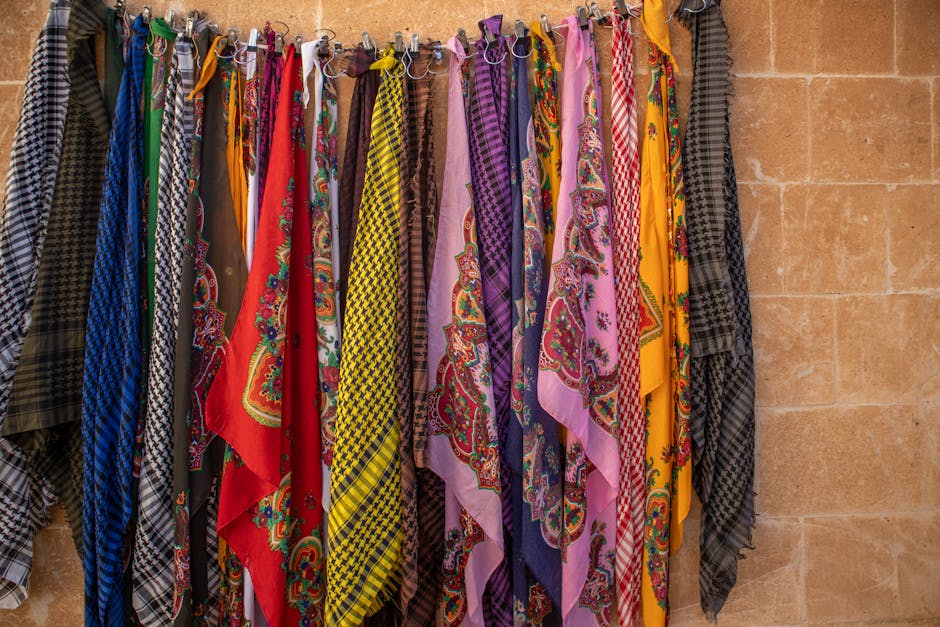
Proper care is essential to maintain the beauty and longevity of your Egyptian scarf. Different materials require different handling, but a general rule of thumb is to treat handmade or delicate items with extra gentleness. Neglecting care instructions can lead to fading, shrinking, or damage to delicate fibers and embellishments.
Washing Cotton and Linen
Most Egyptian cotton and linen scarves can be hand-washed or machine-washed on a delicate cycle with cold water. Use a mild, pH-neutral detergent. For machine washing, place the scarf in a mesh laundry bag to prevent snagging. Avoid hot water, as it can cause shrinking or fading, especially with darker dyes. Always air dry your cotton and linen scarves. Lay them flat on a clean towel or hang them over a drying rack, away from direct sunlight, which can cause colors to fade. Ironing on a medium-hot setting while slightly damp will help remove wrinkles and restore their crispness.
Handling Silk and Wool with Care
Silk and wool scarves require more delicate handling. Hand-washing is almost always recommended. Use cold water and a specialized silk or wool detergent. Gently swish the scarf in the water for a few minutes, avoiding harsh scrubbing or twisting, which can damage fibers or embroidery. Rinse thoroughly with cool water. Never wring silk or wool. Instead, gently press out excess water with a clean towel. Air dry flat, away from direct heat or sunlight. Dry cleaning is also a safe option for silk and wool, especially for heavily embroidered or particularly delicate pieces. Avoid hanging wet silk or wool scarves, as this can distort their shape.
The Single Most Important Factor for Your Purchase
Ultimately, the single most important factor when choosing an Egyptian scarf is how it feels against your skin and how it makes you feel when you wear it.