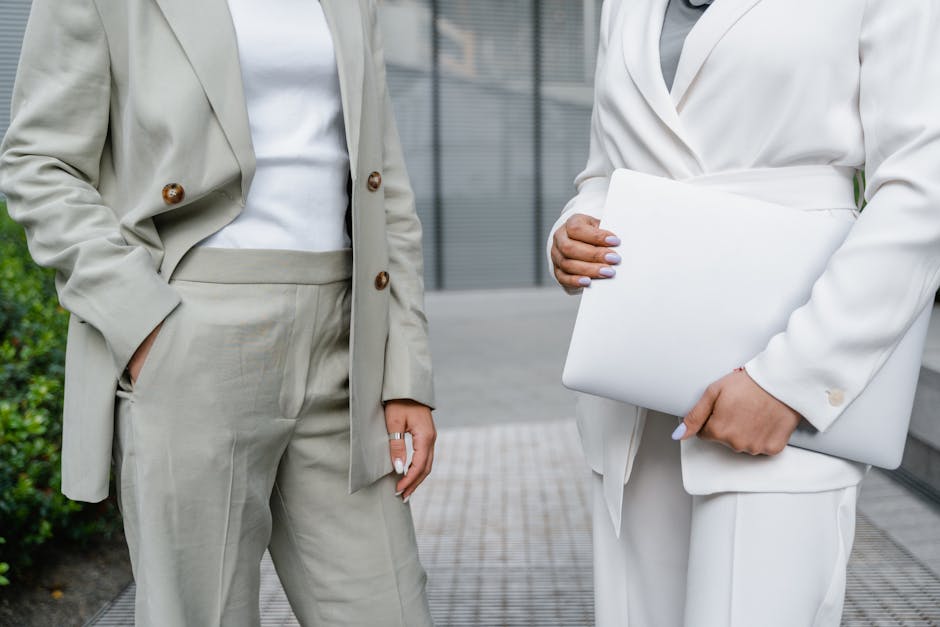
Ever wonder why some blazers look sharp for years while others feel like a sack after a few wears? You’ve probably seen the endless discussions on Reddit about finding the best quality blazers. I’ve been down that rabbit hole myself, buying way too many blazers that just didn’t hold up, didn’t fit right, or felt cheap after a couple of dry cleans. After years of trial and error, spending good money and bad, I’ve finally figured out what actually matters. Seriously, save yourself the hassle.
What Even Makes a Blazer ‘Good Quality’ Anyway?
Look, if you’re asking about quality, you need to understand the fundamentals. This isn’t about brand names first; it’s about what’s actually under the hood. Most guys miss this. They look at the tag or the price, but completely ignore the construction. That’s a huge mistake that costs money and leaves you with ill-fitting garments.
When I talk about quality, I’m talking about how it’s put together, the materials, and the small details that make a blazer drape well, keep its shape, and last. These are the things that separate a true investment piece from fast fashion junk. Don’t fall for the hype. Focus on these three areas, and you’ll immediately elevate your game.
Fabric Composition: Wool is King
This is non-negotiable for a versatile, quality blazer. You want wool. Not polyester, not some weird synthetic blend that pills after three wears. Wool drapes better, breathes better, and looks significantly more refined. For most uses, a high-quality virgin wool, maybe a Super 100s to Super 130s, is perfect. It’s durable enough for regular wear but still feels soft. Linen and cotton blends have their place for summer, but they wrinkle easily and don’t offer the same structure or longevity. Stick with wool for your core blazers. If you find a wool/cashmere blend for around $500-$700, that’s a fantastic deal for extra softness and drape, especially if it’s from a reputable mill like Vitale Barberis Canonico or Loro Piana. Avoid anything that feels like plastic.
Construction: Fused, Half-Canvas, or Full-Canvas?
This is where things get serious, and it’s often overlooked. Most cheap blazers are "fused." This means the interlining (the fabric that gives the jacket its shape) is glued to the outer fabric. It’s cheap to produce, but it breaks down over time. The glue can bubble, creating an unsightly rippling effect on the chest and lapels. It also doesn’t mold to your body. Don’t buy fused if you can help it.
Half-canvas construction is a significant step up. The chest and lapel area have a canvas layer stitched in, while the rest is fused. This allows the jacket to drape naturally and conform to your body over time, without the bubbling risk. You can usually find great half-canvas blazers from brands like SuitSupply or Spier & Mackay for around $400-$700. This is the sweet spot for many guys looking for quality without breaking the bank.
Full-canvas is the gold standard. The entire front of the jacket has a canvas interlining that floats freely between the outer fabric and the lining. This allows for superior drape, breathability, and durability. A full-canvas blazer will mold to your body over years of wear, creating a truly custom feel. Expect to pay $800+ for off-the-rack full-canvas, and much more for bespoke. Brooks Brothers’ "Golden Fleece" line often features full-canvas construction, with blazers typically ranging from $1,000 to $1,500.
Details That Matter: Buttons and Stitching
Don’t sleep on the small stuff. Good blazers use real horn, mother-of-pearl, or corozo buttons. Plastic buttons are a dead giveaway of cheap quality and feel awful. Also, check the stitching. It should be even, tight, and inconspicuous. Loose threads or uneven seams are signs of rushed production and poor quality control. Quality brands pay attention to these details because they know they contribute to the overall lifespan and appearance of the garment.
Price vs. Performance: My Go-To Brands
I’ve bought blazers from every price point, and I can tell you exactly where your money is best spent. Forget those $100 fast-fashion blazers; they’re a waste. But you don’t need to spend $2000 either, unless you really want to. Here’s my breakdown.
Spier & Mackay: The Mid-Tier Champion
If you’re looking for the best bang for your buck, it’s Spier & Mackay, hands down. Their blazers, often half-canvas and made from excellent Italian wool, are consistently priced around $300-$500. They offer a fantastic range of fits, from slim to contemporary, and the construction quality for the price is unmatched. I’ve got three of their blazers, and they look as good as some of my higher-end pieces. Their seasonal sales are also legendary, often bringing prices down to around $250. For a solid workhorse blazer that looks expensive without being expensive, start here.
SuitSupply: Great for the Modern Fit
SuitSupply gets a lot of love, and for good reason. They specialize in modern, sharp cuts and use good quality fabrics. Their blazers are almost always half-canvas, and you can expect to pay around $400-$700. They have a wider variety of styles and patterns than Spier & Mackay, often with a more fashion-forward edge. If you want something that feels a bit more European and contemporary, SuitSupply is a solid choice. Just be aware their fits can be quite slim, so know your measurements.
Brooks Brothers: For Classic Investment Pieces
For something truly timeless, especially if you lean towards traditional American style, Brooks Brothers is a reliable choice. Their classic "1818" line blazers are usually half-canvas and made from excellent wool. You’ll often find them for $600-$900, but they run sales frequently. Their "Golden Fleece" line, as mentioned, often features full-canvas construction, pushing prices over $1,000. These are blazers you buy once and wear for decades. They’re built to last, and the classic styling never goes out of fashion. They might not be the "Reddit darling" for value, but their quality is undeniable.
Stop Buying the Wrong Fabric
I’m just going to say it: quit buying blazers made of anything other than wool. Unless it’s a very specific summer linen blend for extreme heat, you’re sacrificing drape, durability, and overall appearance for a few bucks. It’s not worth it. Period.
Sizing and Fit: You’re Probably Doing It Wrong
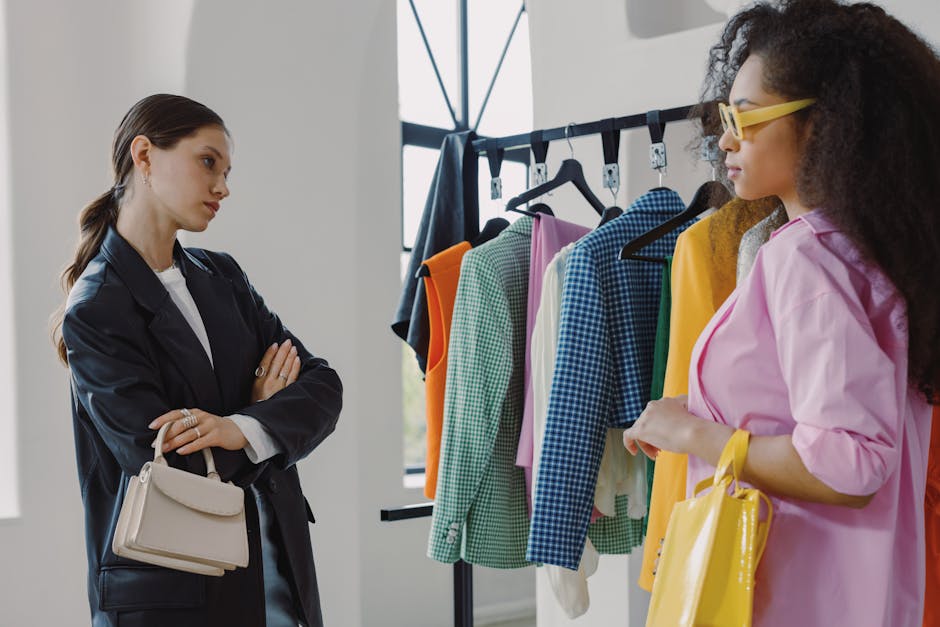
I’ve seen too many guys buy a killer blazer, only for it to look terrible because the fit is off. This is the biggest mistake you can make. A $100 blazer that fits perfectly will look better than a $1000 blazer that doesn’t. You need to know these basics, and you might need a tailor. This isn’t optional.
-
Shoulder Fit: The Absolute Non-Negotiable
The shoulders are the most critical part of a blazer’s fit. The seam should sit precisely where your shoulder ends. If it’s too wide, you’ll look like a child playing dress-up. Too tight, and it will pull and wrinkle, making you look uncomfortable. Shoulders are almost impossible and expensive to alter, so get this right off the rack. This is the one thing you absolutely cannot compromise on.
-
Sleeve Length: Get It Right
Your blazer sleeves should end right at your wrist bone, exposing about a quarter to a half-inch of your shirt cuff. Too long makes you look sloppy; too short looks like you borrowed it. Most off-the-rack blazers will have sleeves that are too long for me, so I factor in tailoring costs (usually $30-$50) when I buy. This is a simple alteration that makes a huge difference.
-
Jacket Length: Modern vs. Classic
A good rule of thumb for modern blazers is that the hem should cover your behind. For a more traditional look, it might extend slightly lower, hitting around the middle of your hand when your arms are relaxed at your sides. Don’t go too short; it looks like a shrunken suit jacket. Don’t go too long; it looks dated and swallows your frame. It’s a balance, and personal preference plays a role, but generally, aim for coverage without excess.
My Personal Top 3 Blazer Types & Why
After years of building my wardrobe, these are the blazers I find myself reaching for most often. They cover almost every situation you’ll encounter.
What’s the most versatile blazer to own?
Hands down, a navy hopsack wool blazer. Hopsack is a weave that’s breathable, wrinkle-resistant, and has a great texture that makes it less formal than a smooth worsted wool suit jacket. It pairs with almost anything: jeans, chinos, grey trousers, even some tailored shorts. You can dress it up with a tie and dress shirt, or down with a t-shirt. Brands like Spier & Mackay excel at this, often offering them for around $350. If you only own one blazer, make it this one.
Is a linen blend ever worth it?
Yes, but only for specific warm-weather situations. A good quality linen/wool or linen/cotton blend (like 70% linen, 30% wool) is excellent for summer weddings, garden parties, or business casual in hot climates. The wool blend helps mitigate some of the extreme wrinkling pure linen is famous for. I own one from J.Crew that I picked up on sale for $220, and it’s perfect for those scorching days when wool feels too heavy. Just know it’s not a year-round workhorse.
What about a double-breasted?
A double-breasted blazer is a statement piece, not a daily driver. It’s fantastic for adding a touch of old-school elegance or a strong fashion-forward edge. I recommend a navy double-breasted with brass buttons if you’re going for classic, or a charcoal wool for something a bit more subdued. SuitSupply has some excellent options in the $500-$700 range. Just make sure the fit is impeccable – a poorly fitting double-breasted blazer looks even worse than a single-breasted one.
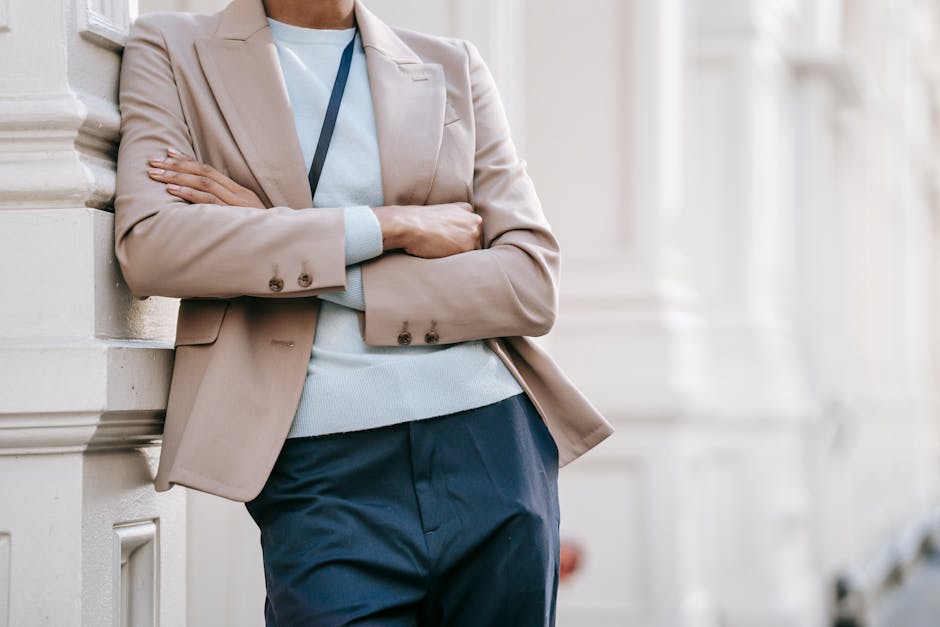
The Real Cost of a Cheap Blazer: A Comparison
| Feature | Cheap Fused Blazer ($100-$250) | Quality Half/Full-Canvas Blazer ($400-$1000+) |
|---|---|---|
| Fabric Quality | Synthetic blends, thin wool, prone to pilling and shine | 100% Virgin wool, premium blends (cashmere), durable, breathable |
| Construction | Fused (glued interlining), prone to bubbling and losing shape | Half-canvas or Full-canvas, stitched interlining, molds to body |
| Drape & Shape | Stiff, boxy, lacks natural drape, quickly sags | Fluid, molds to body, maintains sharp silhouette, excellent drape |
| Durability | 1-2 years max before looking worn out, fabric degrades | 5-10+ years with proper care, fabric and construction hold up |
| Tailoring Potential | Limited, not worth the cost for extensive alterations | Excellent, worth investing in alterations for a perfect fit |
| Overall Look | Looks cheap, disposable, often wrinkles badly | Looks refined, polished, conveys confidence and style |
Why That Fast-Fashion Blazer Falls Apart
I’ve been there, thinking I could get away with a blazer from Zara or H&M for a quick event. But every single time, I regretted it. The fabrics pill, the shoulder pads are cheap, the lapels never sit right, and after one dry clean, it looks like it’s aged five years. The "cost" isn’t just the sticker price; it’s the fact that you’ll have to replace it constantly. It’s a false economy. You spend $150 three times over five years instead of $450 once for something that lasts 10 years and looks better the entire time.
Investing in Longevity: The Tailoring Factor
A quality blazer is an investment, and part of that investment is making sure it fits you perfectly. Because the construction is better, a good blazer can be altered significantly without compromising its integrity. You can take in the waist, shorten sleeves, even adjust the back. It’s worth spending an extra $50-$100 on tailoring to get a truly bespoke-like fit from an off-the-rack garment. You simply can’t do that with a cheap, fused blazer without ruining it.
So, here’s my final word: stop chasing the cheapest option. If you only buy one blazer this year, make it a half-canvas wool blazer from Spier & Mackay. Get it in a versatile navy hopsack. You won’t regret the $300-$500 investment, and you’ll have a blazer that outlasts and outperforms anything else in its price range.