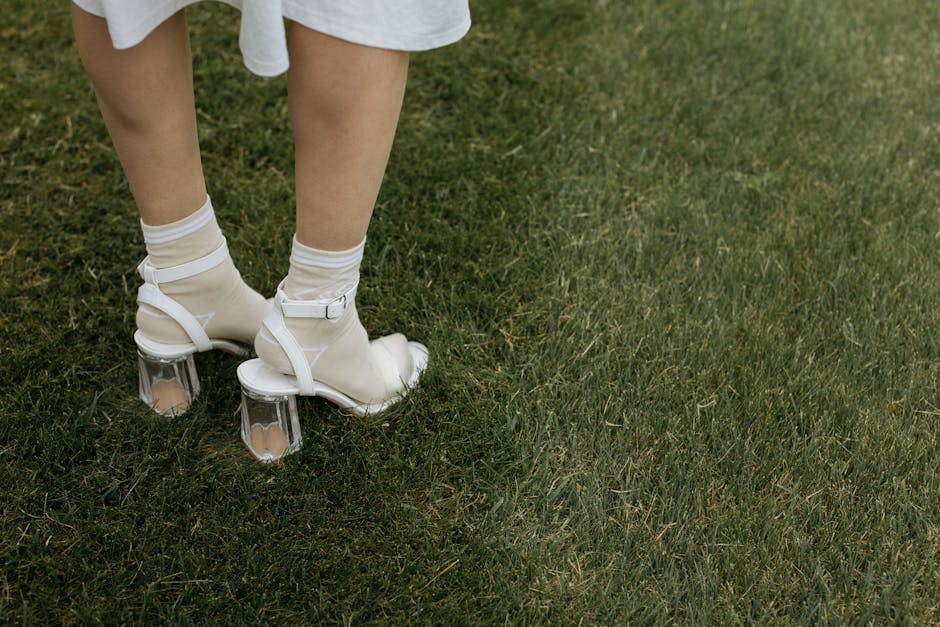
Walking into a department store and seeing a wall of stilettos can feel like navigating a minefield of bad investments. We have all been there—drawn in by a shimmering satin finish or a trendy silhouette, only to find that after three hours of wear, the shoes are literally falling apart or, worse, our feet are screaming in protest. The concept of value in footwear is often misunderstood as simply being the lowest price tag available. However, true value represents the intersection of material durability, ergonomic design, and a price point that doesn’t require a second mortgage. When we talk about the best value heels, we are looking for those rare unicorns that offer the structural integrity of a four-figure designer shoe at a fraction of the cost. It requires a bit of detective work to look past the branding and evaluate what is actually holding your foot up off the ground.
Understanding Value vs. Price in Heel Construction
To find a pair of heels that actually deserves your hard-earned money, you have to look at the anatomy of the shoe. Most fast-fashion heels are held together with nothing but hope and low-grade industrial glue. When you pay a bit more—typically in the $100 to $200 range—you are often paying for better internal engineering. The most critical component you cannot see is the shank. This is a thin strip of metal or reinforced plastic buried in the sole that provides the structural backbone of the heel. In budget-tier shoes, the shank is often flimsy or non-existent, leading to that terrifying feeling of the heel “giving way” or wobbling as you walk. A high-value heel will have a tempered steel shank that ensures the shoe maintains its shape and supports your weight evenly across the arch.
Material Integrity: Leather, Suede, and the Synthetic Trap
Materials are the primary driver of cost, but they are also the primary driver of longevity. Genuine leather is almost always a better value than synthetic “vegan” leather (polyurethane or PU) for one simple reason: it breathes and molds. Synthetic materials are essentially plastic; they do not stretch to accommodate the natural swelling of your feet throughout the day, and they trap heat, leading to blisters. More importantly, PU has a shelf life. It undergoes a chemical process called hydrolysis where the material begins to peel and crack after a few years, regardless of how well you treat them. Leather, if conditioned, can last a decade. If you are looking for the best value, prioritize suede or full-grain leather. Suede is particularly forgiving because it hides scuffs better than smooth leather and tends to be softer right out of the box. If you must go synthetic for ethical or budgetary reasons, look for high-quality microfibers which offer better durability than standard PU.
Internal Engineering: Shanks, Insoles, and Pitch
The “pitch” of a heel refers to the angle at which your foot sits. A poorly designed pitch puts all the pressure on the ball of your foot, while a well-engineered pitch distributes weight back toward the heel. When evaluating value, look at the insole padding. High-value brands often incorporate dual-density foam or Poron—a medical-grade foam that doesn’t bottom out over time. Another tell-tale sign of quality is the heel tap (the little plastic bit at the bottom). Is it screwed in or just glued? Is there an extra pair in the box? These small details indicate that the manufacturer expects the shoe to last long enough to need a repair. Also, pay attention to the lining. A leather-lined shoe will prevent your foot from sliding around, which is a major cause of instability and pain in cheaper, polyester-lined alternatives.
The Best Value Heels on the Market Right Now
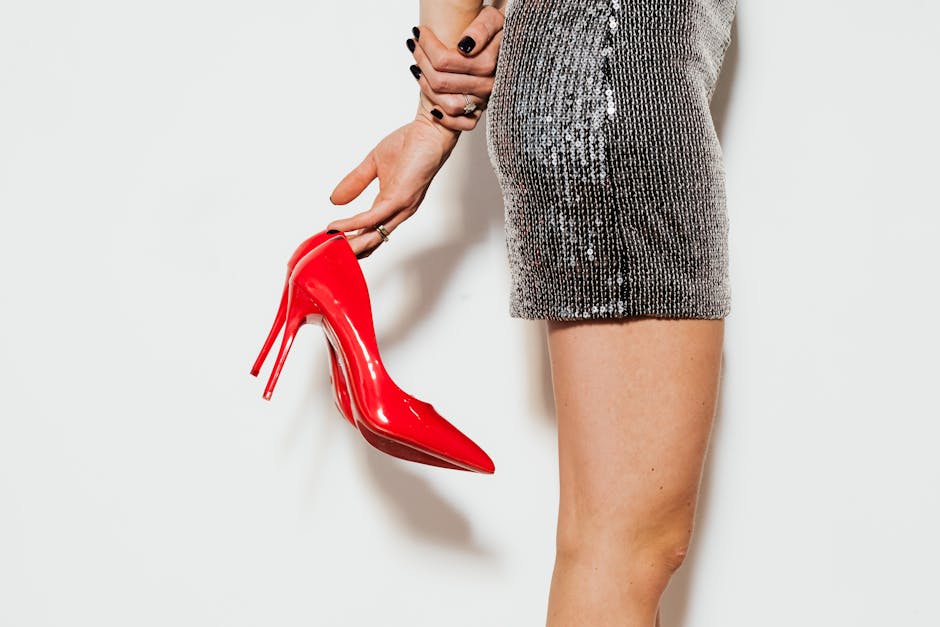
Finding the right balance between style and substance means looking at brands that have spent decades perfecting their lasts (the mechanical forms shoes are built on). The following recommendations are based on a combination of material quality, user feedback regarding long-term comfort, and the ability of the shoe to withstand regular use in professional and social environments. These aren’t the cheapest shoes on the rack, but they represent the highest return on investment for your wardrobe.
| Model | Approx. Price | Primary Material | Pros | Cons |
|---|---|---|---|---|
| Sam Edelman Hazel | $140 | Leather/Suede | Classic silhouette, massive color range | Thin sole wears down quickly |
| Naturalizer Vera | $110 | Leather/Synthetic | Superior arch support, stable block heel | Styling can feel a bit conservative |
| Marc Fisher Zala | $160 | Leather/Suede | Timeless pointed toe, very sturdy | Heavier than a standard pump |
| Everlane The Day Heel | $150 | Italian Leather | Elasticized back prevents slipping | Minimal arch padding for high arches |
| Margaux The Heel | $295 | Italian Suede | 5mm of plush padding, inclusive sizing | Higher initial investment |
The Professional Standard: Sam Edelman Hazel
The Sam Edelman Hazel is widely considered the gold standard for mid-tier pumps. At roughly $140, it mimics the silhouette of a $700 Christian Louboutin or Gianvito Rossi but with a much more forgiving fit. The value here lies in the variety; it comes in dozens of finishes and widths. The 3.75-inch heel is tall enough to be elegant but positioned well enough for a full workday. The main drawback is the outsole. It is a smooth synthetic material that can be slippery on polished floors and offers little protection against the elements. If you buy these, consider having a cobbler add a thin rubber “topy” to the bottom for an extra $20. This small upgrade transforms a good shoe into a great one that will last several seasons of heavy commuting.
The Comfort Champion: Naturalizer Vera
Naturalizer has undergone a significant brand refresh in recent years, moving away from its “sensible shoe” reputation toward something much more contemporary. The Vera dress sandal is perhaps their best offering. It features a 2.5-inch block heel, which provides a much larger surface area for stability than a stiletto. The value is found in their Contour+ technology—an internal sculpting that actually follows the shape of a woman’s foot. For around $110, you are getting a shoe that you can actually wear to a wedding and dance in for six hours without needing to carry flip-flops in your bag. The materials vary by colorway, so stick to the leather or suede options to ensure the straps don’t dig into your skin as the day progresses.
The Modern Workhorse: Marc Fisher Zala
If you prefer a closed-toe pump but find stilettos too precarious, the Marc Fisher Zala is the answer. It features a substantial block heel that offers height without the wobble. The construction is impressively solid for the $160 price point. The leather used is typically thicker than what you find at Zara or H&M, meaning it holds its shape and doesn’t develop those unsightly “ripples” around the toe box. It is a heavy shoe, which might feel strange at first if you are used to lightweight synthetics, but that weight translates to durability. It is a true workhorse that can handle daily wear in an office environment for years.
The Sustainable Minimalist: Everlane The Day Heel
Everlane took a different approach to the heel by focusing on the “ballet flat” comfort level. The Day Heel features a rounded toe and a 2-inch block heel. The standout feature is the elasticized back. One of the biggest issues with heels is the back of the shoe slipping off or rubbing against the Achilles tendon. The elastic eliminates this entirely. Made in a family-run factory in Italy, the leather quality is exceptional for $150. It is soft, buttery, and requires zero break-in time. However, because the sole is quite thin and flexible, it doesn’t offer the same rigid arch support as a more traditional pump. It is the best value for someone who values portability and a minimalist aesthetic.
The Luxury-Adjacent Choice: Margaux The Heel
At nearly $300, the Margaux heel sits at the top end of the “value” spectrum, but it earns its place through sheer engineering. Margaux offers an incredibly wide range of sizes (33 to 45) and three different widths. For anyone who has ever struggled to find heels because their feet are too narrow or too wide, the value of a perfect fit cannot be overstated. These shoes feature 5mm of foam padding, which is significantly more than the industry standard. The suede is sourced from top-tier Italian tanneries. While the price is higher, the cost-per-wear often ends up lower because the fit is so precise that you are more likely to reach for them every single day. They represent the bridge between mid-market and true luxury.
Maximizing Your Return on Investment Through Care
Buying a high-value heel is only half the battle. The other half is ensuring that you don’t destroy that value through neglect. Even a $300 shoe will look like garbage after three months if you walk through puddles and never condition the leather. Value is a long-term metric. If you buy a pair of $150 heels and they last five years, you’ve paid $30 a year. If you buy $40 heels every six months because they break or become too painful to wear, you are actually spending more over time. This is the “boots theory” of socioeconomic unfairness applied to fashion: it is expensive to be cheap.
Investing in a high-quality pair of heels is a waste of money if you treat them as disposable. A small amount of preventative maintenance can triple the lifespan of your footwear.
The Role of the Professional Cobbler
A good cobbler is a value-seeker’s best friend. Most people wait until their shoes are falling apart before seeking professional help, but the best time to visit a cobbler is right after you buy a new pair. As mentioned with the Sam Edelman Hazel, adding a rubber sole protector (often called a half-sole) can prevent the leather or synthetic sole from wearing through to the inner layers. This costs about $20-$30 but can save you from having to replace the entire shoe. Similarly, keep an eye on your heel taps. Once you wear through the plastic and start hitting the metal pin inside the heel, you are damaging the structural integrity of the shoe. Replacing a heel tap is a five-minute, $10 job for a pro. If you wait until the heel itself is ground down, the shoe may be beyond saving.
Daily Maintenance and Rotation
One of the simplest ways to preserve value is to never wear the same pair of heels two days in a row. Leather is a porous material that absorbs moisture from your feet. It needs at least 24 hours to fully dry out and return to its original shape. If you wear them daily, the leather stays damp, which leads to stretching, odors, and eventual structural failure. Using cedar shoe trees can further assist in drawing out moisture and maintaining the shape of the toe box. For suede heels, a simple $10 suede brush and a water-repellent spray are non-negotiable. Brushing your shoes after each wear removes the dust and grit that acts like sandpaper on the fibers. By taking these small, deliberate steps, you ensure that your “value” purchase remains a staple of your wardrobe for years, rather than a fleeting moment of style that ends up in a landfill.
Ultimately, the best value heels are the ones that you actually wear. A bargain is not a bargain if the shoes sit in your closet because they hurt your feet. By focusing on leather materials, checking for a sturdy internal shank, and being willing to spend slightly more upfront for a reputable brand, you can build a footwear collection that is both stylish and sustainable. Look for the brands that offer consistency in their fit and don’t be afraid to invest a few extra dollars in professional maintenance. Your feet, and your bank account, will thank you in the long run.