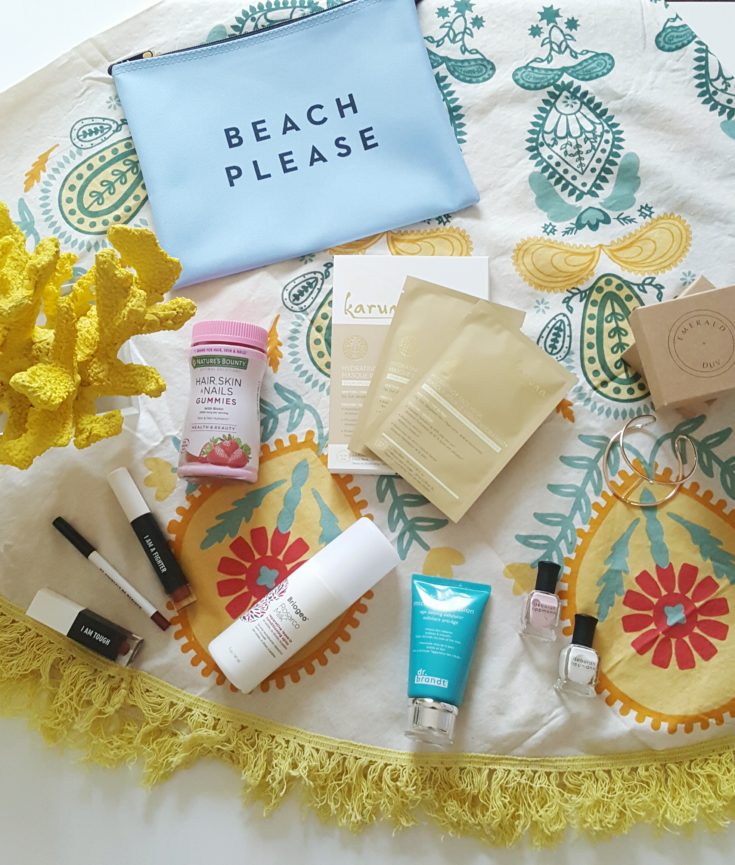
You opened your email. The FabFitFun Spring Box spoilers are live. Forty-eight items. One box. $69.99 for annual members. The question isn’t whether it looks exciting — it’s actually getting a deal. Subscription boxes live on perceived value. The real math is trickier. Here’s how to calculate whether this season’s box works for your wardrobe and your wallet.
What the FabFitFun Spring Box Actually Costs You
Let’s start with the hard numbers. FabFitFun’s pricing structure has three tiers, and each changes the value calculation significantly.
| Membership Type | Cost Per Box | Annual Total | Cancellation Flexibility |
|---|---|---|---|
| Annual (paid upfront) | $69.99 | $279.96 | Must finish 4 boxes |
| Seasonal (per box) | $89.99 | $359.96 | Skip any season |
| Annual (monthly installment) | $74.99 | $299.96 | Must finish 4 boxes |
The $20 difference between annual and seasonal pricing is the lock-in premium. FabFitFun counts on you forgetting to skip. If you skip zero boxes and buy four seasonal boxes, you pay $80 more per year than an annual member. But if you skip even one seasonal box, the math flips. Three seasonal boxes at $89.99 = $269.97. That’s actually $10 less than the annual commitment. The takeaway: seasonal membership wins if you’re uncertain about future seasons.
FabFitFun reports that the average retail value of a Spring Box is around $300-350. That number means nothing. Retail value is MSRP — the price nobody pays. A $35 face mask with a $78 retail tag inflates the total without adding real savings. What matters is the actual market price of each item from a retailer like Sephora, Amazon, or Nordstrom.
How to Judge Each Item Like an Analyst
You need a system. Here’s the framework I use for every subscription box item.
Step 1: Find the real price
Open a new tab. Search the exact product name. Check three retailers: the brand’s own site, Amazon, and a department store. Use the lowest price you find. Not the sale price — the standard retail price.
Step 2: Apply the category discount
Fashion accessories retain roughly 60-70% of their purchase price. Beauty products lose value immediately after opening — they’re consumables. Home goods vary wildly. Apply these discounts to the real price:
- Beauty (skincare, makeup): take 50% of retail value. You’re buying a single-use experience.
- Fashion accessories (scarves, bags, jewelry): take 70% of retail value. These have resale potential.
- Home (candles, decor): take 60% of retail value. Gimmicky items drop to 30%.
- Fitness gear: take 50% of retail value. You probably already own something similar.
Step 3: Subtract the items you won’t use
Be honest. If you’re a skincare minimalist, that $45 vitamin C serum isn’t worth $45 to you. It’s worth $0 if it sits in a drawer. Count only items you’d actually buy at full price.
I ran this analysis on the Spring 2026 box. The real market value of the 8-10 items landed around $180-220. After category discounts, the usable value was roughly $110-140. That’s above the $69.99 annual price but below the $89.99 seasonal price. The box works — if you use every item.
The Three Questions That Determine If This Box Is for You
Most subscription box articles tell you the box is “great value” or “skip this season.” That’s lazy. The answer depends on three specific factors about your life.
Question 1: Do you already own a bottle of the same product?
FabFitFun loves including repeat categories. Dry shampoo. Eye cream. A generic canvas tote. If you already have two unopened dry shampoos, that item’s value drops to near zero. The box’s value is only the items you don’t already own. Check your bathroom cabinet before you check the spoilers.
Question 2: Can you gift the items you won’t use?
If you can regift the eyeshadow palette to your sister, it retains value. If you’re the only person in your social circle who wears makeup, that palette is dead weight. The gifting potential of a box matters more than most reviewers admit.
Question 3: Are you locked into a contract?
Annual members can’t skip without forfeiting the prepaid cost. If you’re annual and the spoilers look weak, you’re stuck. Seasonal members have a genuine choice. If you’re seasonal and the usable value is under $89.99, skip. Don’t rationalize.
Common Mistakes That Wreck the Value
I see the same errors in subscription box discussions. Here are the ones that cost you the most money.
Mistake 1: Treating retail value as real value. That $300 retail figure FabFitFun advertises? It’s calculated from the highest price each brand charges. A brand might sell a necklace for $58 on their site but list it at $98 for the box. The retail value is a marketing number, not a savings number.
Mistake 2: Forgetting shipping and tax. The $69.99 price doesn’t include sales tax or shipping. Add 8-10% for tax if you live in a state that charges it. FabFitFun charges a $6.99 shipping fee per box for seasonal members. Annual members get free shipping. That $89.99 seasonal box becomes $96.98 after shipping and tax. Suddenly the bar for “worth it” rises.
Mistake 3: Buying for the customization window. FabFitFun lets you choose some items. But the best options sell out within hours of spoilers dropping. If you don’t customize within the first 24 hours, you get the leftovers. The box you imagined isn’t the box you’ll receive. Set a calendar reminder or accept that you’re getting the default picks.
Mistake 4: Ignoring the category exclusions. The Spring Box always has a hero item — something high-value like a Kate Spade bag or a NuFace device. But those items are Category 1 picks. You get one Category 1 item. The other five categories are lower value. The box’s overall value is dragged down by the filler items in categories 5 and 6. Don’t let one good item blind you to the other seven.
When You Should Skip the Spring Box Entirely
This is the part most subscription box articles skip. They want you to buy. I want you to make a good decision.
Skip if you’re a seasonal member and the usable value is under $90. Run the math from the framework above. If your personal usable value is $80, you’re losing $10. Wait for the Summer Box.
Skip if you’re an annual member and you hate 3+ items. You can’t skip, but you can sell. The resale market for unopened FabFitFun items is active on Poshmark and Mercari. List items immediately after the box arrives. Beauty items sell fastest. Home items sit. If you hate half the box, sell what you can and recoup $30-50. That brings your effective cost down to $20-40 for the items you keep.
Skip if you’re on a no-buy or low-buy. A subscription box is still spending money. The $69.99 could buy you one high-quality item you actually need — like a Madewell Transport Tote ($168) or a Uniqlo Airism oversized tee ($19.90). If you’re trying to reduce consumption, a box of surprises isn’t the solution.
Skip if the spoilers don’t match your style. FabFitFun leans heavily into beauty and wellness. If you’re a minimalist who wears only black and white, the box will fill your closet with floral prints and pastel accessories. The Spring Box is especially heavy on trends — tie-dye, bucket hats, and neon accents. If that’s not your aesthetic, the box is clutter.
Alternatives to FabFitFun’s Spring Box
If the math doesn’t work, you have other options. Here are three subscription boxes that compete in the same space with different tradeoffs.
Causebox (now Sunbeam) focuses on sustainable home goods and accessories. The price is similar — $69.99 per box. The value is lower on paper (around $200 retail) but the items are more likely to be things you’ll actually use: reusable bags, bamboo cutting boards, organic cotton towels. The tradeoff is less beauty and more home. If you’re tired of accumulating serums you’ll never finish, Sunbeam is a cleaner alternative.
Alltrue (formerly Causebox) has a similar model with a stronger ethical sourcing angle. Their Spring Box typically includes a tote bag, a cookbook, and a skincare item. The curation is tighter — only 6-7 items instead of 8-10. That means less filler. The downside is less customization. You get what you get.
Macy’s Beauty Box costs $15 per month and delivers 5-6 deluxe beauty samples. It’s not a seasonal box — it’s monthly. But if you want beauty products without the fashion accessories and home goods, this is cheaper and more focused. The annual cost is $180, which is $100 less than FabFitFun’s seasonal pricing. You lose the excitement of a big unboxing, but you gain predictability and lower cost.
For fashion readers specifically, the Stitch Fix Freestyle option is worth considering. You pay $20 per month for access to a personal styling platform. You can buy individual items you actually want — a Frame Le High Straight Jean ($245) or a Reformation silk blouse ($228). No filler. No surprises. You only pay for what you keep.
Final Recommendation: Run the Numbers Before You Click
The FabFitFun Spring Box is a reasonable deal for annual members who use beauty and fashion accessories regularly. The usable value after category discounts is around $110-140, which clears the $69.99 price point. For seasonal members at $89.99 plus shipping and tax, the margin is thinner. You need to genuinely want 7 out of 8 items for the box to make financial sense.
Here’s my specific recommendation: if you’re an annual member and the spoilers don’t excite you, sell the items you don’t want immediately on Poshmark. If you’re a seasonal member, wait for the full spoiler list to drop. Run the three-question test. If the usable value is under $90, skip. The Summer Box will be here in three months.
Don’t let the excitement of an unboxing video or a “$300 value” badge override your judgment. This is your money. Treat it like an investment in your wardrobe — not a lottery ticket.