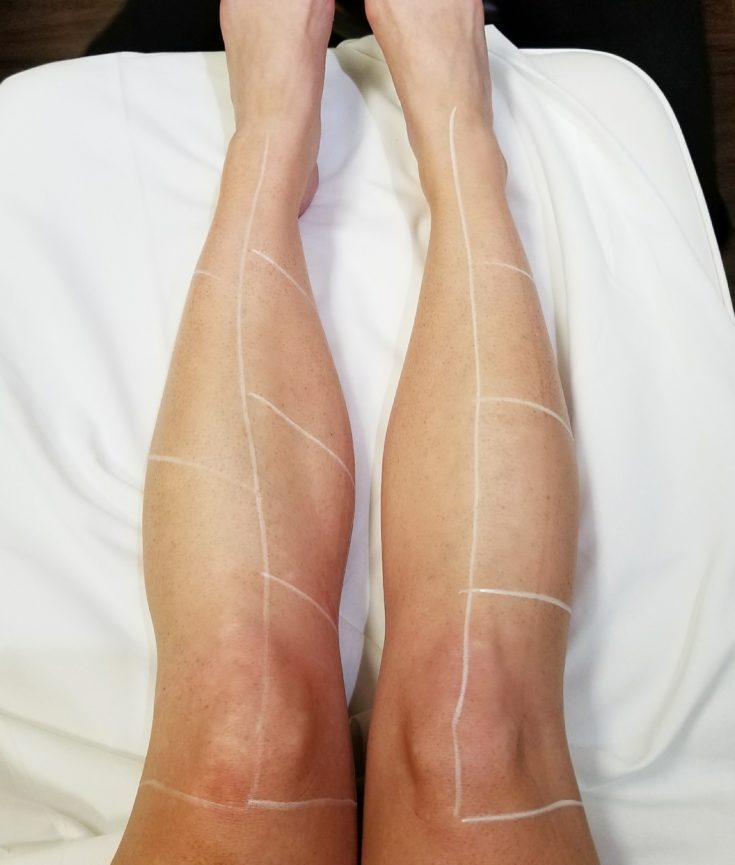
Many people believe laser hair removal is only effective for those with very dark hair and pale skin. That’s a common misconception. While this combination often yields the fastest results, advancements in laser technology have expanded its reach considerably. Modern systems can treat a much wider range of skin tones and hair colors, though effectiveness still varies. Understanding the science behind these treatments helps manage expectations and achieve the best outcomes.
Laser Hair Removal Isn’t Just for Dark Hair
The core principle of laser hair removal relies on targeting melanin, the pigment that gives hair its color. The laser emits a concentrated beam of light. This light is absorbed by the melanin in the hair follicle. The absorbed light converts to heat, damaging the follicle and inhibiting future hair growth. Because darker hair contains more melanin, it absorbs more laser energy. This is why darker hair on lighter skin was traditionally the ideal candidate.
However, technology has evolved. Newer laser types, like the Nd:YAG laser, operate at different wavelengths. These wavelengths penetrate deeper into the skin, bypassing surface melanin. This allows for safer and more effective treatment on darker skin tones, reducing the risk of pigment changes or burns. It’s not about avoiding melanin entirely, but about precisely controlling where the laser energy is deposited. This precision minimizes damage to surrounding skin while still targeting the follicle effectively.
How Laser Technology Targets Follicles
Lasers are engineered to emit specific wavelengths of light. Each wavelength has a different absorption profile. For hair removal, the goal is selective photothermolysis: heating the hair follicle without overheating the surrounding skin. The melanin in the hair acts as the chromophore, absorbing the light energy. Once absorbed, this energy translates into heat. This heat then damages the cells responsible for hair growth within the follicle. The damage is not always permanent, but it significantly reduces the follicle’s ability to produce new hair.
The Role of Wavelengths in Treatment
Different lasers use different wavelengths. An Alexandrite laser, for instance, uses a shorter wavelength (755 nm) that is highly absorbed by melanin. This makes it very effective for lighter skin types (Fitzpatrick I-III) and finer, darker hair. A Diode laser (810 nm) offers a medium penetration depth and is versatile for a broad range of skin and hair types, including some darker skin tones. The Nd:YAG laser (1064 nm) has the longest wavelength. It penetrates deepest, making it the safest option for darker skin (Fitzpatrick IV-VI) as it bypasses epidermal melanin more effectively, reducing the risk of hyperpigmentation.
Comparing Common Laser Types
Choosing the right laser depends heavily on individual skin tone, hair color, and hair thickness. Different laser systems offer varying benefits and suitability. Here’s a breakdown of the most common types you might encounter in professional settings. Each has a specific wavelength and melanin absorption profile, which dictates its ideal use case.
| Laser Type | Wavelength | Ideal Skin Type | Hair Color Suitability | Key Benefit |
|---|---|---|---|---|
| Alexandrite Laser | 755 nm | Light (Fitzpatrick I-III) | Dark, fine to coarse | Very effective for light skin; fast treatment areas |
| Diode Laser | 810 nm | Light to medium (Fitzpatrick I-IV) | Dark, medium to coarse | Versatile, good for various skin types; deep penetration |
| Nd:YAG Laser | 1064 nm | Darker (Fitzpatrick IV-VI) | Dark, coarse | Safest for dark skin; lower melanin absorption in epidermis |
The Candela GentleLase Pro, for example, is a well-known Alexandrite system. Lumenis LightSheer often incorporates Diode technology. Soprano ICE platforms frequently combine different wavelengths, including Diode and Nd:YAG, for a multi-faceted approach, allowing practitioners to treat a wider patient base more safely and effectively. The choice impacts both comfort during the session and the ultimate success of the treatment.
Alexandrite Laser
This laser targets melanin very aggressively. It’s often chosen for larger body areas due to its speed. However, its high melanin absorption means it carries a higher risk of burns or pigmentation changes on darker skin types. It’s excellent for those with fair skin and dark hair.
Diode Laser
Diode lasers are highly popular due to their balance of efficacy and safety. They offer good penetration depth, allowing them to target the follicle effectively without excessive surface heating. This makes them a solid choice for many individuals, bridging the gap between Alexandrite and Nd:YAG capabilities.
Nd:YAG Laser
The Nd:YAG laser is the gold standard for darker skin tones. Its longer wavelength penetrates deep enough to target the follicle while minimizing interaction with the melanin in the skin’s surface. This significantly reduces the risk of adverse effects like hypopigmentation (lightening of the skin) or hyperpigmentation (darkening of the skin).
Preparing for Your First Session
Proper preparation is crucial for effective and safe laser hair removal. Neglecting these steps can lead to suboptimal results, discomfort, or even skin irritation. Think of it as setting the stage for success. Your technician will provide specific instructions, but these general guidelines apply across the board.
Avoid Sun Exposure
Stay out of the sun for at least 2-4 weeks before your appointment. This includes tanning beds and self-tanning lotions. Tanned skin contains more melanin, which can absorb the laser light meant for your hair follicles. This increases the risk of burns, blistering, and pigmentation changes. Sunscreen with an SPF of 30 or higher should be applied diligently to any areas that will be treated, even on cloudy days.
Shave the Area
Shave the treatment area 12-24 hours before your session. The laser targets the pigment in the hair root, not the surface hair. Shaving removes the hair above the skin, preventing it from absorbing laser energy and causing surface burns. Do not wax, pluck, or use depilatory creams for at least 4-6 weeks prior. These methods remove the hair follicle entirely, leaving no target for the laser.
Skip Certain Skincare
Avoid using harsh skincare products or active ingredients like retinoids, alpha hydroxy acids (AHAs), or beta hydroxy acids (BHAs) on the treatment area for a few days before your session. These products can make your skin more sensitive to light and heat, increasing the risk of irritation. Also, ensure the skin is clean and free of makeup, lotions, and deodorants on the day of your appointment.
What Happens During a Session?
Stepping into a laser hair removal session can feel a bit daunting, but knowing the process helps. The typical appointment is straightforward. First, the technician will clean the treatment area. Then, they apply a cooling gel, which helps the laser glide smoothly and protects the skin. You’ll wear protective eyewear to shield your eyes from the intense laser light. The technician adjusts the laser settings based on your skin tone, hair color, and hair thickness. These settings are crucial for both effectiveness and safety, tailored specifically to your Fitzpatrick skin type and hair characteristics. They will test a small area first to ensure your skin reacts well.
Next, the laser handpiece moves across the skin. Each pulse feels like a quick snap or a rubber band flick. It’s fast. Most modern machines, like those from Cynosure or Soprano, incorporate cooling mechanisms. This can be a chilled tip, a blast of cold air, or a cryogen spray. These cooling systems are vital for comfort and to protect the epidermis from excessive heat. A session length varies significantly. A small area like the upper lip might take 5-10 minutes. Larger areas, such as full legs, could take an hour or more. Post-treatment, the technician might apply a soothing cream, like aloe vera or hydrocortisone, to calm any redness or mild swelling. This is normal and usually subsides within a few hours.
The Sensation of Treatment
Clients often describe the feeling as a series of quick, hot pinpricks. It’s certainly not painless, but it’s generally tolerable. The sensation is often likened to a rubber band snapping against the skin. Areas with thinner skin or denser hair, like the bikini line or upper lip, can be more sensitive. The cooling mechanisms on the laser machines are incredibly effective at minimizing discomfort. Some clinics also offer topical numbing creams, which can be applied an hour before the session, though most people find them unnecessary for standard treatments.
Post-Session Care and Side Effects
After your session, you might notice some redness, swelling, or a sensation similar to a mild sunburn. This is temporary and typically resolves within a few hours to a day. Applying cool compresses or aloe vera gel can help. Avoid hot showers, saunas, and intense exercise for 24-48 hours. Your skin will be more sensitive to the sun, so stringent sun protection is non-negotiable. Wear a broad-spectrum SPF 30+ daily. In rare cases, minor blistering, crusting, or temporary changes in skin pigmentation can occur, especially if post-care instructions aren’t followed or if settings were too aggressive. Always report any unusual reactions to your practitioner.
How Many Sessions Do You Really Need?
Why Multiple Sessions Are Necessary?
Laser hair removal works best on hair in its anagen (active growth) phase. At any given time, only about 10-30% of your hair follicles are in this phase. The laser effectively targets these active follicles. Follicles in other phases (catagen, telogen) are less responsive. Because hair grows in cycles, multiple sessions, typically spaced 4-8 weeks apart, are required to catch all hairs during their anagen phase. This staggered approach ensures that over time, a significant number of follicles are treated when they are most susceptible to the laser’s energy. Skipping sessions can disrupt this cycle, making the overall process less efficient and requiring more treatments in the long run.
What Factors Influence Treatment Duration?
The total number of sessions needed varies greatly from person to person. Generally, 6-8 sessions are recommended for significant reduction, but some individuals may need more. Factors influencing this include:
- Hair Color and Thickness: Darker, coarser hair responds better and faster due to higher melanin content.
- Skin Tone: Lighter skin with dark hair is often quickest to treat. Darker skin tones require more cautious settings and potentially more sessions.
- Treatment Area: Hormonally sensitive areas like the face or bikini line often require more sessions than areas like the lower legs.
- Hormonal Factors: Conditions like PCOS (Polycystic Ovary Syndrome) or hormonal fluctuations can stimulate new hair growth, necessitating more maintenance sessions.
- Individual Response: Everyone’s body responds differently to the laser. Some individuals have very stubborn hair follicles that resist treatment more than others.
Permanent Reduction, Not Permanent Removal
It’s vital to understand the distinction. Laser hair removal offers permanent *reduction* of hair, not necessarily permanent *removal*. The FDA clears devices for “permanent hair reduction,” meaning a long-term stable reduction in the number of regrowing hairs after a treatment regimen. Many people achieve 70-90% reduction, but some fine, lighter hairs might persist or new follicles might activate over time due to hormonal changes. Maintenance sessions, typically once a year, can address any new growth.
Is Laser Hair Removal Right for You?
Deciding on laser hair removal involves more than just wanting less hair. It’s an investment of time and money that requires realistic expectations. Understanding your individual suitability and potential outcomes is key to satisfaction. Many people find the convenience and confidence gained from significantly reduced hair growth well worth the process.
Ultimately, a consultation with a qualified technician or dermatologist is the best first step. They can assess your specific hair and skin characteristics. They’ll also discuss your medical history to ensure there are no contraindications. Conditions like pregnancy, certain medications that cause photosensitivity, or active skin infections can prevent treatment. This initial assessment helps determine the most effective laser type and treatment plan for you. It ensures you go into the process informed, confident, and ready for long-lasting smoothness.
Assessing Your Skin and Hair Type
The success of laser hair removal hinges on accurately matching the laser technology to your skin and hair profile. Dark, coarse hair on fair skin is typically the easiest to treat. This contrast allows the laser to precisely target the melanin in the hair follicle without affecting the surrounding skin. For darker skin tones, the Nd:YAG laser is usually recommended because its longer wavelength minimizes the risk of hyperpigmentation or hypopigmentation. Fine or light-colored hair (red, blonde, grey) contains insufficient melanin to absorb the laser energy effectively, making it a poor candidate for treatment regardless of skin tone.
Cost Versus Long-Term Benefits
The upfront cost of laser hair removal can seem significant. Prices vary widely based on the treatment area, the number of sessions, and the clinic’s location. A full course of treatment for a large area like the legs can range from $1,500 to $4,000 or more. However, consider the long-term savings. The recurring costs of waxing, shaving creams, razors, and ingrown hair treatments add up over years. Laser hair removal, despite its initial expense, offers a long-term solution that often outweighs these ongoing costs, providing convenience and freedom from daily hair removal routines.