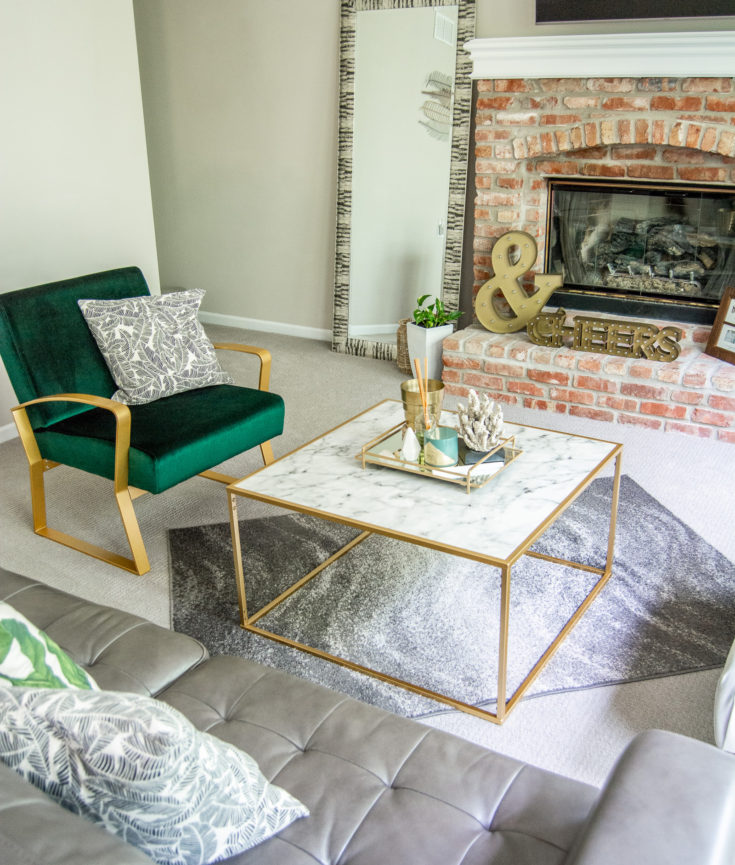
Scrolling through social media, it’s easy to feel like everyone else lives in a perfectly curated, perpetually tidy living room. Every cushion fluffed, every book perfectly aligned, every surface gleaming. These are the ‘living room tours’ that flood our feeds, offering endless aesthetic inspiration. But here’s the quiet truth: those picture-perfect spaces often hide the real design struggles most of us face. What happens when your room isn’t a blank canvas? What about the daily chaos of kids, pets, or work-from-home setups? The glossy photos rarely show the trade-offs, the budget constraints, or the sheer effort behind balancing beauty with actual, messy life.
We’re not here to debunk inspiration, but to get real about what it takes to create a living room that not only looks good but genuinely works for you. It’s about peeling back the layers to understand the decisions, the compromises, and the smart solutions that transform a challenging space into a comfortable, functional, and stylish sanctuary.
Beyond the Showroom Floor: What Functionality Really Means
When you see a stunning sofa in a store, it’s often positioned purely for visual appeal. Its depth, fabric, and arm height might look great, but how does it perform after an hour of reading? What about a movie night with the family? True functionality goes deeper than surface aesthetics. It considers ergonomics, durability, and adaptability, ensuring your furniture serves your lifestyle rather than dictating it.
A living room isn’t just for looking at; it’s for living in. This means choosing pieces that support your daily activities. Consider the flow of traffic, the primary uses of the room, and the people (and pets) who share it. Investing in pieces that stand up to real life means fewer headaches and more enjoyment in the long run. It’s a pragmatic approach to design that prioritizes comfort and resilience without sacrificing style.
Ergonomics for Daily Use
Ergonomics in a living room might sound like an office concept, but it’s crucial. A sofa like the Arhaus Kipton Sectional (often starting around $3,000 for a basic configuration) offers deep seating and supportive cushions, designed for lounging. In contrast, a mid-century modern sofa like the West Elm Harmony Sofa (around $1,500-$2,500) might have a shallower seat and firmer back, better for upright conversation. The ideal seat depth typically ranges from 20 to 24 inches for comfortable lounging. Armrest height also matters; it should be comfortable for resting an arm or holding a book. Before buying, always test a piece of furniture for at least 10-15 minutes. Pay attention to how your body feels: is your back supported? Are your feet flat on the floor or comfortably propped? These small details make a huge difference in daily comfort.
Pet & Kid-Proofing Choices
Life with pets and kids demands materials that can take a beating and clean up easily. Performance fabrics, for instance, are a . Brands like Crypton and Sunbrella offer textiles resistant to stains, spills, and fading. For a sofa, choosing a fabric blend with a high rub count (often indicated by ‘double rubs’ – anything over 15,000 is good for residential use) means it will stand up to heavy wear. For rugs, consider washable options like those from Ruggable (starting around $200 for a 5×7 rug), which can be tossed directly into a washing machine. Alternatively, low-pile wool rugs are naturally stain-resistant and durable. Leather, while more expensive initially, can also be incredibly durable and develops a beautiful patina over time, provided it’s properly maintained. For tables, choose solid wood or metal over delicate glass if spills and bumps are a frequent occurrence.
Smart Storage Solutions
Clutter is the enemy of calm, especially in a living room that serves multiple purposes. Smart storage isn’t just about hiding things; it’s about making them accessible when needed and invisible when not. Modular shelving units, like the versatile IKEA KALLAX series (starting at $35 for a small unit), can be customized with baskets, drawers, and doors to conceal toys, electronics, or paperwork. Media consoles from brands like Pottery Barn (large units often $1,500+) frequently include integrated cable management and ample drawer space. For smaller items, consider ottomans with hidden storage or coffee tables with lift-tops that reveal compartments. Vertical storage is often overlooked; tall, narrow bookshelves can maximize space without overwhelming a room, especially when balanced with open and closed sections to prevent a cluttered appearance.
The Art of the Awkward Layout: Strategies for Tricky Spaces
Many living rooms present unique architectural challenges. Maybe your fireplace is off-center, or a doorway interrupts what should be a solid wall. Perhaps it’s an open-plan concept with no clear boundaries, or a small room that feels cramped no matter what you do. Instead of fighting these quirks, the savvy designer learns to work with them, turning perceived flaws into unique features. It’s about understanding spatial dynamics and employing clever tricks to create harmony and a sense of purpose within the room.
Ignoring an awkward layout only magnifies the problem, leading to furniture that feels out of place or zones that lack definition. The key is to assess the room’s natural flow and identify its inherent strengths and weaknesses. Once you understand these, you can apply specific strategies to guide the eye, delineate areas, and make the space feel intentionally designed, not just filled.
Zoning Open-Plan Living
Open-plan living is great for flow, but it can make a large space feel undefined. The trick is to create ‘rooms within a room’ using furniture. A large area rug (minimum 8×10 feet, ideally 9×12 feet for most living rooms) is the most powerful tool for defining a seating area. Place all front legs of your main seating pieces (sofas, armchairs) on the rug, or ideally, have all furniture entirely on it. This grounds the space. Bookcases or console tables placed perpendicular to a wall can also act as soft dividers, separating the living area from a dining space or entryway. Even a tall plant or a statement floor lamp can subtly mark a boundary without physically blocking the view. The goal is visual separation, not outright obstruction, maintaining the open feel while adding structure.
Furniture Placement for Flow
Always start by placing your largest furniture pieces first. The sofa typically dictates the room’s main axis. Don’t push everything against the walls; pulling furniture even a few inches away from the perimeter can make a room feel larger and more inviting, allowing air to circulate. Create clear pathways – aim for at least 3 feet (about 90 cm) for main thoroughfares and 18-24 inches (45-60 cm) between a sofa and coffee table. If you have an off-center fireplace, balance it by placing a large piece of art or a tall plant on the opposite side of the room. In smaller rooms, consider apartment-sized furniture with slimmer profiles, or even pieces like benches and ottomans that can serve multiple functions (seating, footrest, side table). The goal is to optimize movement and avoid bottlenecks, making the room feel effortless to navigate.
Optical Illusions with Light & Mirrors
Mirrors are a designer’s secret weapon for making a room feel larger and brighter. A large mirror placed opposite a window will reflect natural light, instantly expanding the visual space and boosting brightness. For a small room, consider a gallery wall of mirrors or a floor-length mirror leaning against a wall. Lighting also plays a critical role. Avoid a single overhead light source, which can create harsh shadows and make a room feel flat. Instead, layer your lighting (ambient, task, accent) to add depth and warmth. Strategic placement of lamps can highlight corners, draw attention to artwork, or simply create a cozy glow that distracts from less ideal architectural features. The interplay of light and reflection can truly transform how a room is perceived.
Lighting Layers: A Comparison of Mood vs. Task
Good lighting is often an afterthought in living room design, yet it’s one of the most impactful elements. It shapes mood, enhances functionality, and highlights your decor. Relying on a single overhead light is a common mistake, leading to a flat, uninviting space. A layered lighting scheme, on the other hand, considers three distinct types of light: ambient, task, and accent. Each serves a specific purpose, and together they create a dynamic, adaptable environment for any occasion.
Understanding the interplay between these lighting types is key to a well-designed living room. Ambient light provides the overall illumination, task lighting supports specific activities, and accent lighting adds drama and highlights features. Getting this balance right can transform a room from merely lit to truly atmospheric and highly functional.
Ambient Lighting Essentials
Ambient lighting provides the general illumination for a room, setting the overall brightness. This often comes from recessed lights, track lighting, or a central overhead fixture. For a timeless and sculptural ambient fixture, the Louis Poulsen PH 5 Pendant (often $1,000+) distributes light both upwards and downwards, creating a soft, glare-free glow. Floor lamps, like a classic arc lamp, can also contribute significantly to ambient light, especially if they direct light upwards to bounce off the ceiling, making a room feel larger. The key is to distribute ambient light evenly throughout the room, avoiding dark corners that can make a space feel smaller or gloomy. Dimmers are crucial here, allowing you to adjust the intensity to suit different times of day or activities.
Task Lighting for Specific Activities
Task lighting is focused illumination for specific activities like reading, knitting, or working on a laptop. It should be bright enough to prevent eye strain without creating harsh glare. A good reading lamp, such as the adjustable Artemide Tolomeo Mega Floor Lamp (around $1,000), should be placed beside or slightly behind your reading chair, with its light source directed at your page. Table lamps on end tables also serve as excellent task lighting. The height is important: the bottom of the lampshade should be roughly at eye level when you’re seated, preventing direct glare. Consider lamps with opaque shades that direct light downwards for focused work, or translucent shades that offer a softer glow while still providing enough light for the task at hand.
Accent Lighting for Drama
Accent lighting adds drama and highlights specific architectural features, artwork, or decorative objects. It’s often 2-3 times brighter than the ambient light in that particular area. Think picture lights above artwork, small spotlights focused on a sculpture, or strip lighting inside a display cabinet. Even a strategically placed table lamp from a brand like Target’s Threshold line (around $30-$70) with a unique base or shade can serve as an accent, drawing the eye to a specific corner or surface. The goal of accent lighting is to create visual interest and layers, adding depth and personality to your living room. It’s less about illuminating the whole room and more about painting with light, creating focal points and a sense of atmosphere.
| Lighting Type | Primary Purpose | Typical Fixtures | Ideal Wattage/Lumen (Approx.) |
|---|---|---|---|
| Ambient | Overall illumination, sets mood | Recessed lights, ceiling fixtures, floor lamps, wall sconces | 60-100W equivalent LED (800-1600 lumens) |
| Task | Focused light for activities (reading, hobbies) | Table lamps, desk lamps, swing-arm lamps | 40-60W equivalent LED (450-800 lumens) |
| Accent | Highlights features, adds drama | Picture lights, spotlights, display cabinet lighting | 20-40W equivalent LED (200-450 lumens) |
The Unsung Hero: Rugs and Their Impact
Forget the throw pillows; if there’s one single element that can instantly transform a living room, it’s the rug. It anchors the space, defines zones, adds warmth, dampens sound, and introduces texture and color in a way few other items can. A good rug isn’t just decor; it’s a foundational piece that dictates the room’s character and comfort.
The Bold Truth About Open Shelving: It’s Not For Everyone
Here’s a strong opinion: open shelving, while undeniably stylish in magazine spreads, is often a source of quiet frustration in real homes. The allure of beautifully styled vignettes is powerful, but the reality of maintaining that aesthetic day-to-day, especially in a living room, is a continuous battle for many. It’s a design choice that demands commitment to curation and cleanliness, and without it, open shelves quickly shift from elegant displays to dusty clutter magnets. For many households, the practical trade-offs simply don’t justify the aesthetic. A closed storage solution provides far more utility and peace of mind.
The Reality of Dust and Disorder
Those perfectly arranged books and decorative objects on open shelves? They are magnets for dust. Keeping them looking pristine requires regular, often weekly, dusting, which quickly becomes a chore. Furthermore, open shelving exposes every item to view. This means every piece needs to be intentionally placed and aesthetically pleasing. There’s no hiding a mismatched collection of board games, unruly cables, or half-read paperbacks. What starts as an aspirational display can quickly devolve into visual noise, making the entire room feel less serene and more chaotic. The mental load of constant tidying can outweigh any perceived aesthetic benefits.
Smart Alternatives to Open Displays
If the thought of constant dusting and relentless curation doesn’t appeal, consider alternatives that offer both style and practicality. Glass-front cabinets, like those found in the IKEA BILLY bookcase series (with optional glass doors, starting around $90), allow you to display cherished items while protecting them from dust. They offer the visual lightness of open shelves but with a crucial barrier. Built-in cabinetry, while a larger investment, provides seamless integration and the ultimate blend of open and closed storage, allowing you to choose what to display and what to conceal. Even a well-designed media console with a mix of drawers and closed cupboards, such as those from Crate & Barrel (often $800-$2,000+), can provide ample storage without the pressure of constant styling. These solutions offer a reprieve from the relentless demands of open display.
Curating Meaningful Vignettes
If you love the idea of displaying personal items but want to avoid clutter, focus on creating small, meaningful vignettes rather than extensive open shelving. A single, well-styled coffee table with a few chosen books and a sculptural object, or a console table featuring a collection of cherished vases, can make a powerful statement. The key is restraint. Select only items that are truly beautiful, sentimental, or functional. Group objects in odd numbers (threes or fives) for visual appeal, and vary their heights and textures. Think of brands like Hay Design for small, modern accessories that can elevate a vignette. Rotate your displays seasonally or when you acquire new pieces to keep them fresh and interesting. This approach allows for personal expression without the overwhelming commitment of full-scale open shelving.
Navigating the Budget Minefield: Where to Splurge, Where to Save
Designing a living room that feels cohesive and high-quality often seems like a luxury reserved for those with unlimited budgets. The truth is, thoughtful budgeting is less about deprivation and more about strategic allocation. It involves identifying the pieces that will deliver the most impact for your investment and knowing where you can responsibly cut back without sacrificing style or durability. It’s a delicate balance, but one that can be mastered with a clear understanding of priorities and a willingness to explore different retail avenues.
Every living room project has a budget, whether it’s explicitly stated or implicitly understood. The challenge isn’t just about spending less; it’s about spending smart. By understanding which items are long-term investments and which can be more transient, you can achieve a sophisticated look and comfortable feel without emptying your wallet. This approach ensures that your money goes furthest, supporting both immediate needs and future aspirations.
What items warrant a higher investment?
When it comes to the living room, a few key pieces truly justify a higher investment. The sofa, without question, is at the top of this list. It’s the central piece of furniture, sees the most use, and directly impacts comfort. Investing in a quality sofa, perhaps from a brand like Room & Board (many sofas starting at $2,000+), ensures better construction, more durable fabric, and lasting comfort. A well-made rug, especially a wool or hand-knotted piece from a reputable vendor like Jaipur Living (starting around $800 for an 8×10), is another smart splurge. It anchors the room, provides insulation, and lasts for decades. Finally, consider statement lighting. An iconic pendant or a sculptural floor lamp can elevate the entire room’s aesthetic and provide superior illumination. These pieces serve as the foundational elements of your design, so their quality directly impacts the overall feel and longevity of your space.
Where can I find quality on a tighter budget?
While some items demand an investment, there are plenty of areas where you can save without compromising style. Accent furniture, such as side tables or smaller ottomans, can often be sourced affordably from retailers like Target, HomeGoods, or even second-hand stores. Look for solid construction and simple designs that can be easily integrated. Decorative accessories like throw pillows, blankets, and small decor objects are perfect for budget-conscious updates; they can be changed frequently to refresh the room’s look without significant expense. Artwork, too, doesn’t need to be high-end; consider prints, local artists, or even DIY projects. For general storage, modular systems like IKEA’s offerings provide immense value. The trick is to focus on clean lines and good proportions, allowing more expensive, foundational pieces to shine while the budget-friendly elements support the overall aesthetic.
How do I future-proof my purchases?
Future-proofing your living room means making choices that will remain relevant and adaptable as your style evolves or as you move to new homes. Start with a neutral base for your largest, most expensive items – think a gray, beige, or off-white sofa. This allows you to introduce color and personality through easily changeable elements like pillows, throws, and artwork. Opt for classic, timeless furniture silhouettes over trendy ones. A clean-lined console table will outlast a highly specific, trend-driven piece. Choose durable materials like solid wood, metal, and performance fabrics, which stand the test of time both aesthetically and functionally. When considering brands, research their reputation for quality and customer service. A modular sofa, for example, from a company like Burrow (sectionals often start around $2,000), can be reconfigured as your needs change, offering built-in adaptability. The goal is to create a versatile foundation that can be easily updated and loved for years to come.